
Founded in 1720, the first Maison de Bourgogne welcomes visitors this season with a series of experiences ranging from a self-guided tasting across from the Hospices to a custom-designed meal in Cuve 17. In between, 306 years of continuity that cannot be explained by wine alone.
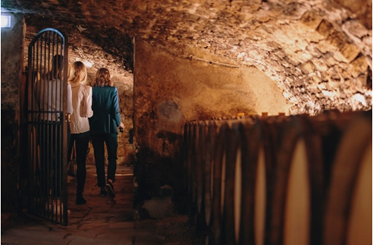
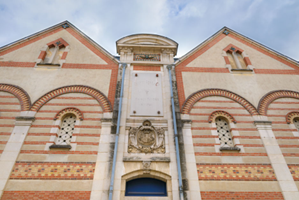
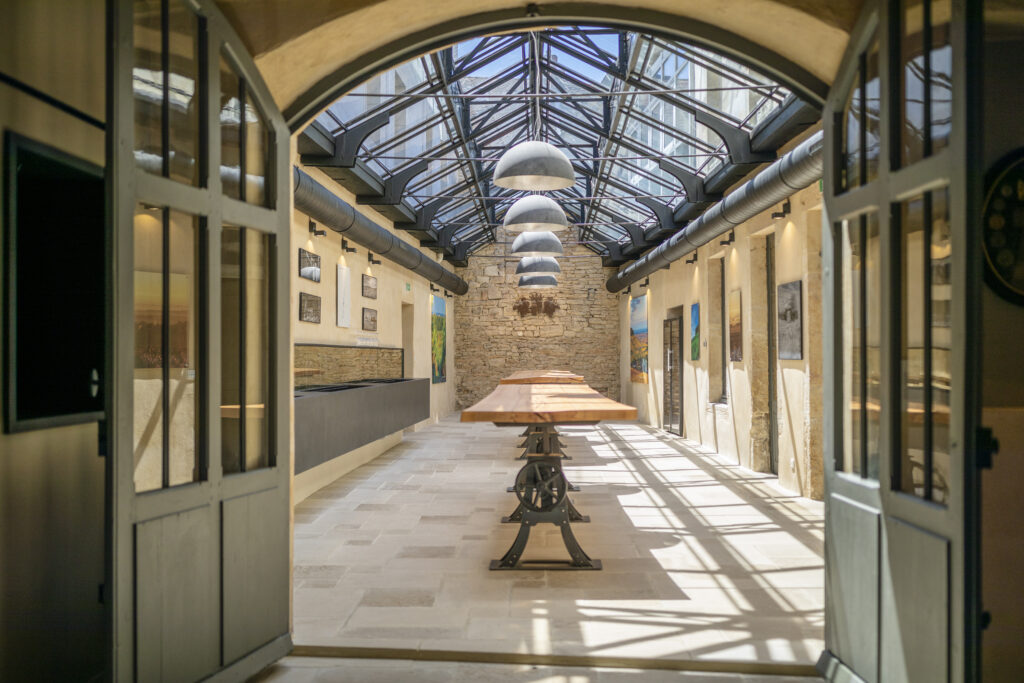
There is something unusual about the fact that Maison Champy is still there. Not in a sentimental sense—Burgundy is full of dates carved into the limestone—but in a strictly technical sense: the 15th-century cellars that housed the winemaking operations in 1720 still house the entire winemaking process today. The architecture, inspired by the Eiffel school, has not been converted into a boutique hotel. It’s still in operation. Dimitri Bazas, a winemaker and technical director for over twenty-five years, oversees the blending processes from these vaulted cellars for a winery that has held the “Entreprise du Patrimoine Vivant” designation since 2021—a distinction reserved for French companies whose artisanal expertise is deemed to be of the highest caliber.
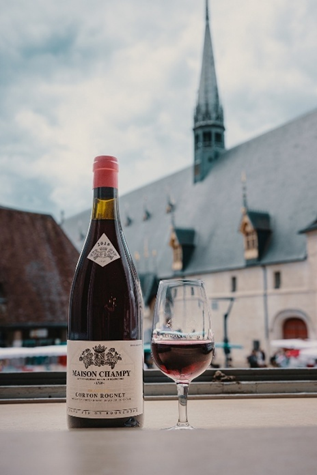
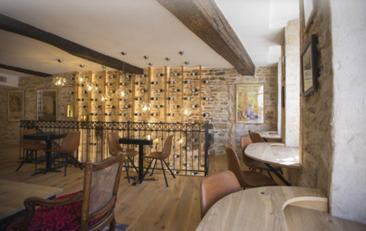
The shop itself is located across from the Hospices de Beaune, on Place de la Halle. The location is no coincidence: it is here that, every November, at the Hospices auction, a portion of the psychological price of Burgundy wines worldwide is determined. Champy watches it all from his tasting counter.
What the cellars contain
Maison Champy’s wine-tasting experience is structured around a progressive exploration that, in essence, mirrors the hierarchy of Burgundy appellations. At the entrance: a self-guided tasting of three wines, lasting 30 to 45 minutes, for 16 euros, no reservation required, Tuesday through Saturday. This is the “Village” level of the experience—accessible, straightforward, and unpretentious.
The Premier Cru option for the tour is the Terroir tasting: five wines, including one Premier Cru, lasting an hour and a half, for twenty-five euros, held in the cellars. The Prestige tasting costs fifty-five euros and includes a Grand Cru. Next comes the immersive tour of areas usually closed to the public—150 euros, an hour and a half, featuring a tasting straight from the barrel and three Grands Crus by the glass. The price increase mirrors the increase in depth—both literally and geographically.
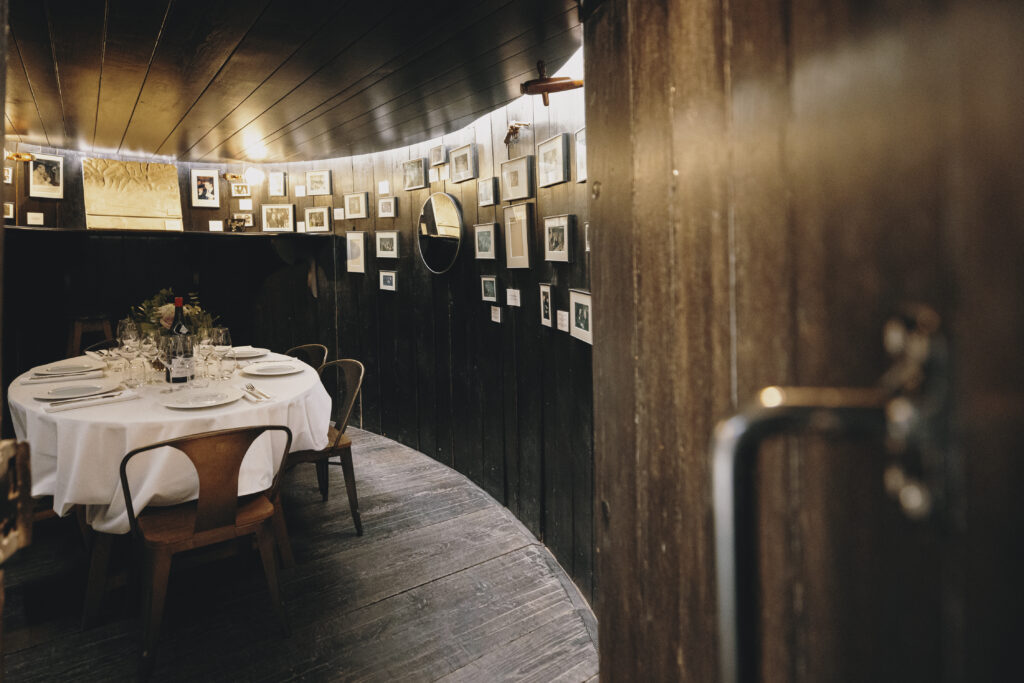
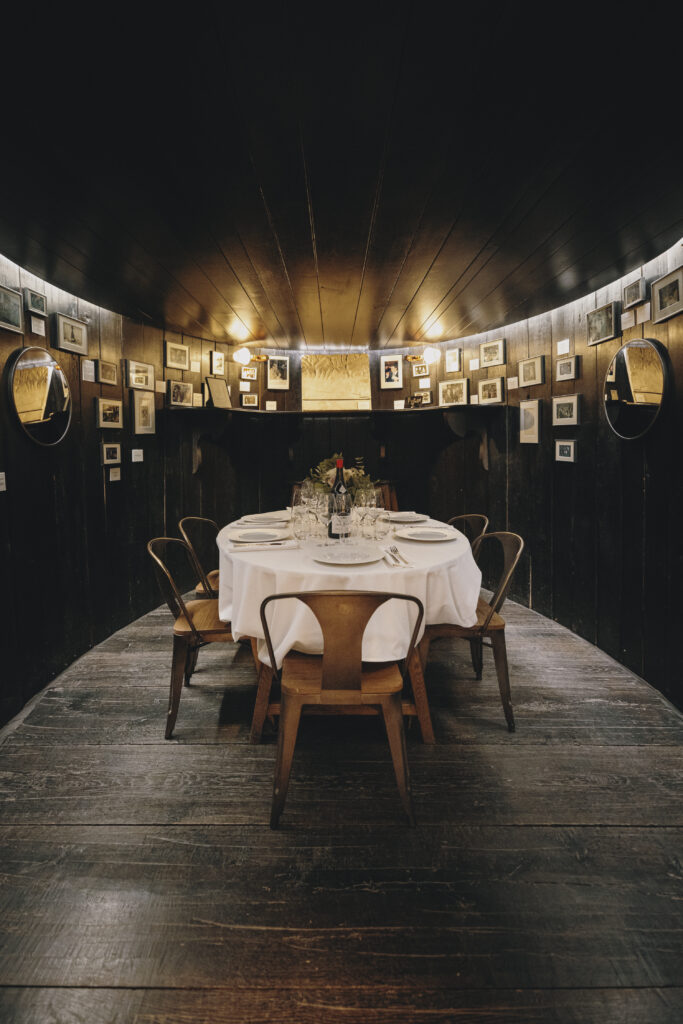
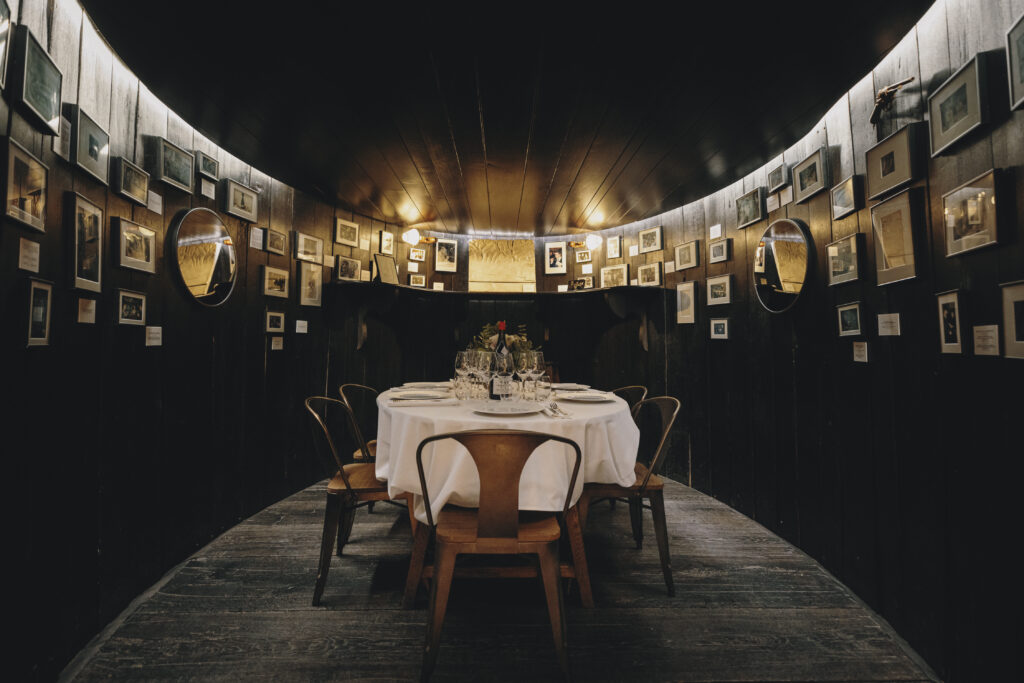
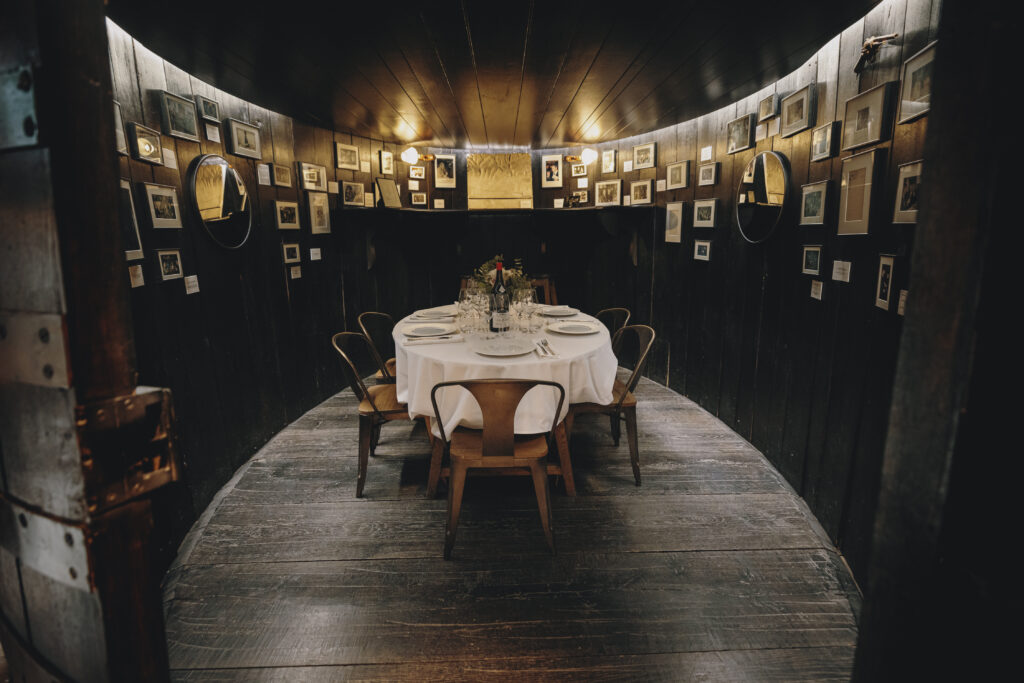
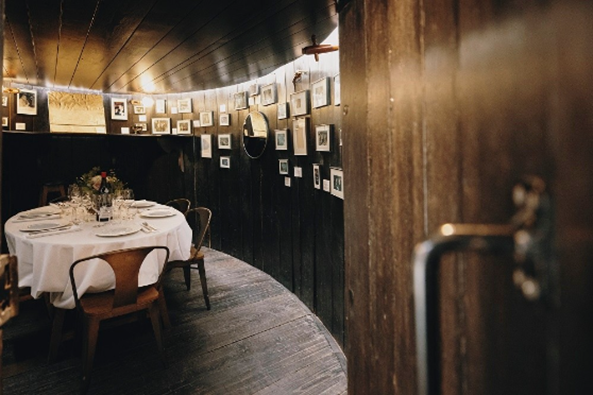
At the heart of this experience is Cuve 17: a former maceration vat converted into a custom-designed dining room. Minimum of six guests. Two and a half to three hours. From 115 to 245 euros per person, depending on the package—Terroir, Prestige, or Grand Cru. The menu is sent in advance and served to the entire table. This is no longer a wine tasting enhanced by a meal; it is a space in its own right, where the raw materials—steel, concrete, and traces of old wine on the walls—form the setting for the dining experience.
The two Edme vintages
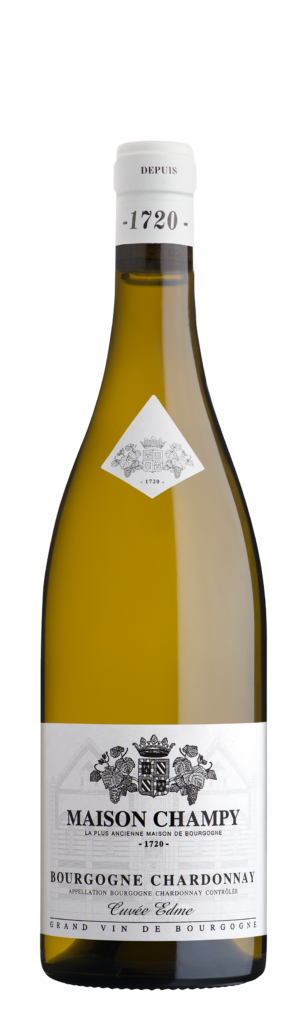
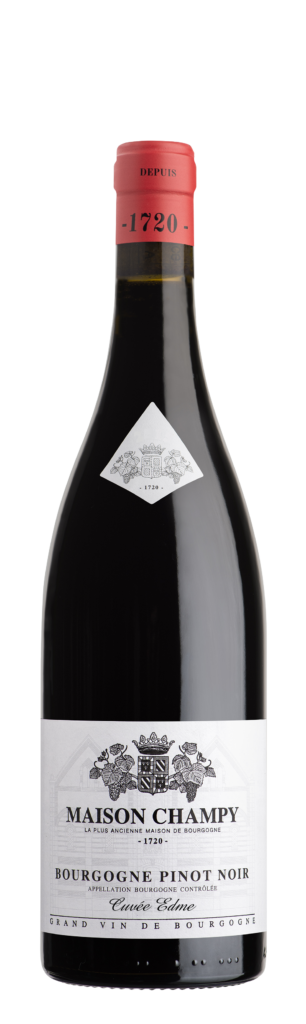
Cuvée Edme: Technical Information
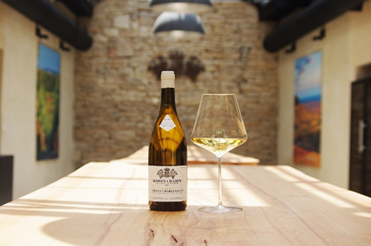
Burgundy Chardonnay 2023 — 100% Chardonnay. Blend of Côte d’Or and Côte Chalonnaise. Clay-limestone soil. Natural yeasts. Full malolactic fermentation. Aged for 10 months: 25% in oak barrels, 75% in stainless steel tanks. Bottled on a “fruit day” according to the biodynamic calendar. 13.5% ABV. Aging potential: 4 to 6 years. Serving temperature: 12–15°C.
Burgundy Pinot Noir 2024 — 100% Pinot Noir. A blend of 200 barrels (228-liter barrels), fifty of which come from the vineyards of Volnay and Ladoix, supplemented by grapes from the Côte Chalonnaise. Hand-harvested, natural yeasts. Aged for 12 months: 25% in oak barrels, 75% in stainless steel tanks. 2024 vintage: early frost, heavy rains, harvest from September 10 to 25. Aging potential: 4 to 6 years. Serving temperature: 15–16°C.
Both cuvées are named after Edme Champy, founder of the estate in 1720. Suggested retail price: €25 each.
These two wines occupy a deliberately paradoxical position in the lineup: regional Burgundies—the entry level in the appellation hierarchy—produced according to the same protocols as the estate’s crus. Natural yeasts, full malolactic fermentation, partial aging in wood, and biodynamic bottling for the Chardonnay. The technical sheet makes no secret of the ambition: to bring the rigor of a terroir wine to a generic appellation.
The 2024 vintage for Pinot Noir warrants close attention. Burgundy experienced challenging weather that year—heavy rains, early frost during flowering, and reduced yields. The harvest took place under favorable conditions over a fifteen-day period, from September 10 to 25. This type of year demands careful selection both in the vineyard and in the cellar: the blend of 200 cases, only fifty of which came from the House’s own vineyards (Volnay, Ladoix), reflects a commitment to quality rather than a focus on volume.
The wine tourism shop also offers a Wine & Cheese Tasting on Saturday mornings at 11 a.m., featuring three wines from the estate paired with cheeses from Alain Hess—25 euros, one hour, by reservation. This detail, seemingly modest, says something about how Champy views his region: “the cheesemaker” is not a generic term—it’s a name.
It is this attention to detail—in the partners, the formats, and the range of cellars—that distinguishes a hospitality concept built around a real location from a tourist offering tacked on afterward. Maison Champy didn’t have to invent its own story to turn it into an experience. It simply had to decide how far it wanted to let people in.
Cette publication est également disponible en :

