
For a long time, Monaco embodied the very essence of the street Grand Prix—a race that went far beyond the sport itself to become a social stage where international tycoons, watchmakers, industrialists, and entertainment figures came together.
Today, Las Vegas is continuing this tradition, but on an American scale.
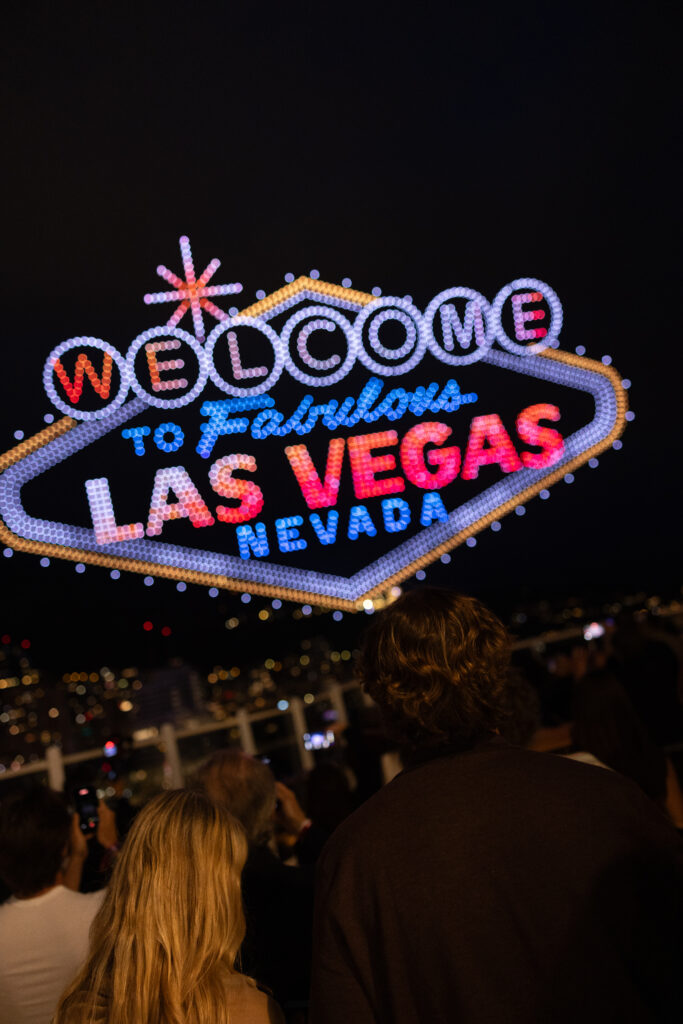
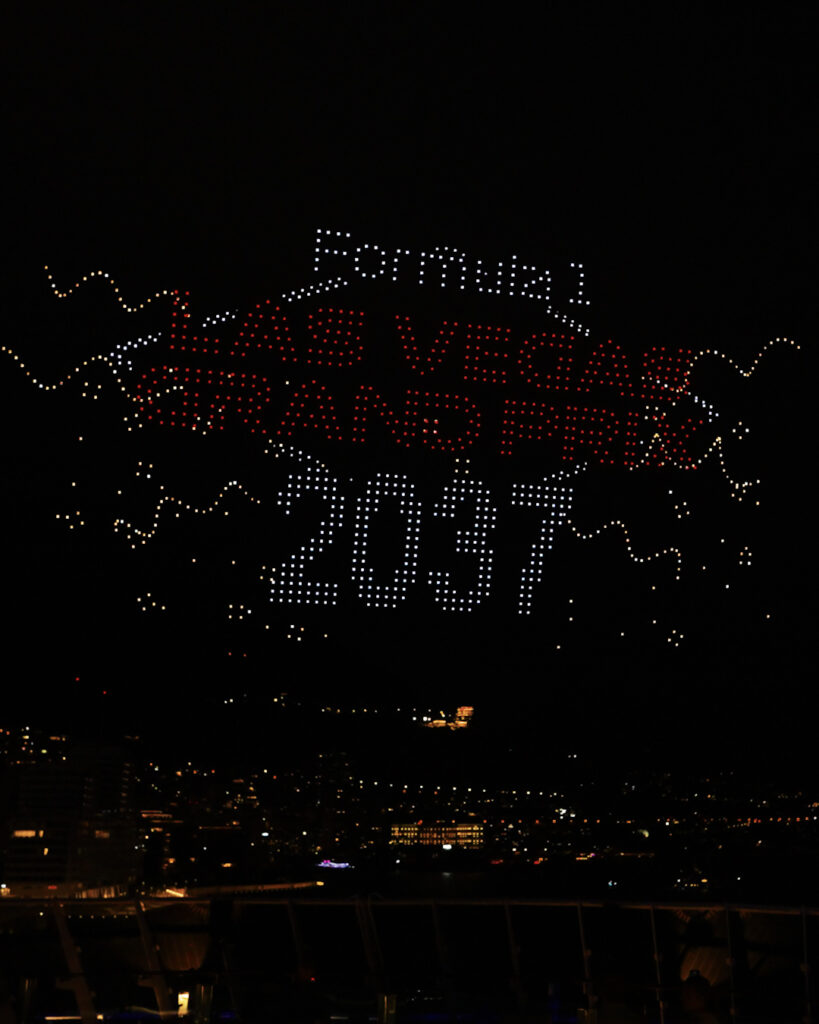
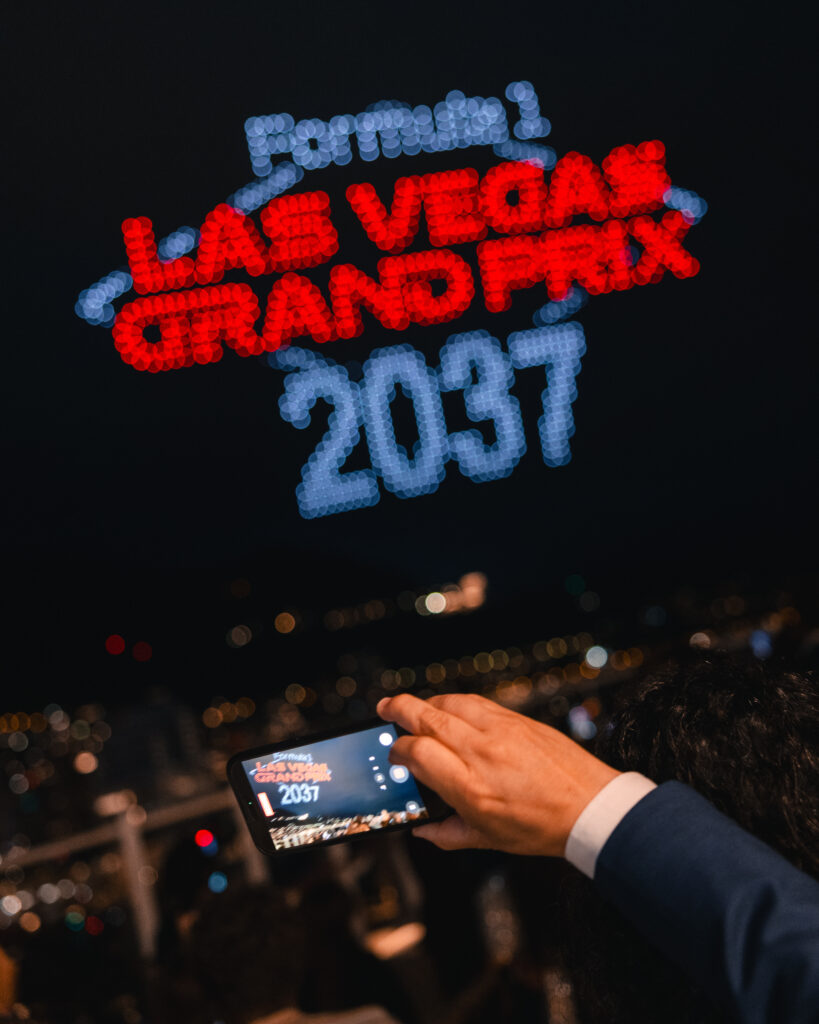
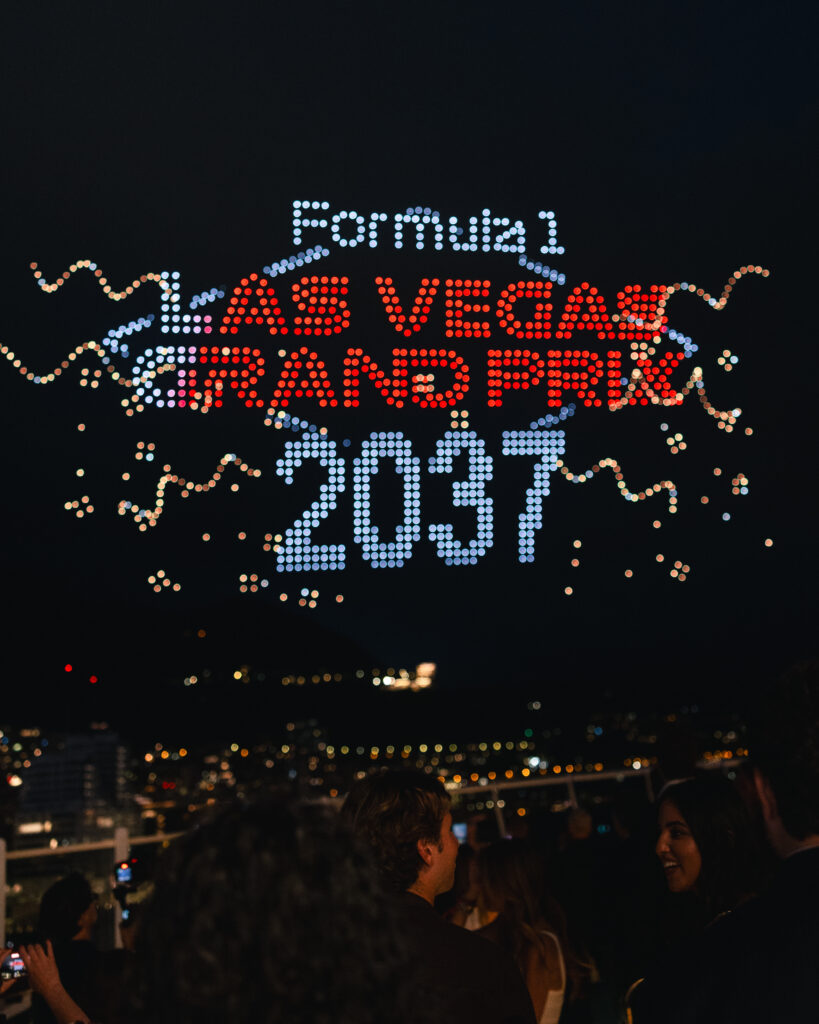
The announcement that the Grand Prix will continue through 2037 confirms not so much the success of a race as that of a business model. Since its addition to the calendar in 2023, the event has reportedly generated $3.2 billion in cumulative economic impact for southern Nevada. The first three editions were sold out and helped reposition the city as one of the championship’s major destinations. In 2025, the event also generated $43 million in local and state tax revenue.
These figures reflect a profound evolution in contemporary Formula 1.
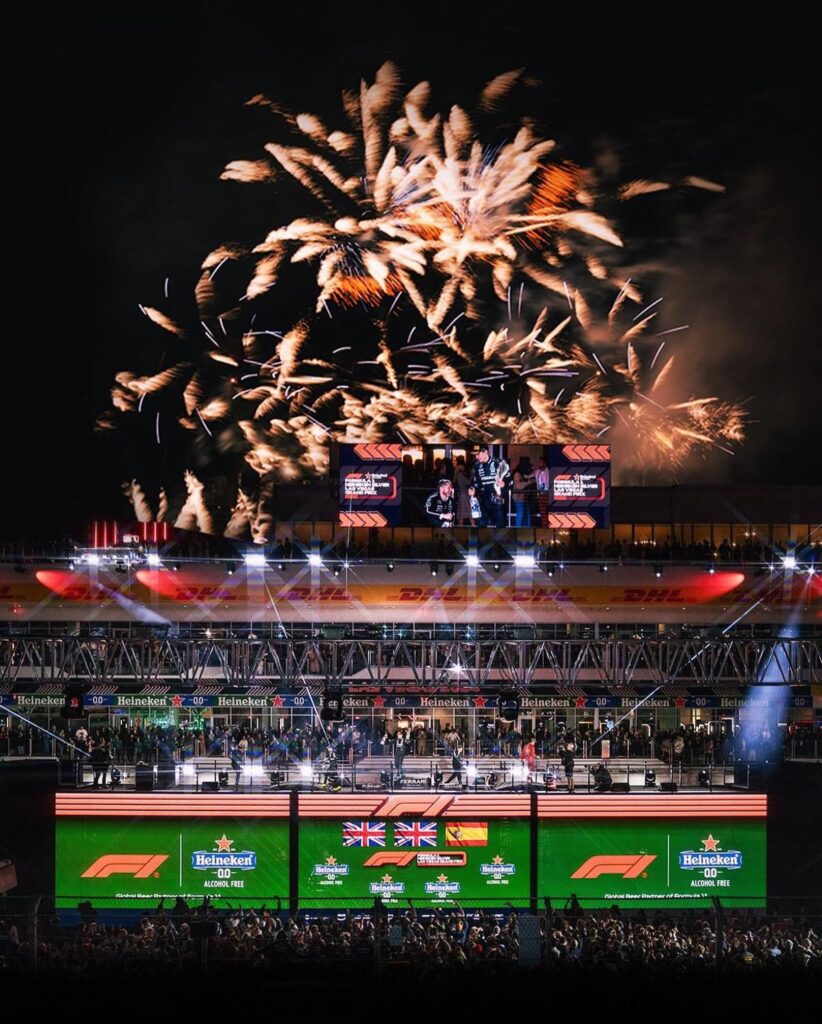
Under the leadership of Liberty Media, which has owned the series since 2017, the championship no longer sells just sports rights. It markets a comprehensive cultural experience. Miami, Singapore, Abu Dhabi, and Las Vegas all follow the same logic: transforming a Grand Prix into an entertainment platform capable of simultaneously attracting investors, hotel chains, artists, business leaders, and international audiences.
Las Vegas is likely the most successful example of this strategy.
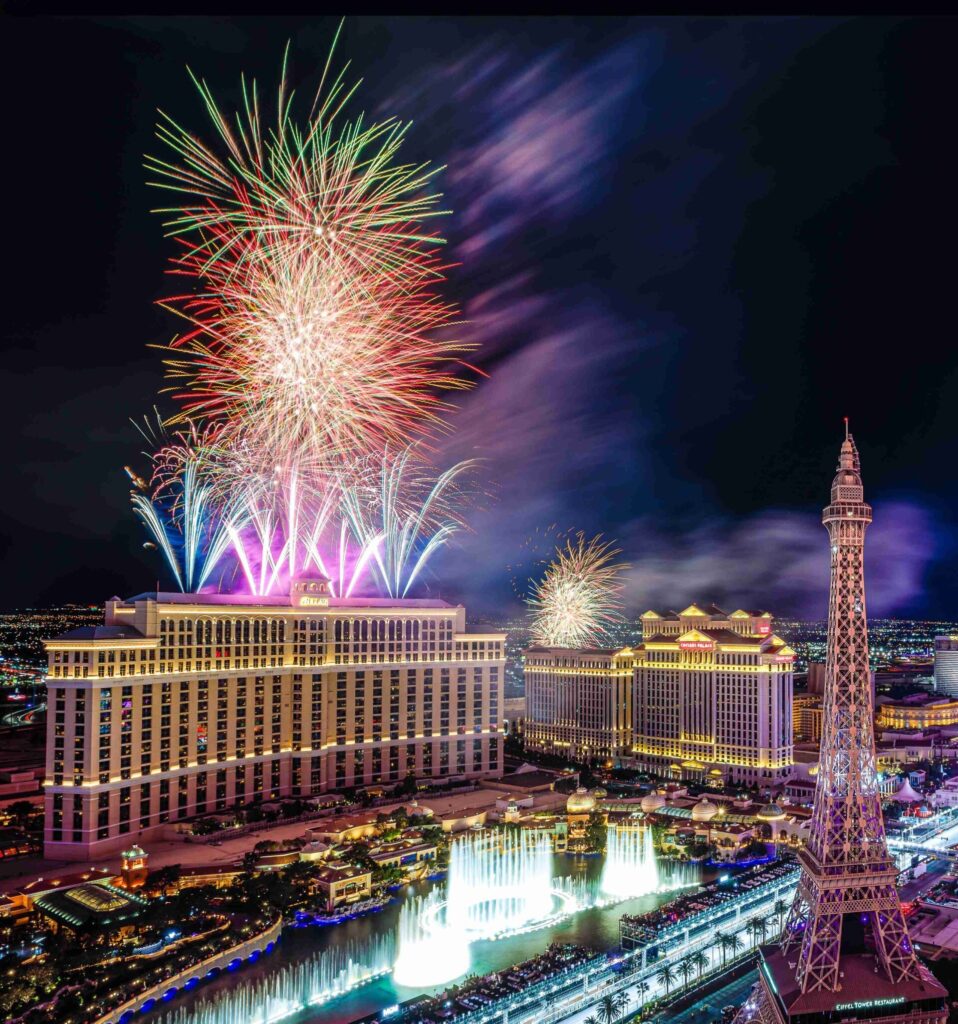
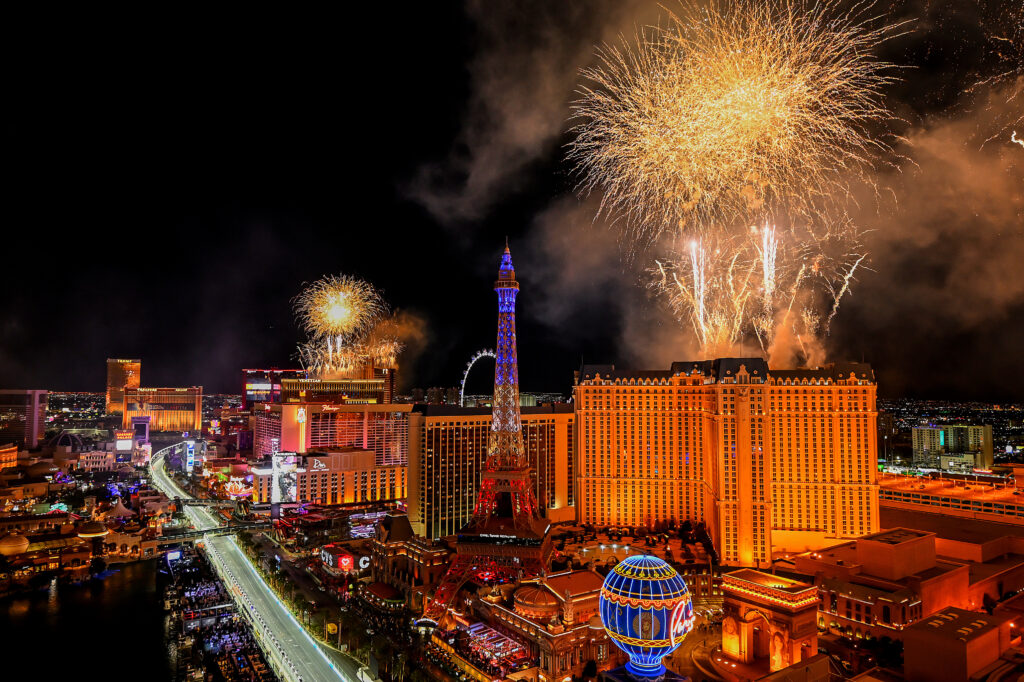
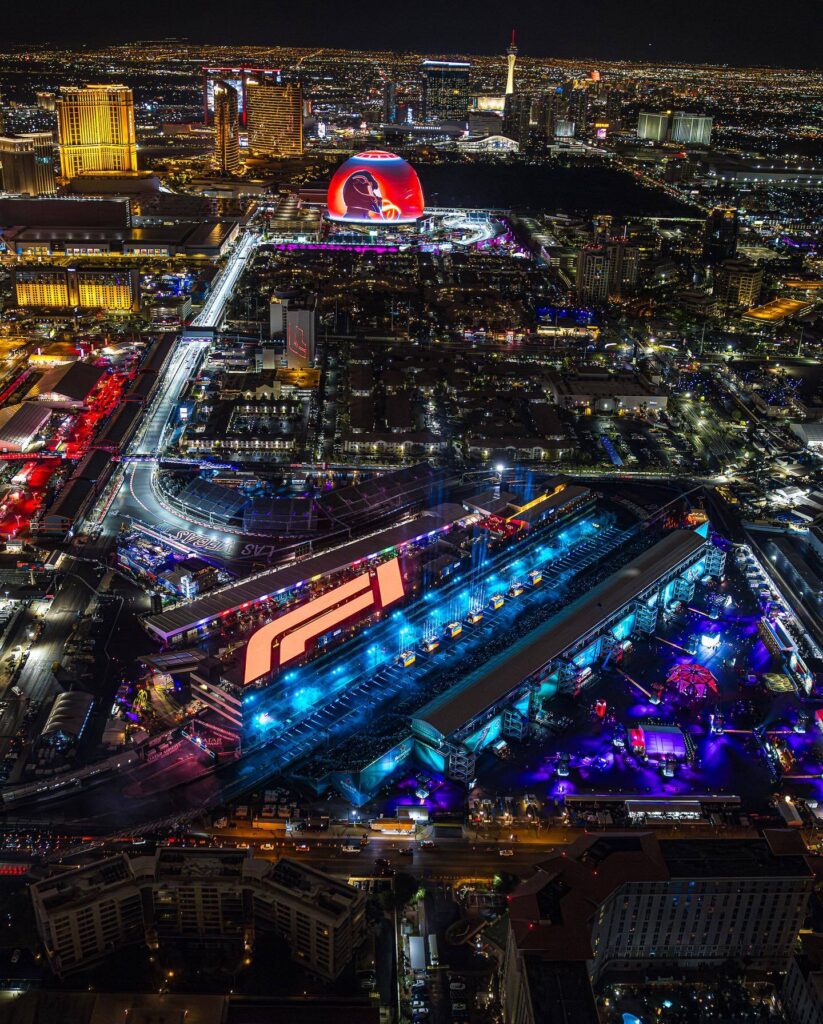
The racecourse itself serves as a tool for promoting the region. The single-seaters race down the Strip, passing the Bellagio, Caesars Palace, Wynn Las Vegas, and The Venetian. The city isn’t just the backdrop for the race; it becomes the main cultural attraction. Every international broadcast serves as a global tourism promotion campaign.
What sets Las Vegas apart is its ability to blend three traditionally separate industries: sports, hospitality, and entertainment. Few destinations boast such a concentration of hotel rooms, event facilities, entertainment infrastructure, and an international audience all at once.
This convergence likely explains why Formula 1 has now agreed to commit to an unusually long-term arrangement. A ten-year extension reflects a long-term strategic vision rather than an opportunistic one. Las Vegas is no longer just an experiment but is becoming a lasting pillar of the championship’s presence in the United States.
Another notable development is the creation of Grand Prix Plaza, a 39-acre complex billed as the largest permanent attraction dedicated to Formula 1. Its existence reflects a shift in the business model of modern sports: the event is no longer meant to take place just three days a year, but to generate ongoing activity. STEM education, community programs, and immersive experiences help extend the sport’s influence far beyond race weekend.
What we see here is a familiar phenomenon in the world of contemporary luxury. The most influential brands are no longer content to simply sell products; they are building cultural ecosystems. Formula 1 is now applying the same approach on a city-wide scale.
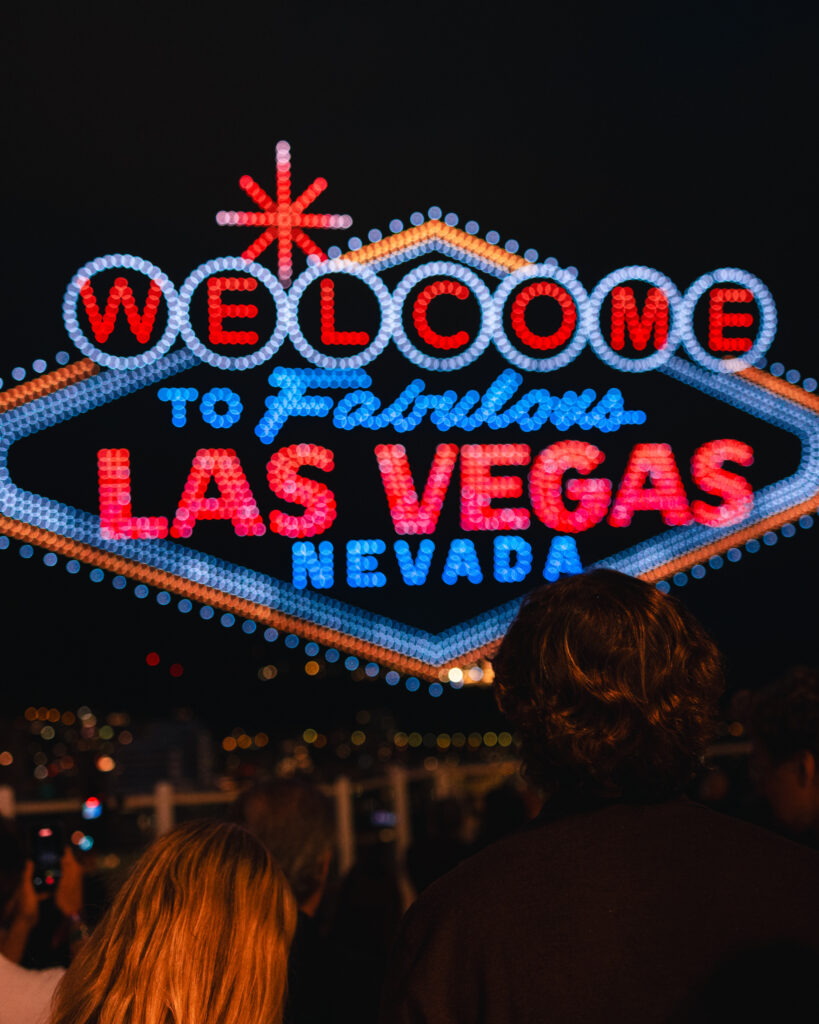
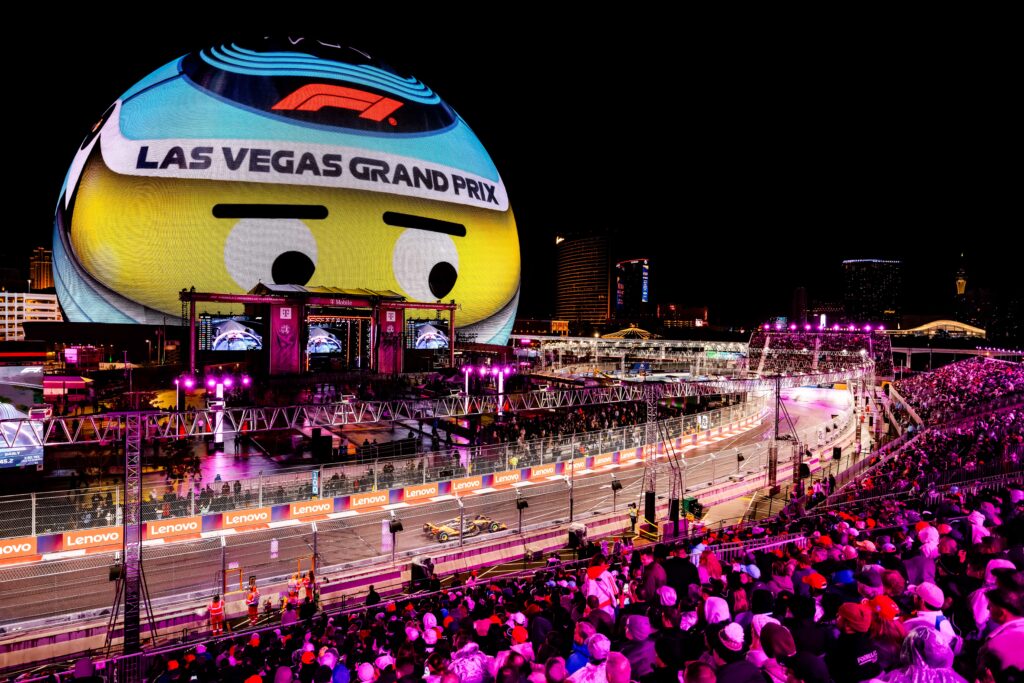
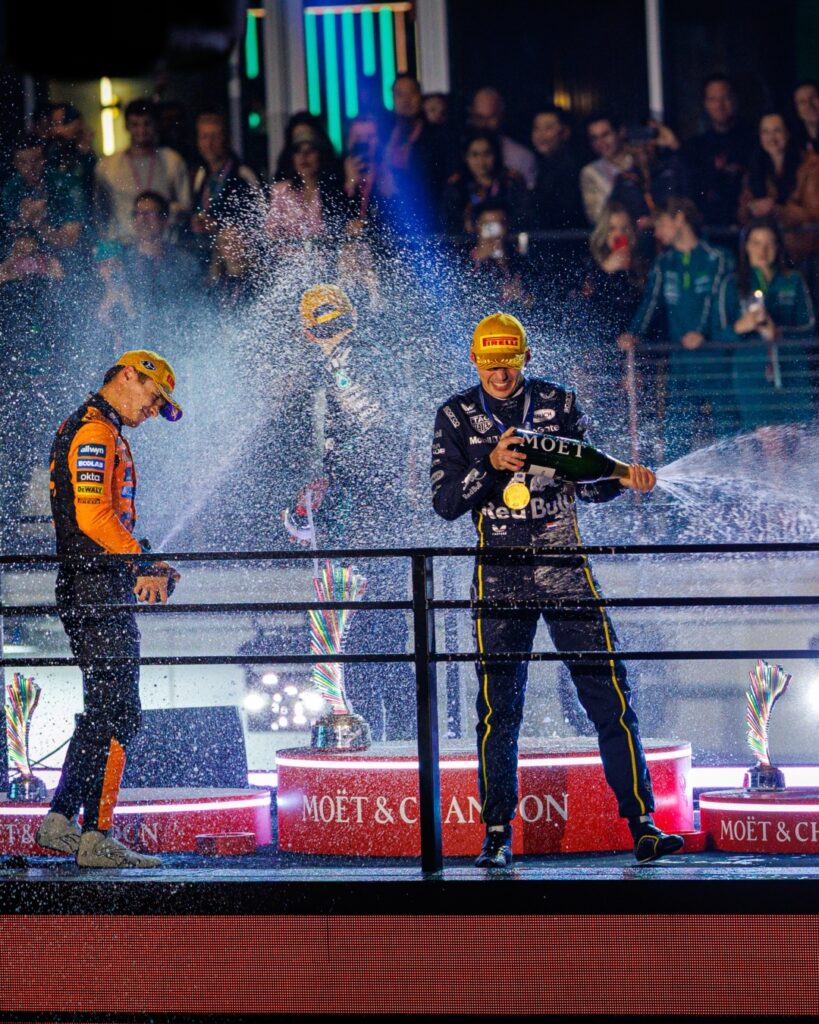
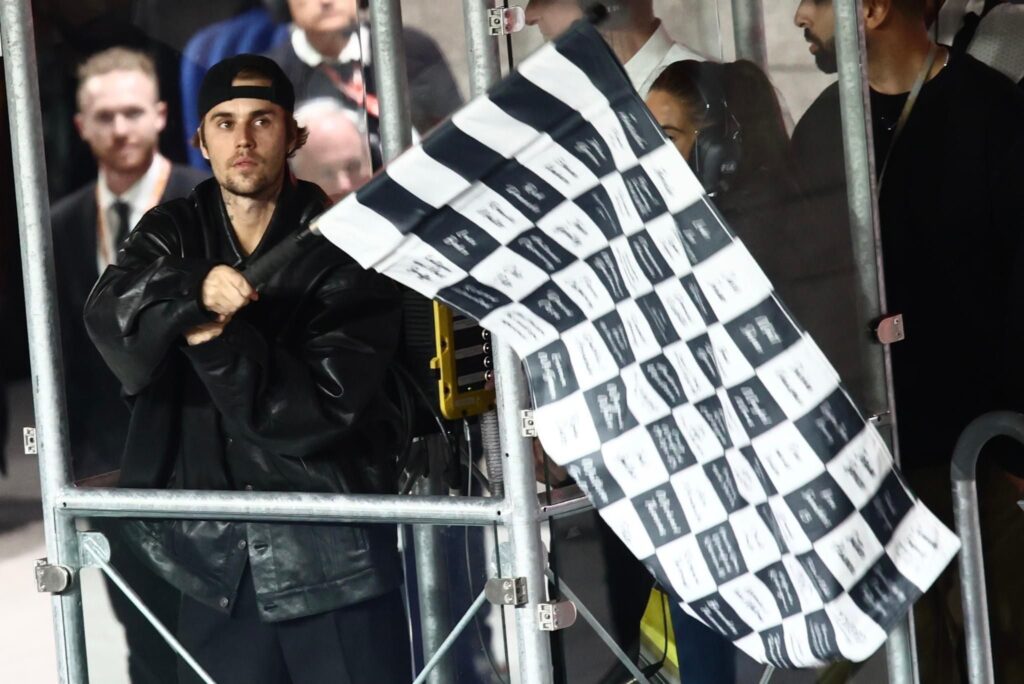
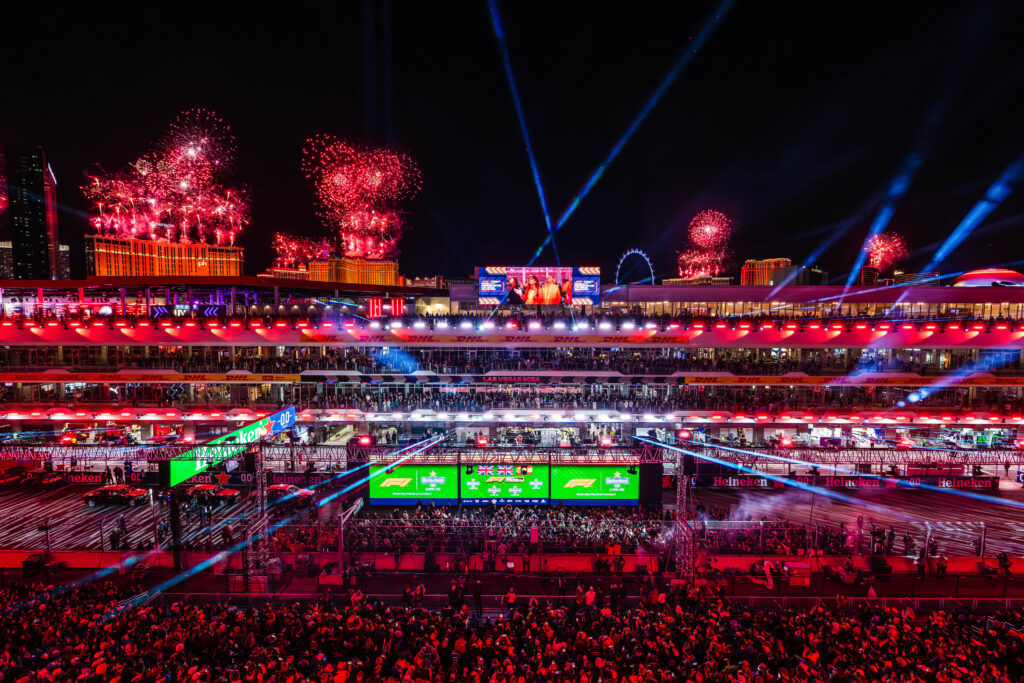
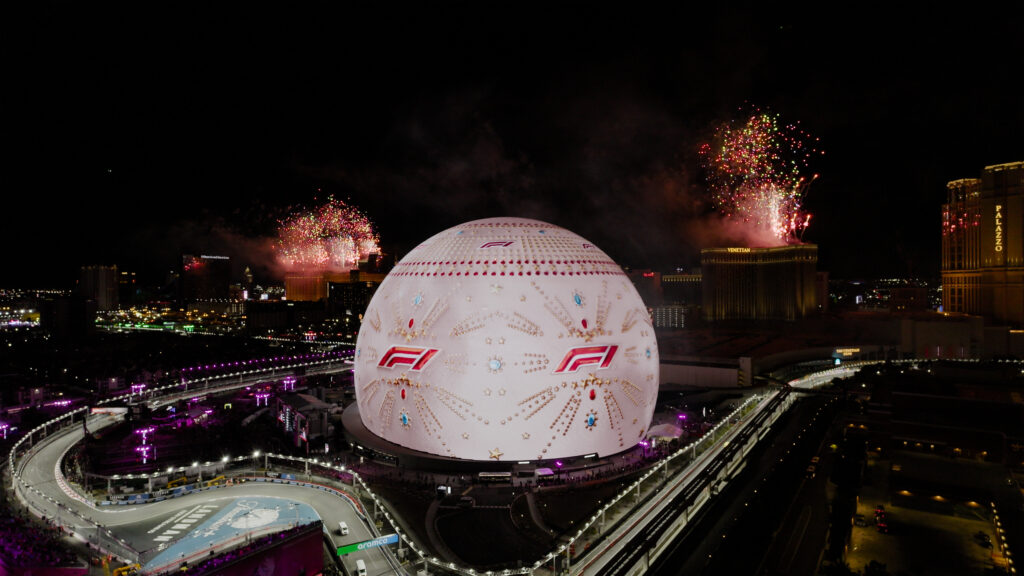
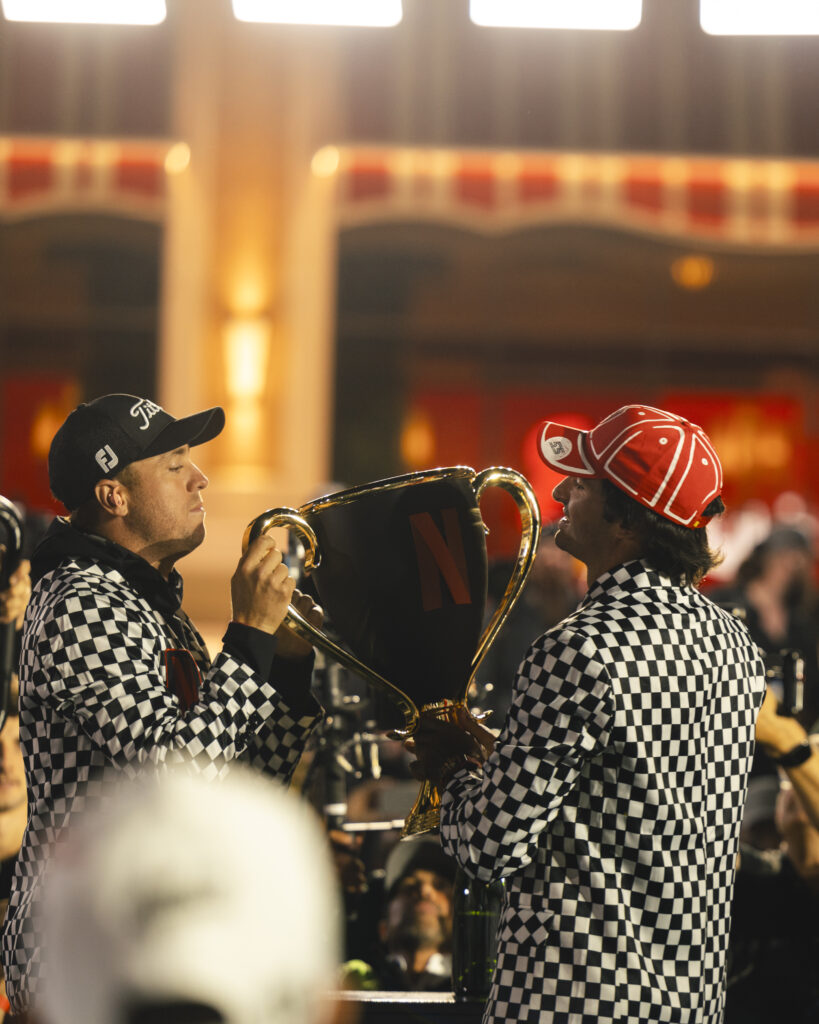
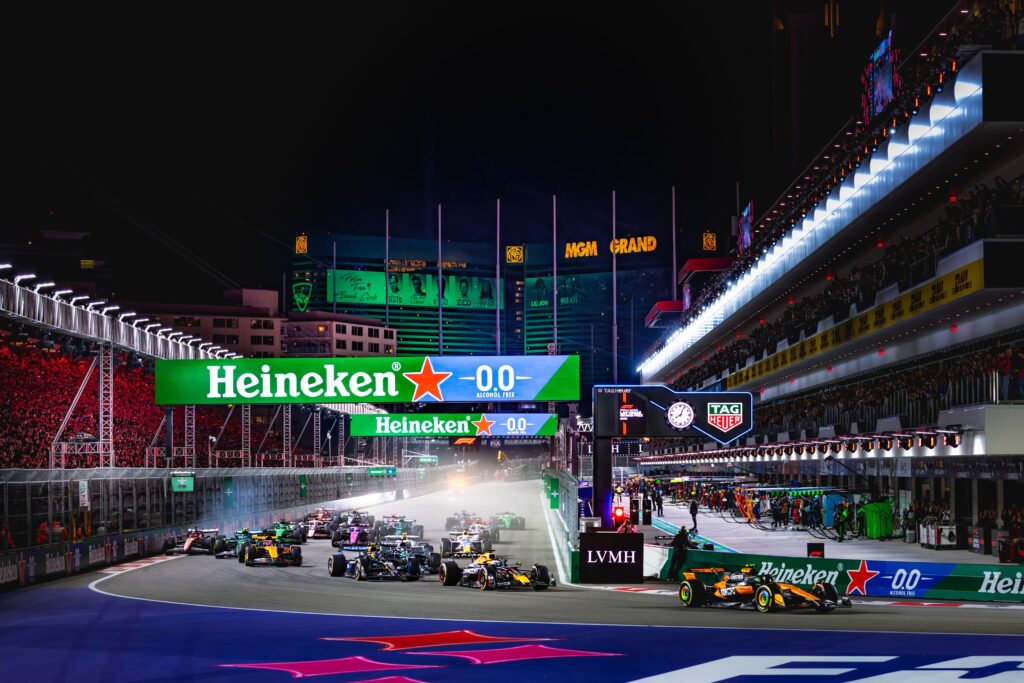
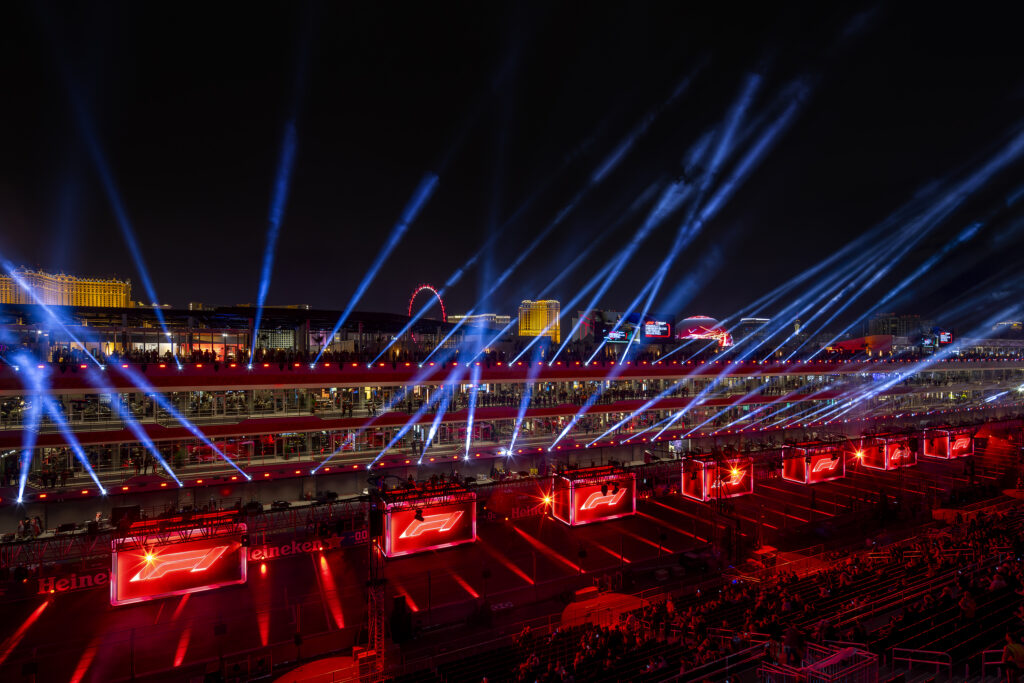
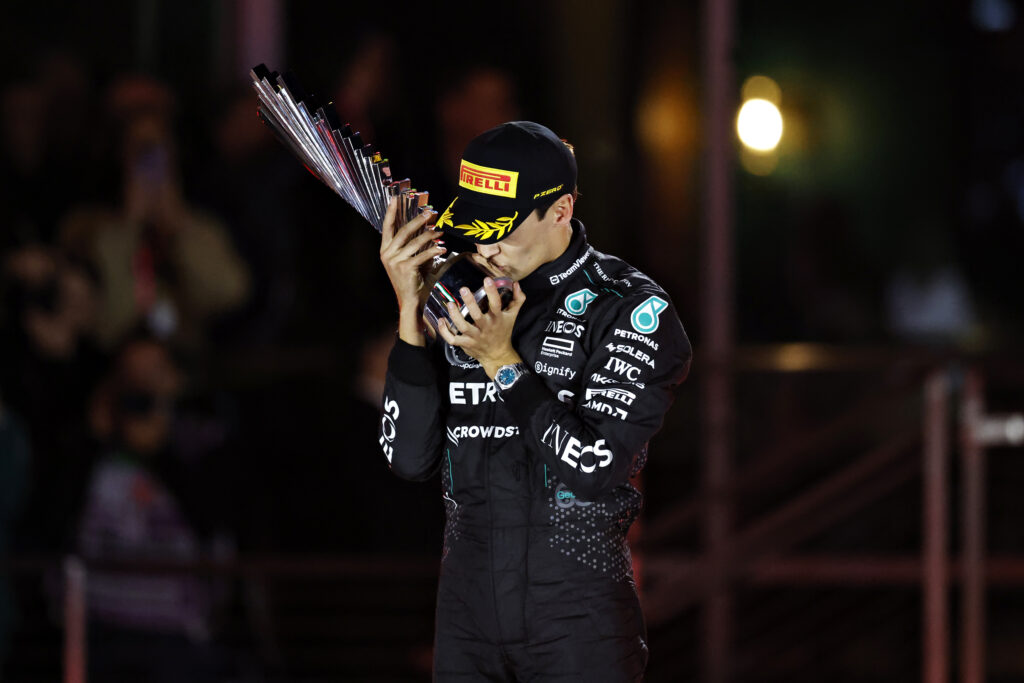
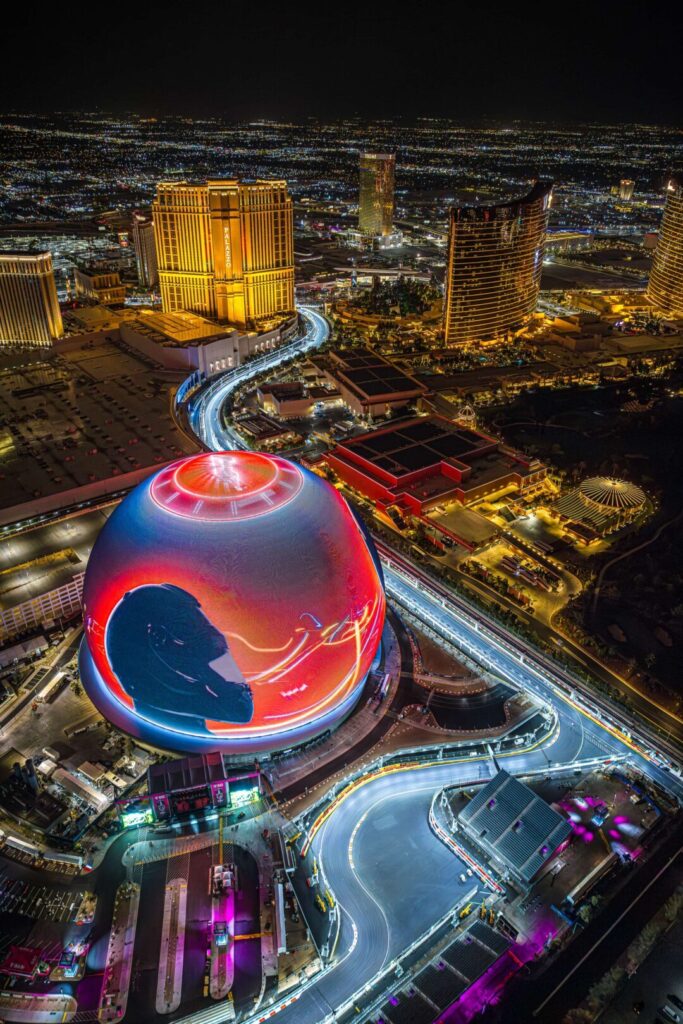
Detail
- Extension of the Grand Prix through 2037.
- $3.2 billion in cumulative economic impact since 2023.
- $43 million in tax revenue generated in 2025.
- A 6.2-kilometer street circuit running through the Strip.
- A 39-acre Grand Prix Plaza complex dedicated to the Formula 1 experience.
The real issue, then, is not about sports.
Las Vegas already has its casinos, entertainment venues, and hotel complexes. Formula 1 now brings something else to the city: a permanent place on the global map of events capable of drawing media attention, capital, and cultural influence for a few days.
In an economy where international visibility is becoming a strategic asset, the race appears less as a motorsport competition and more as a tool for promoting the region. The extension through 2037 confirms a belief shared by both the city and the sport: the future of the sport lies as much in creating experiences as in the results displayed on the podium.
Cette publication est également disponible en :

