
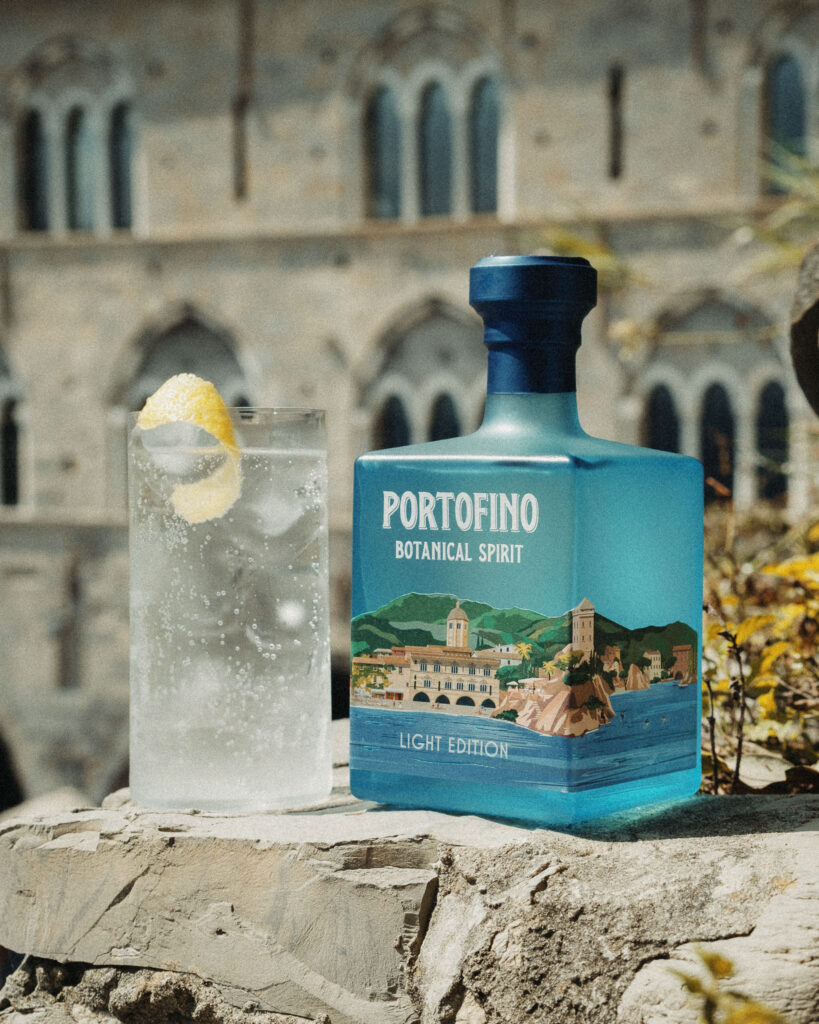
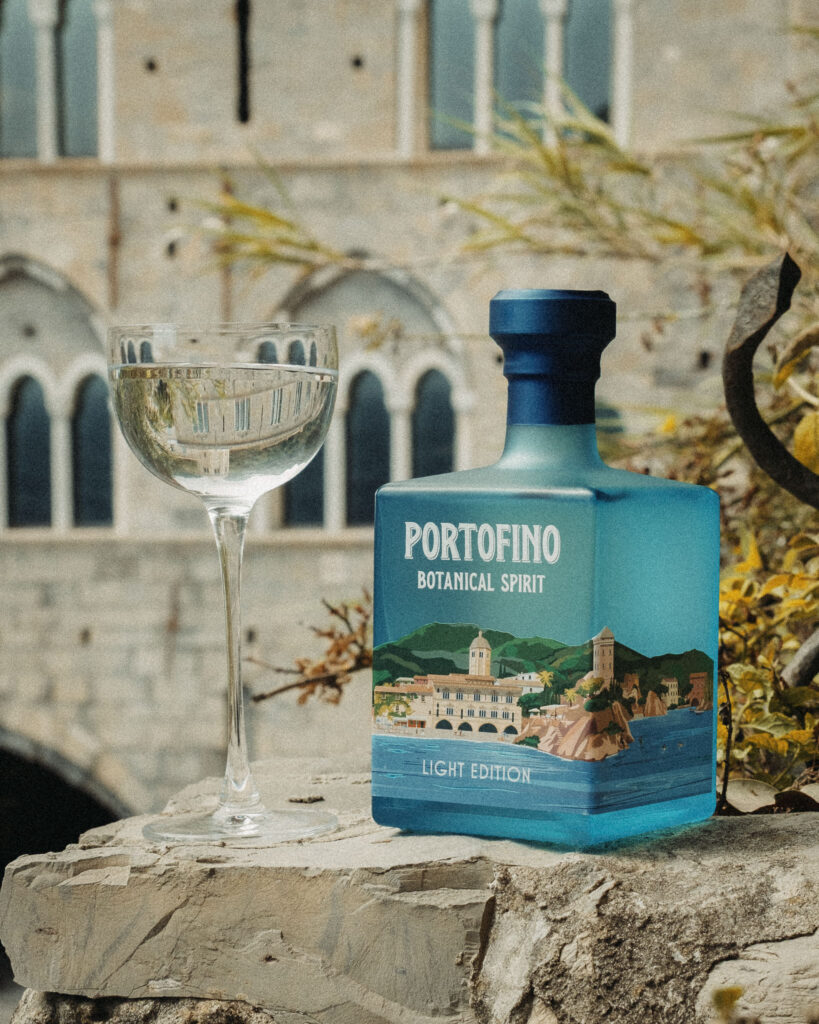
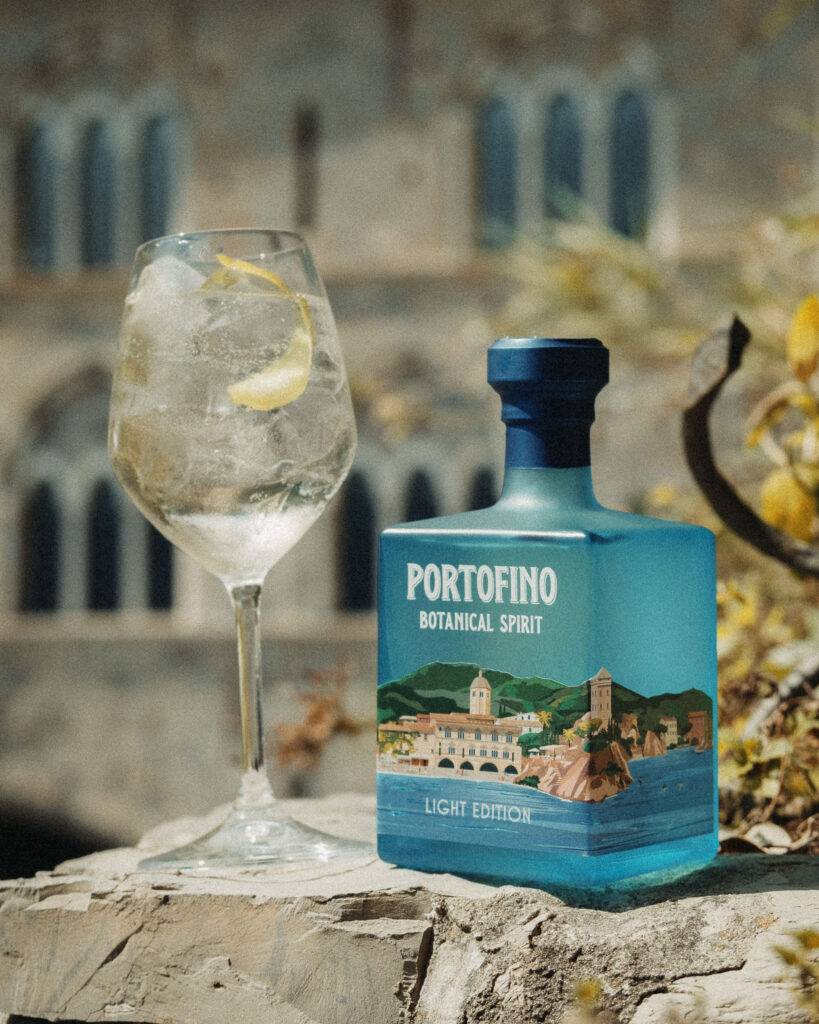
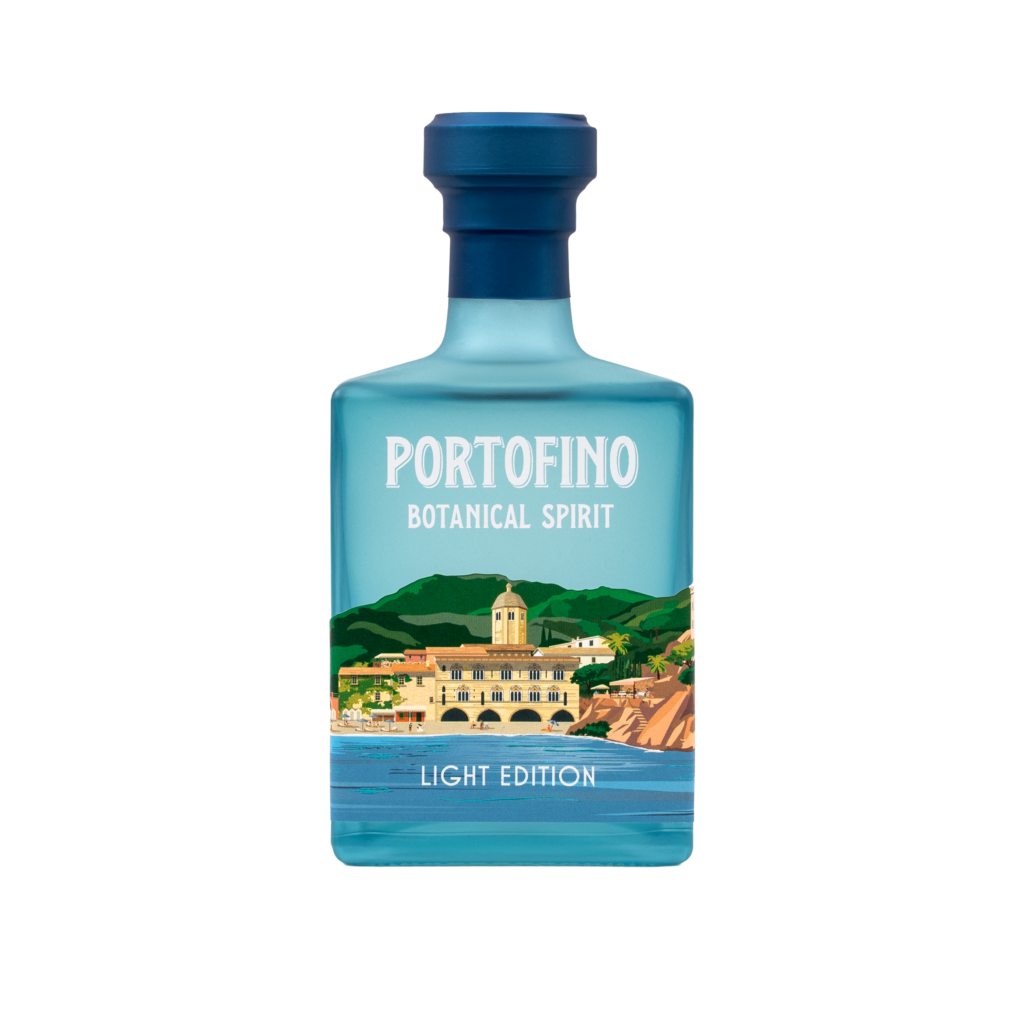
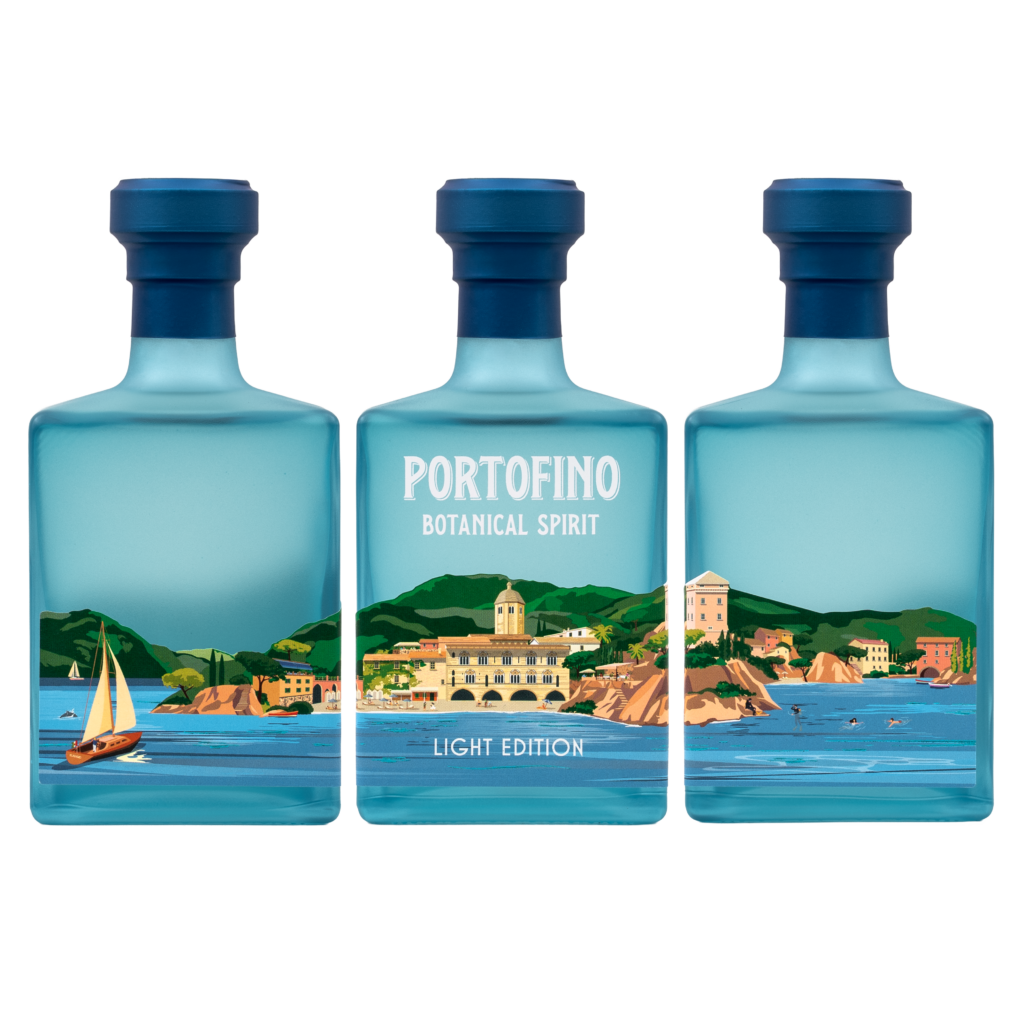
The reduction in alcohol content is forcing spirits producers to rethink their aromatic profiles. With Botanical Spirit: Light Edition, Portofino Dry Gin does more than simply lighten an existing recipe: the brand combines several extraction methods to preserve the presence of twenty-five botanicals at 20 percent alcohol.
Objet falls into a category that is rapidly evolving. Somewhere between traditional gin and non-alcoholic beverages, low-alcohol spirits are still searching for their own identity. Portofino retains the Mediterranean notes of its collection: juniper, lemon, lavender, thyme, hyssop, yarrow, iris, and mint. These are complemented by distilled seaweed and Mediterranean seawater, which are used to create a salty undertone and a subtle umami sensation.
The production method is more interesting than a simple list of ingredients. The recipe combines botanical infusions, traditional distillation, vacuum distillation, and blending. Vacuum distillation allows for distillation at lower temperatures, helping to preserve delicate aromatic compounds. In a lower-alcohol spirit, this step can partially compensate for the reduced role of ethanol as a carrier of aromas.
The described profile features a fresh, citrusy opening, a herbaceous and marine heart, followed by a longer finish. At 20 percent ABV, the balance will necessarily depend on how it’s served: temperature, dilution, choice of tonic, or how it’s mixed into a cocktail. This lower alcohol content therefore does not make La Pièce a simple “light” version of gin; it calls for a different way of enjoying it.
The cultural implications extend beyond the case of Portofino. The spirits industry is facing changing consumption patterns, particularly during lunches, extended aperitif hours, and occasions where moderation has become a key factor in consumer choice. Producers who wish to maintain high standards of flavor must demonstrate that the reduction in alcohol content is the result of careful formulation—not an opportunistic marketing ploy.
With twenty-five botanical ingredients and four complementary production processes, *Botanical Spirit: Light Edition* provides concrete details to support this demonstration. However, essential information regarding quantities, the exact origin of the plants, and distillation parameters is still missing.
The next step will be a blind tasting. If this new category is to establish itself as a lasting trend, it will have to be judged by the same standards as traditional spirits: length, precision, texture, and the ability to withstand dilution.
Cette publication est également disponible en :

