
Denim doesn’t inform itself of current events; it accompanies them. For Maison Nili Lotan, the release of its new campaign in Tribeca and the opening of a dedicated space at 183 Duane Street mark less a collection than a study of the durability of an urban uniform.
The geography of a texture
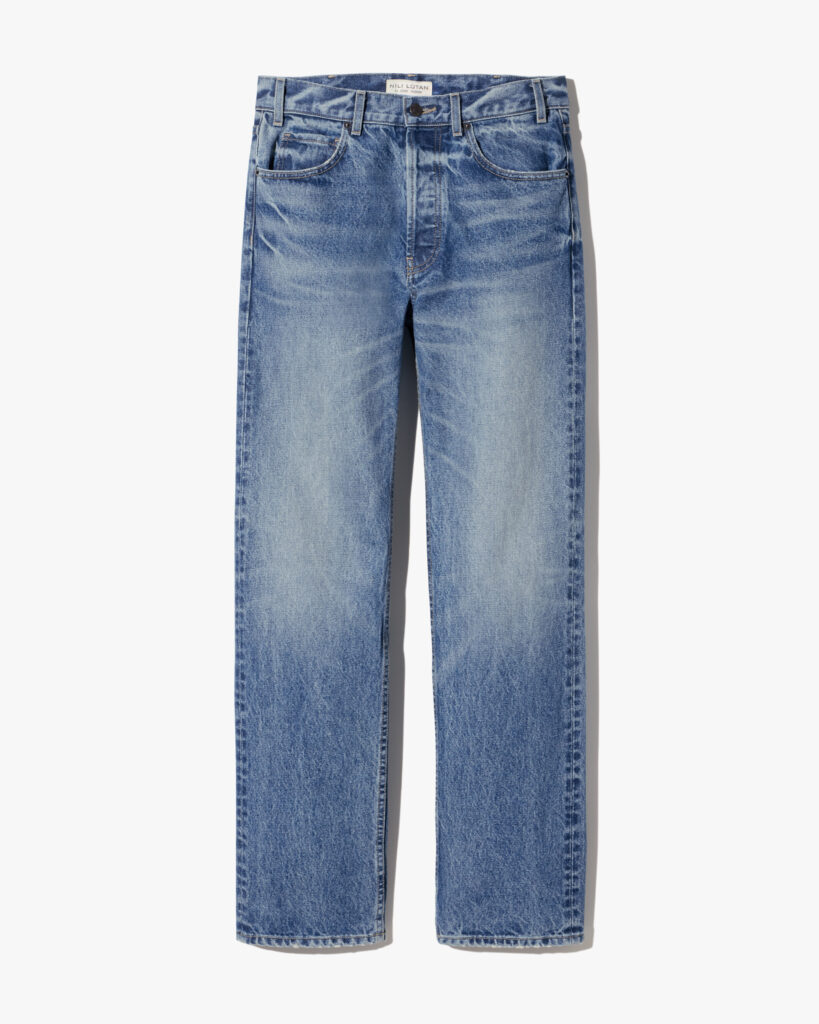
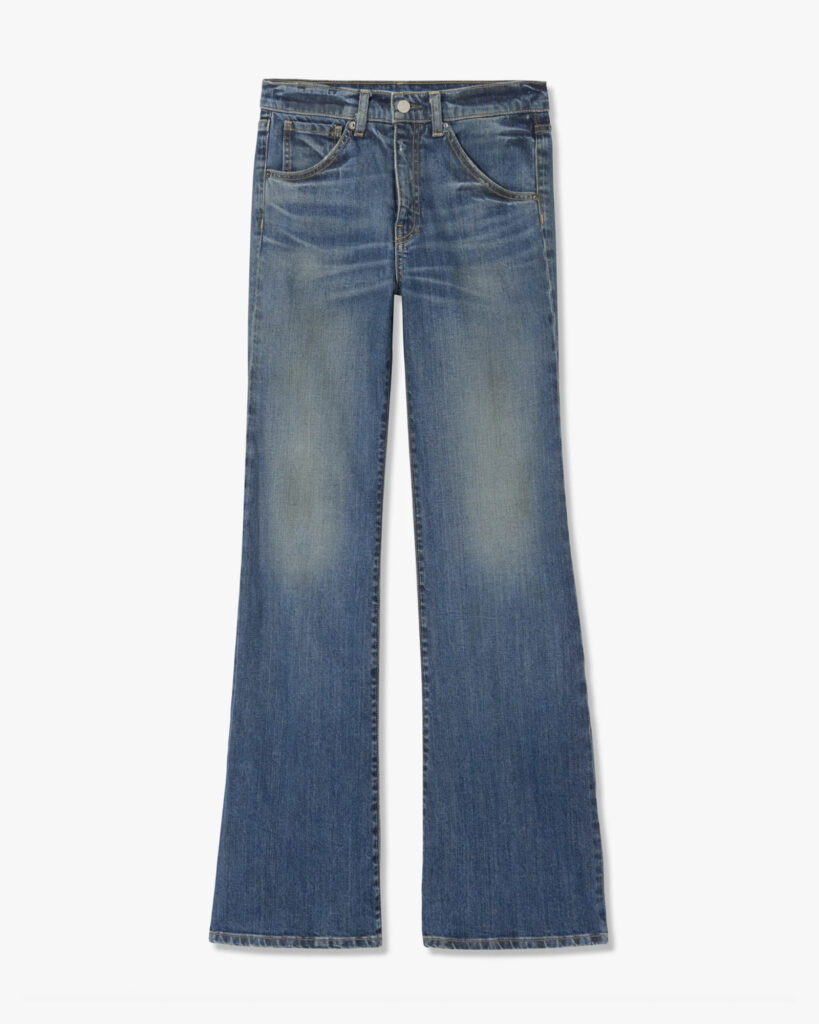
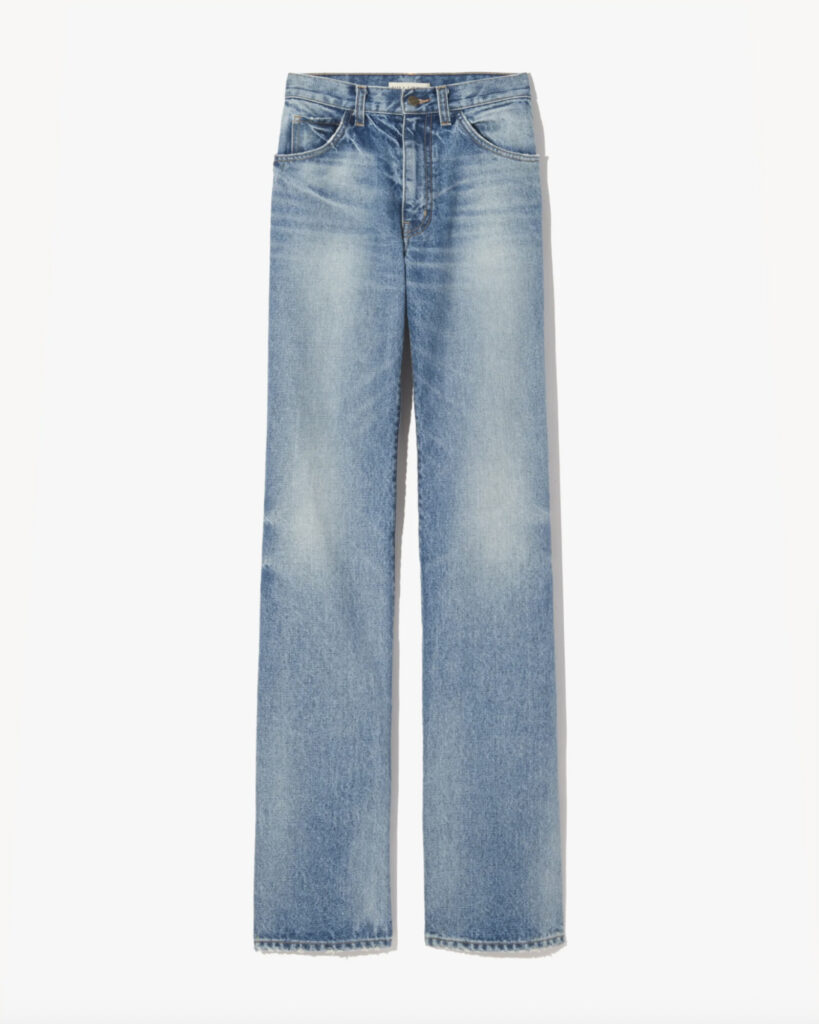
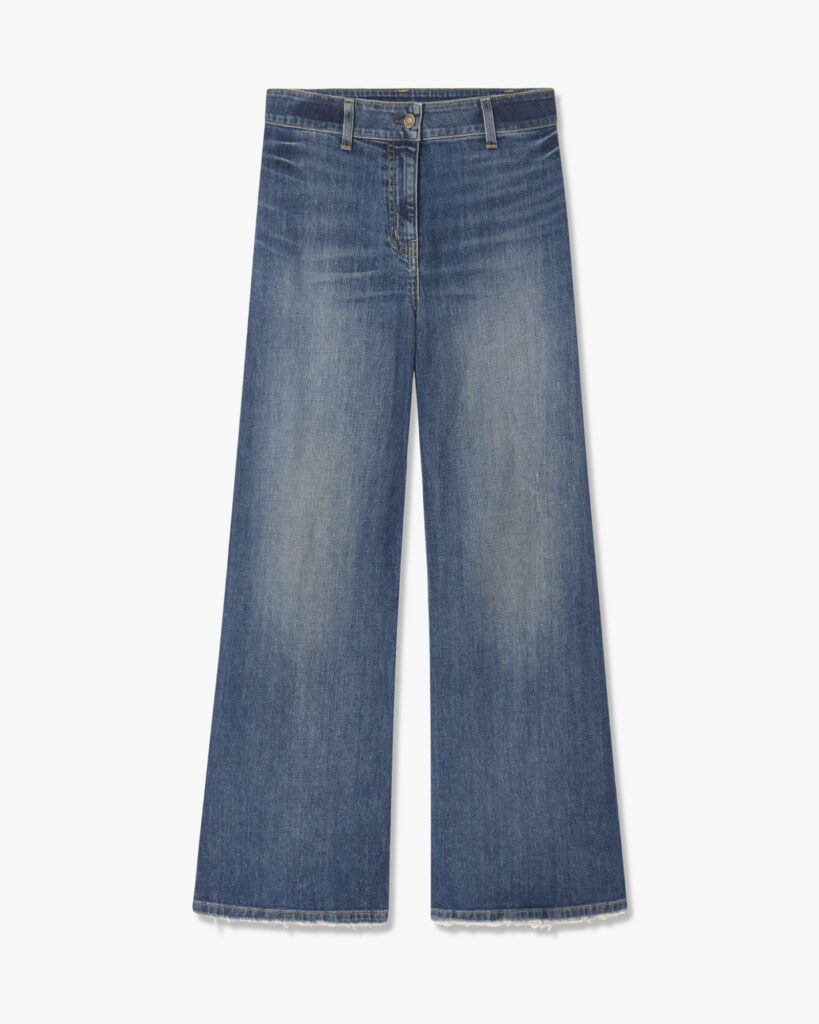
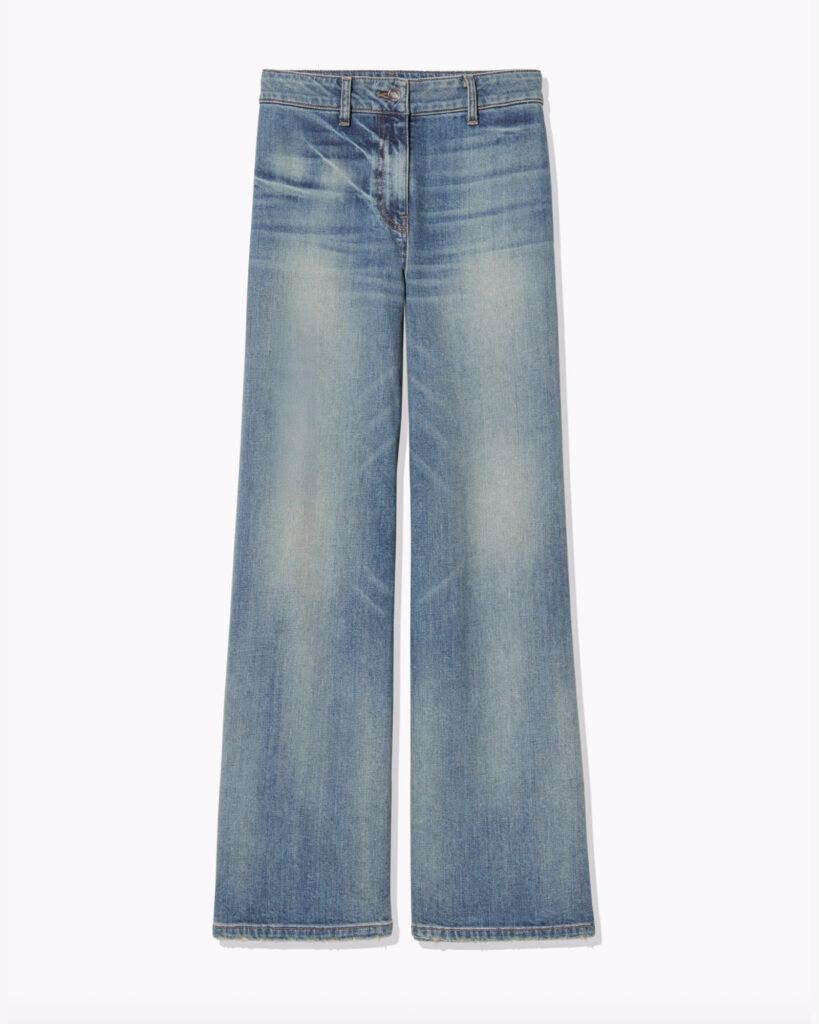
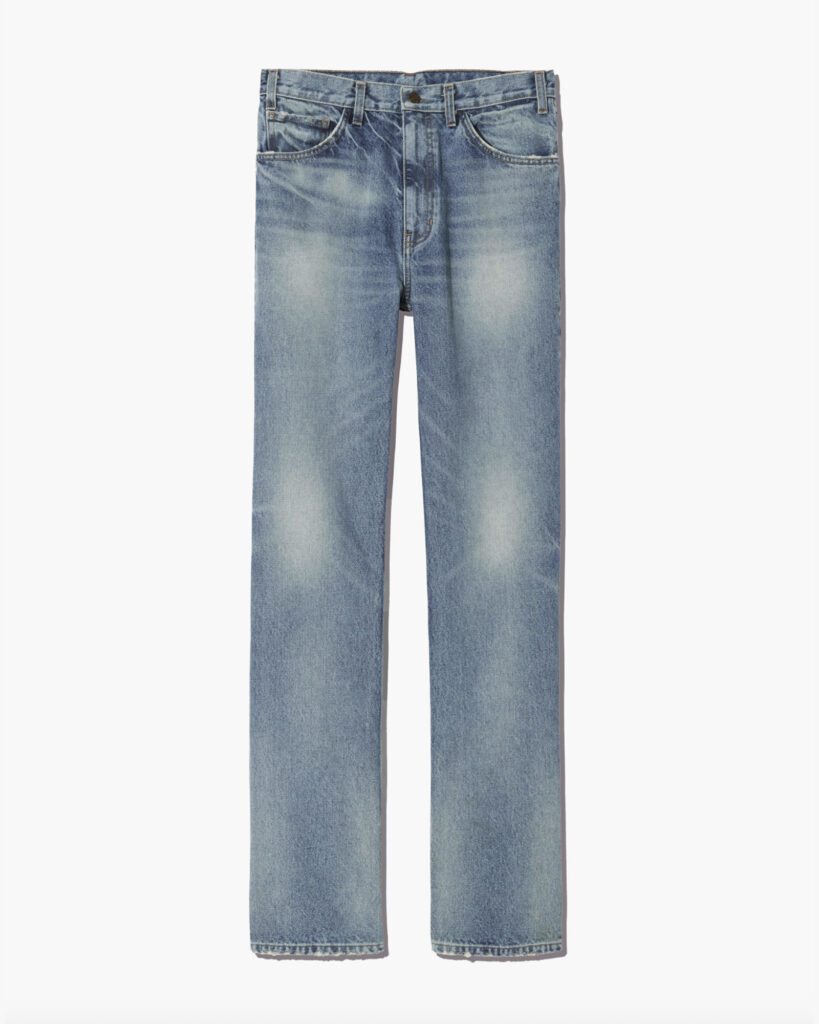
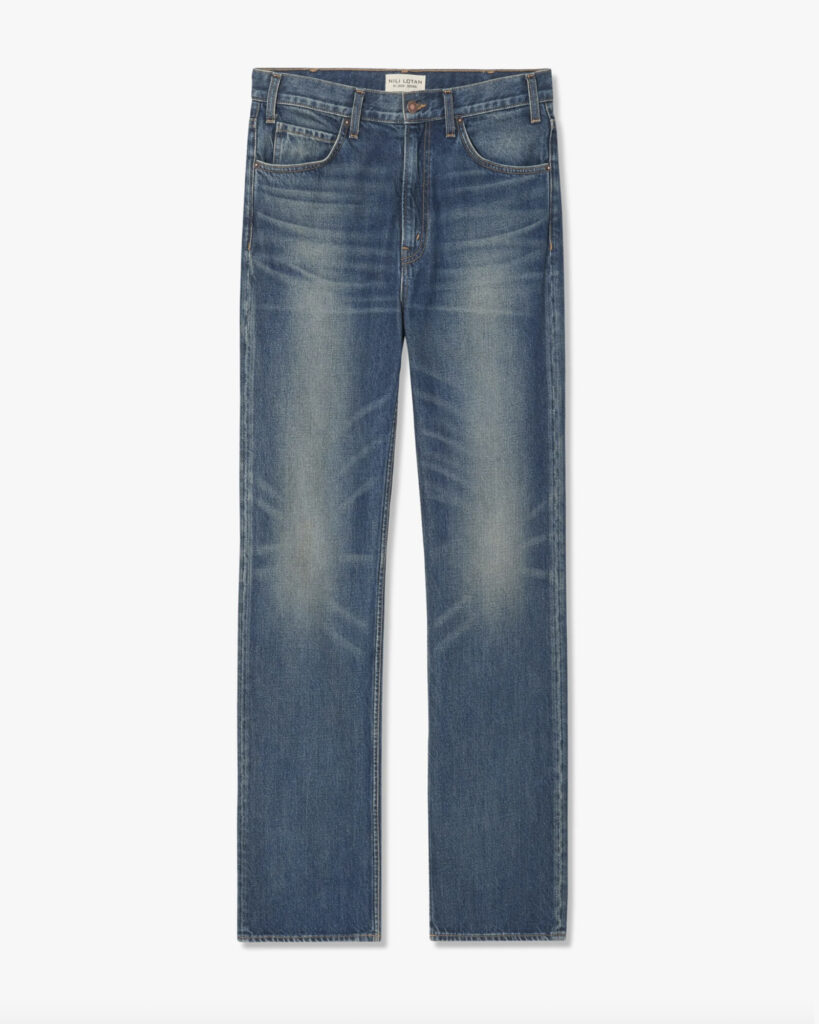
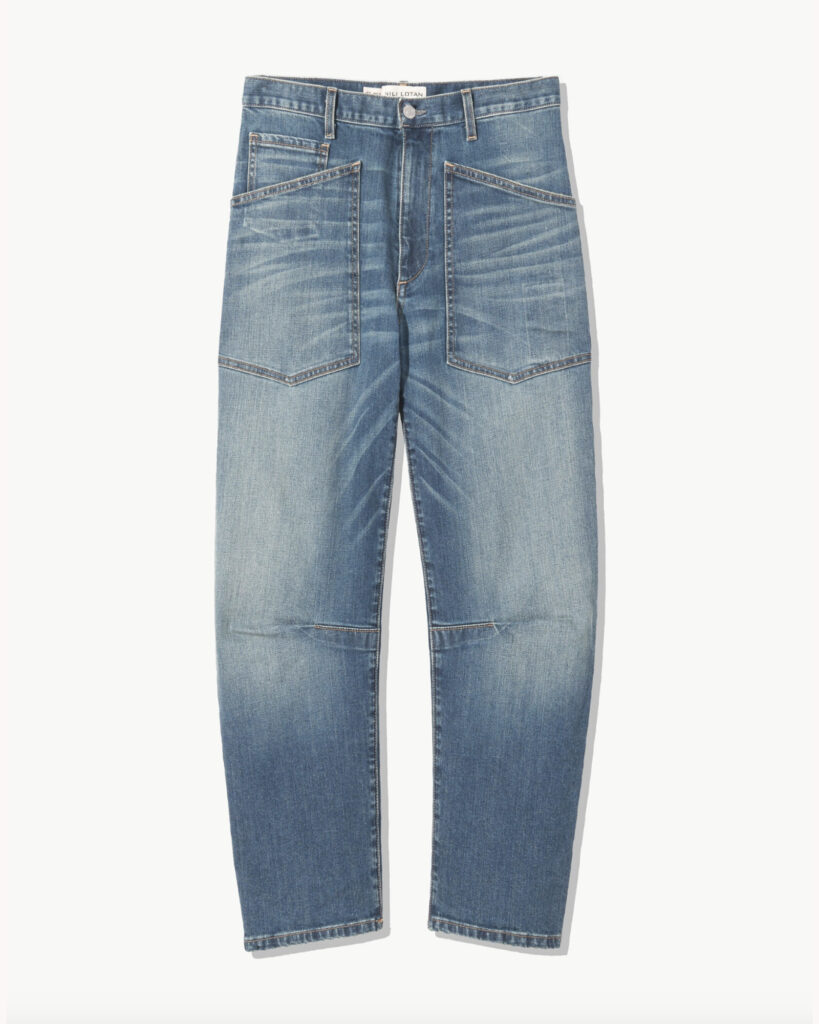
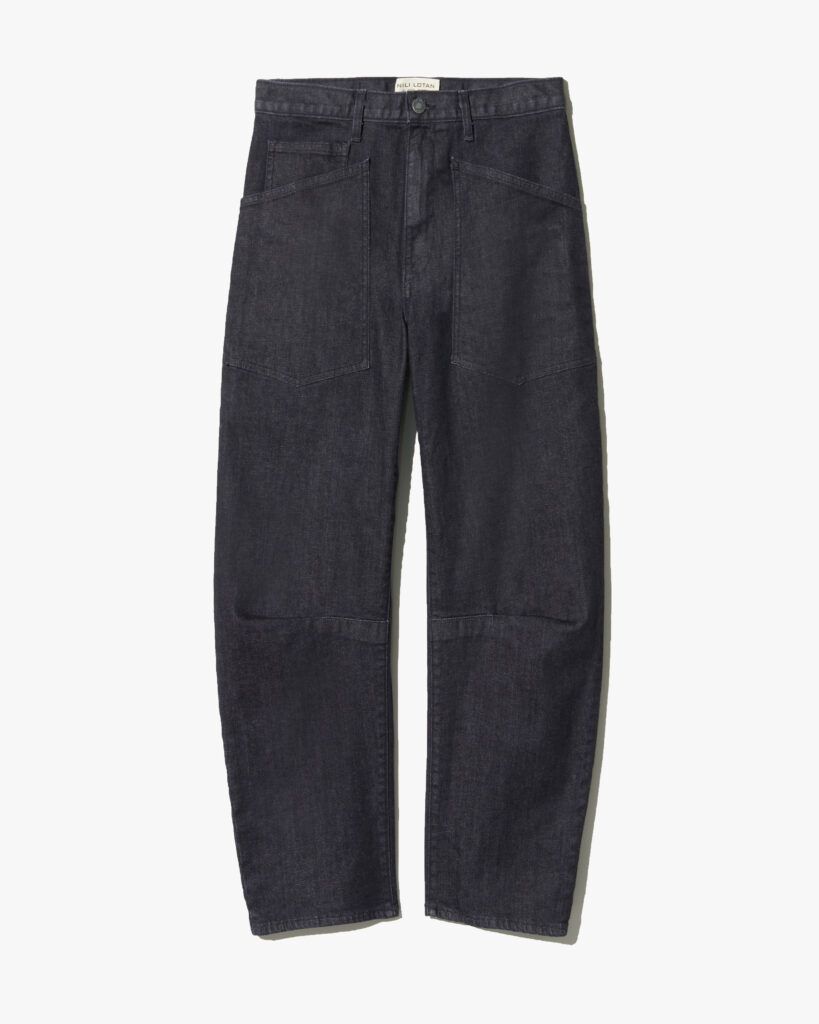
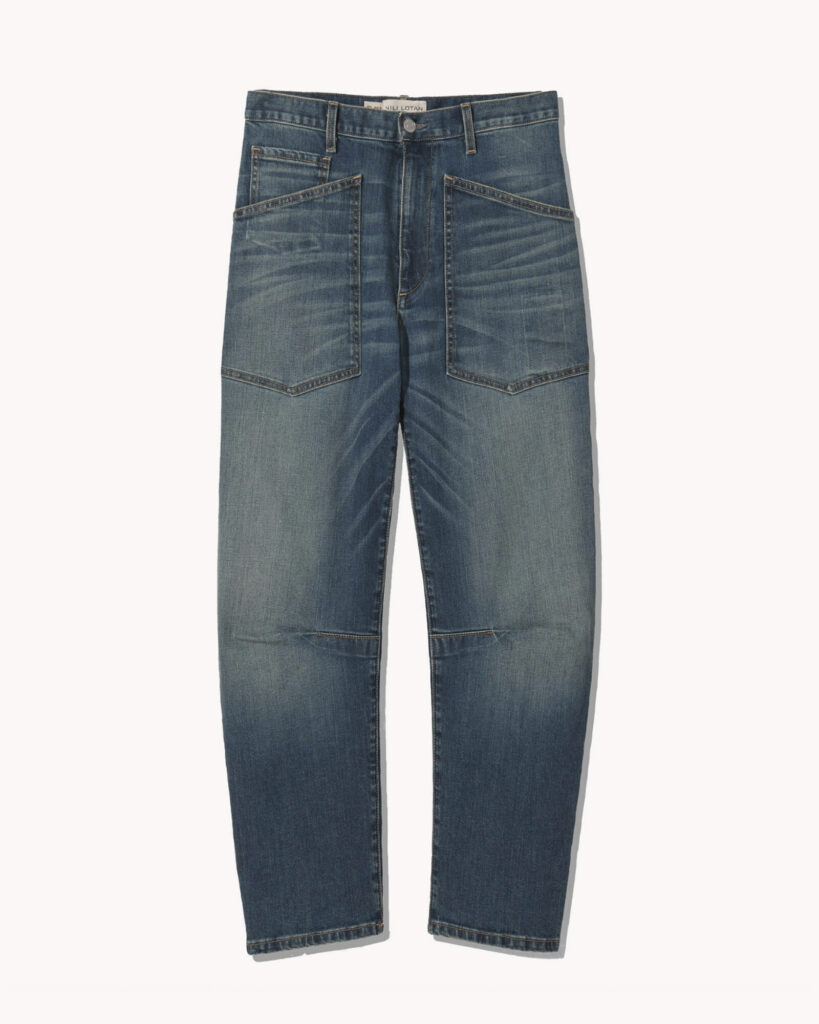
For Nili Lotan, the object finds its genesis in the rigor of Japanese spinning mills. The choice of these fabrics is not aesthetic, but structural: the density of Japanese weaving is selected for its ability to withstand the test of time and record the wearer’s gestures. The transformation process then moves to Los Angeles. In these specialized workshops, the work of laundering moves away from artifice towards the archaeology of clothing. By studying vintage pieces, the technicians seek a supple hand and a relief that doesn’t simulate wear, but prepares it.
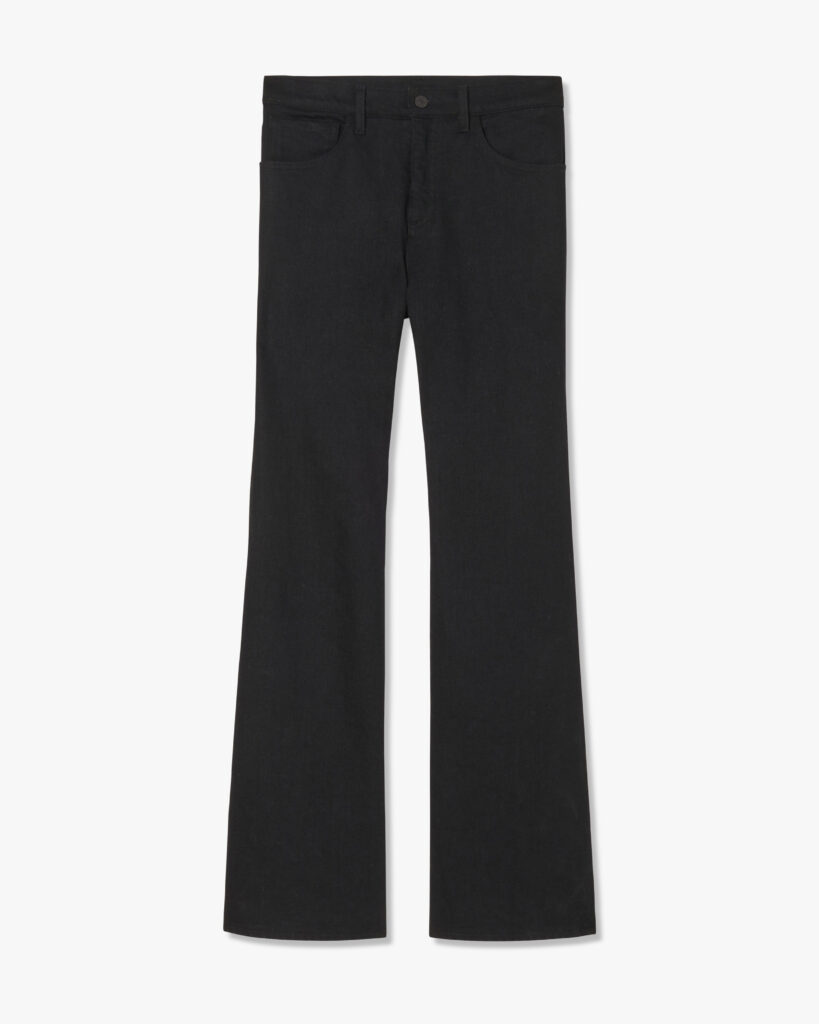
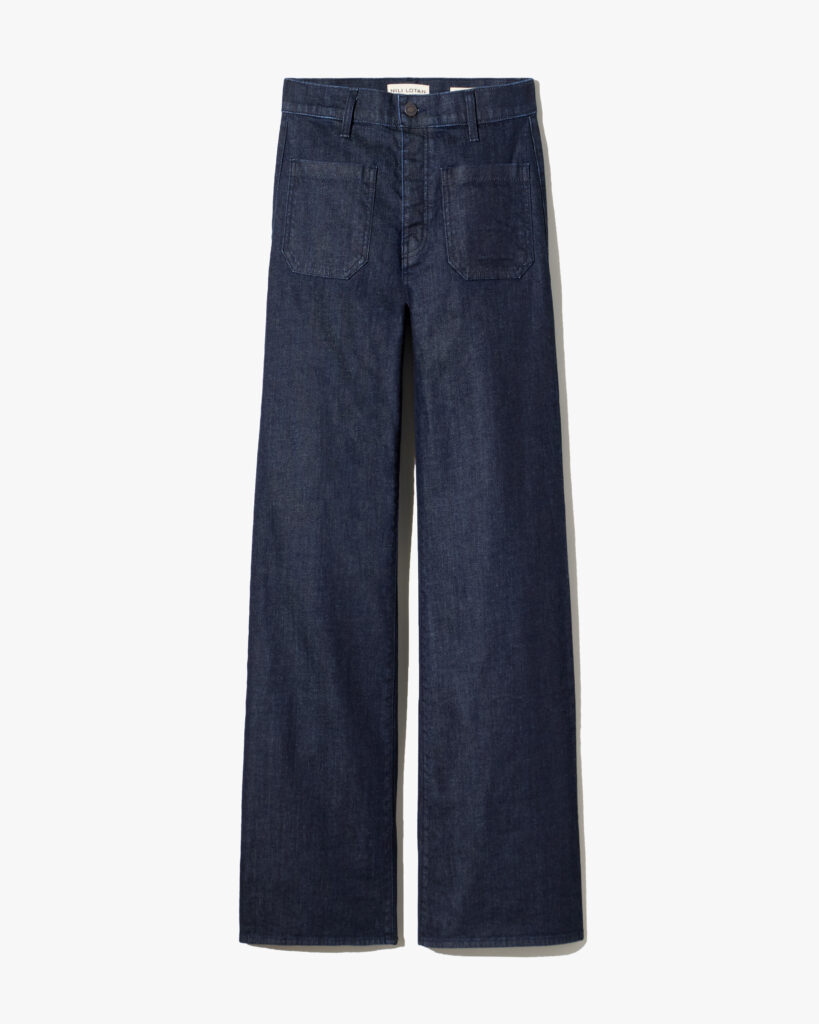
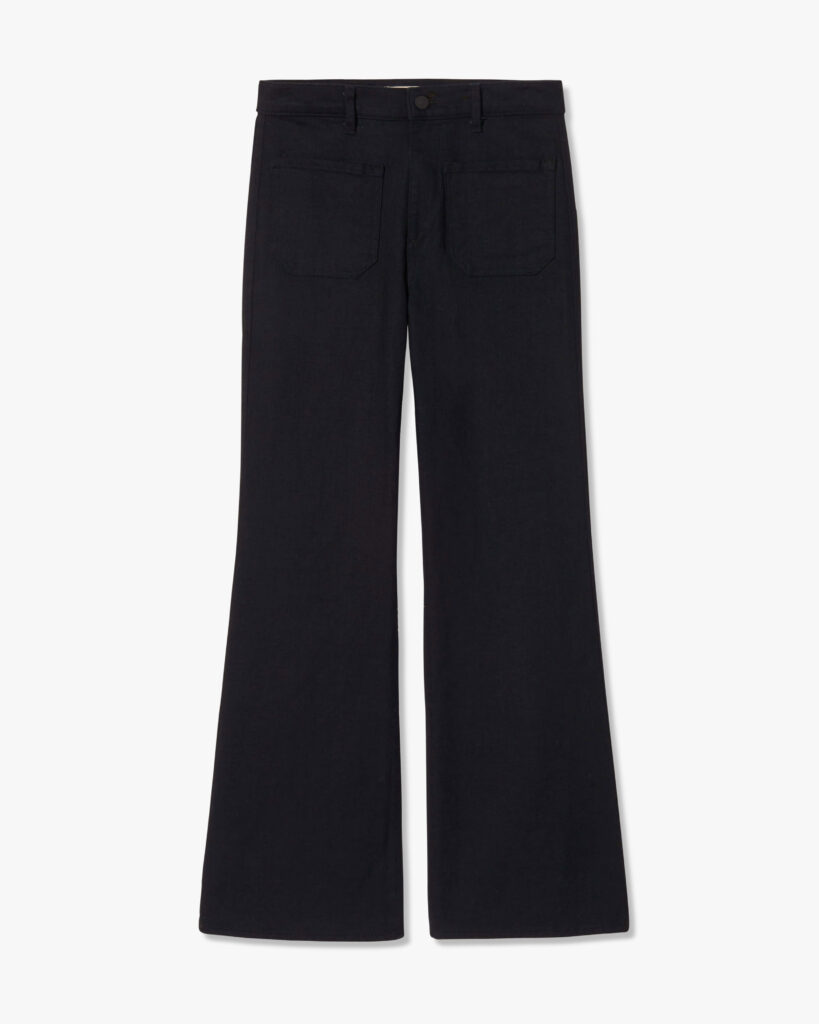
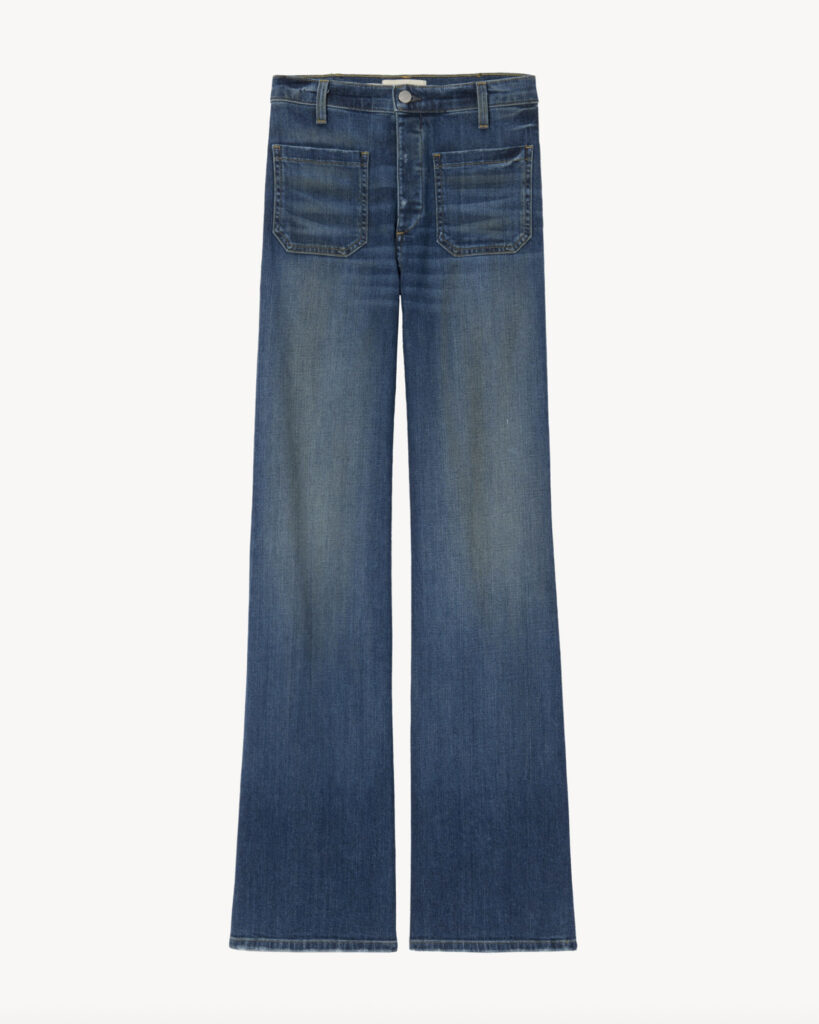
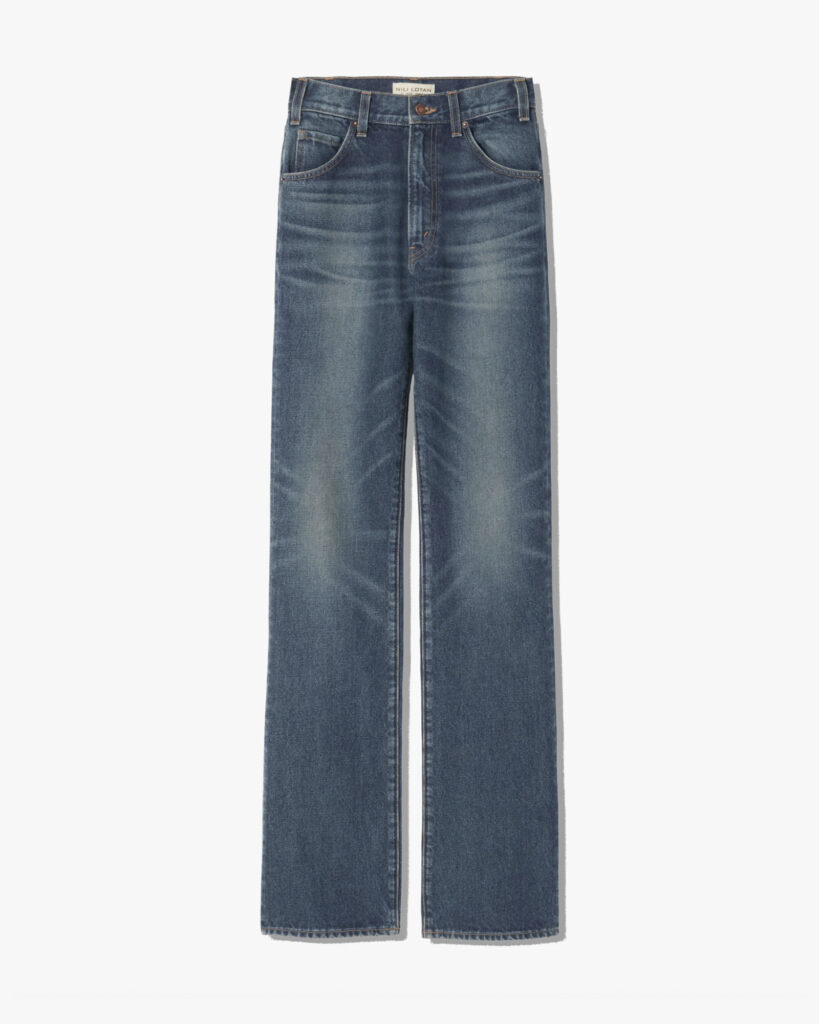
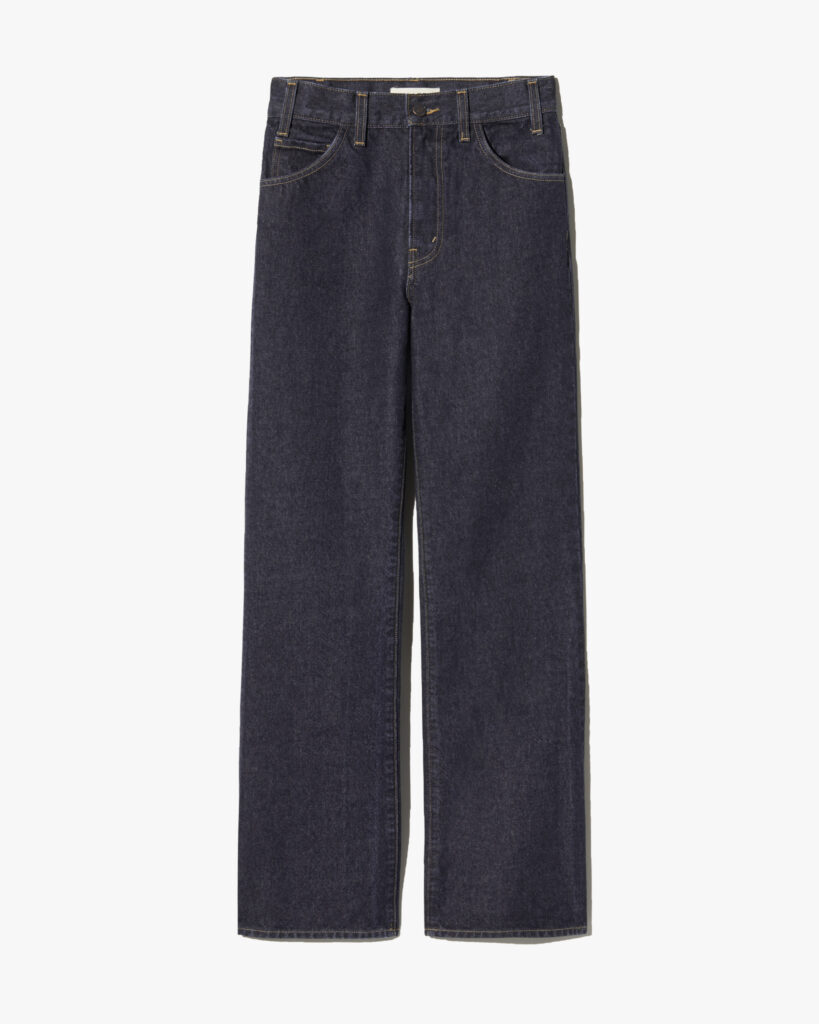
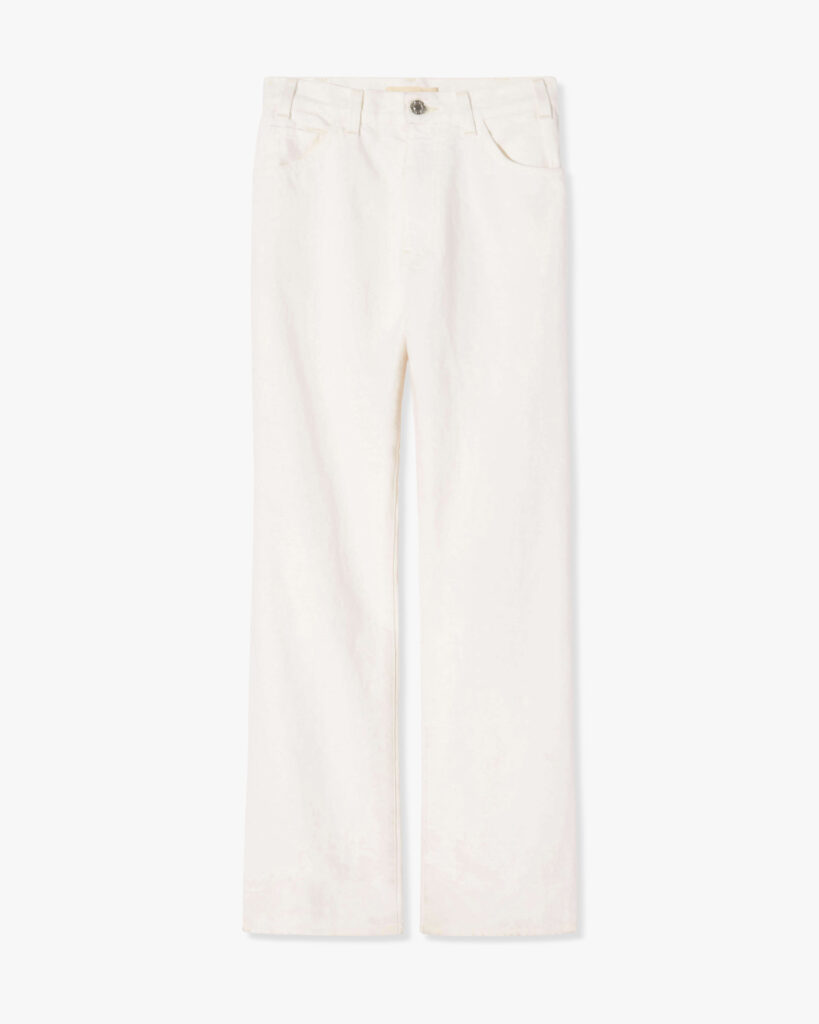
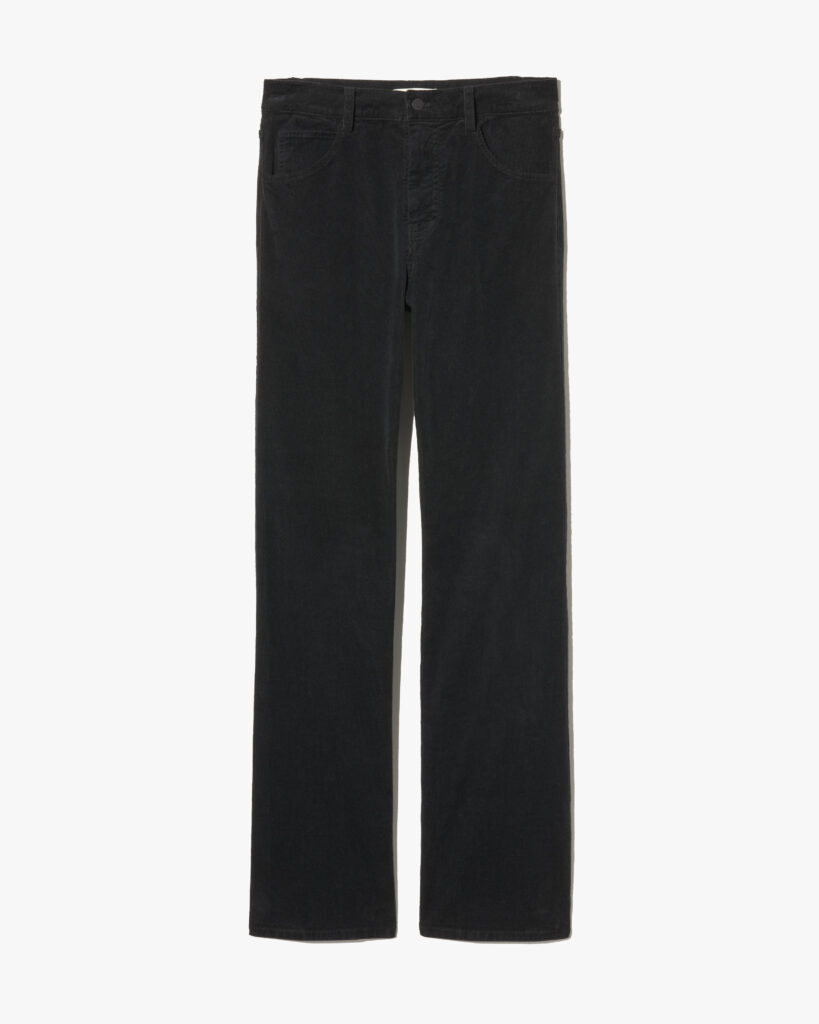
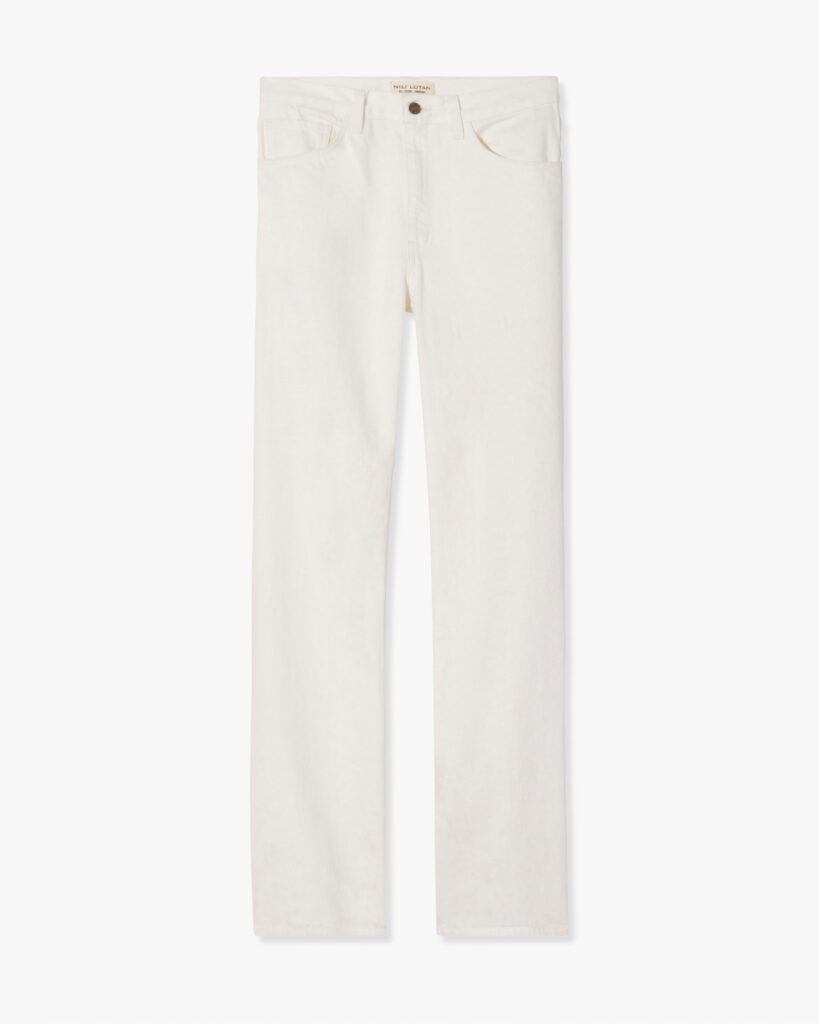
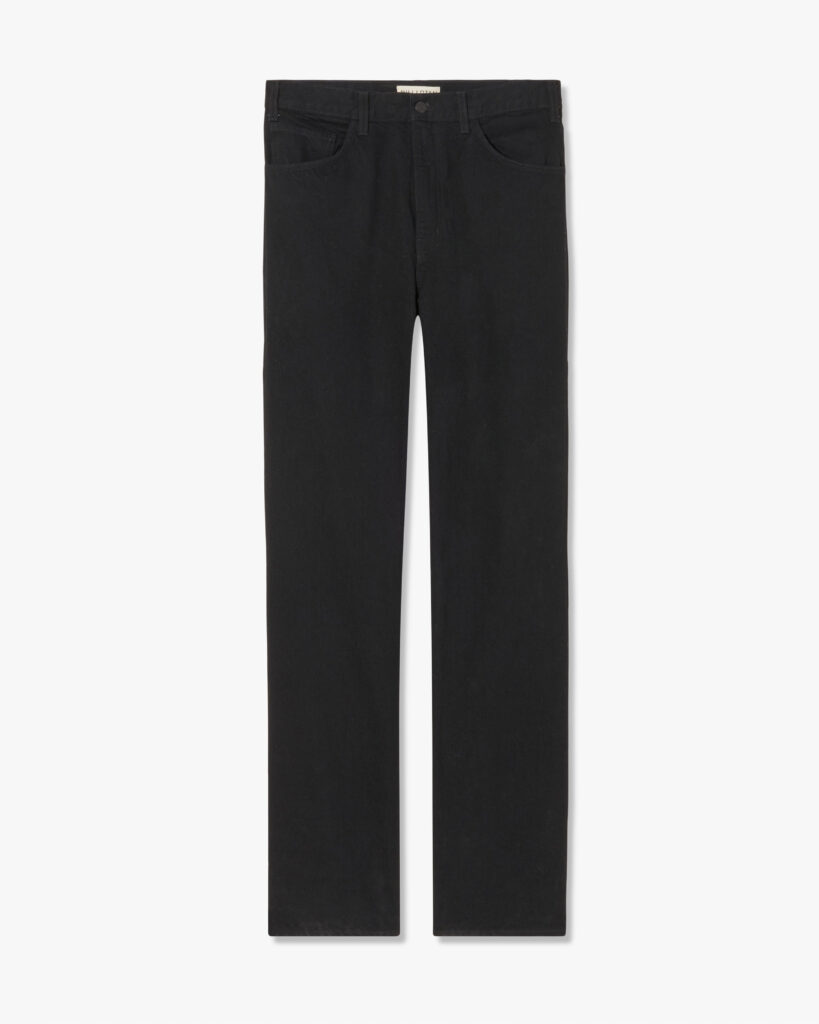
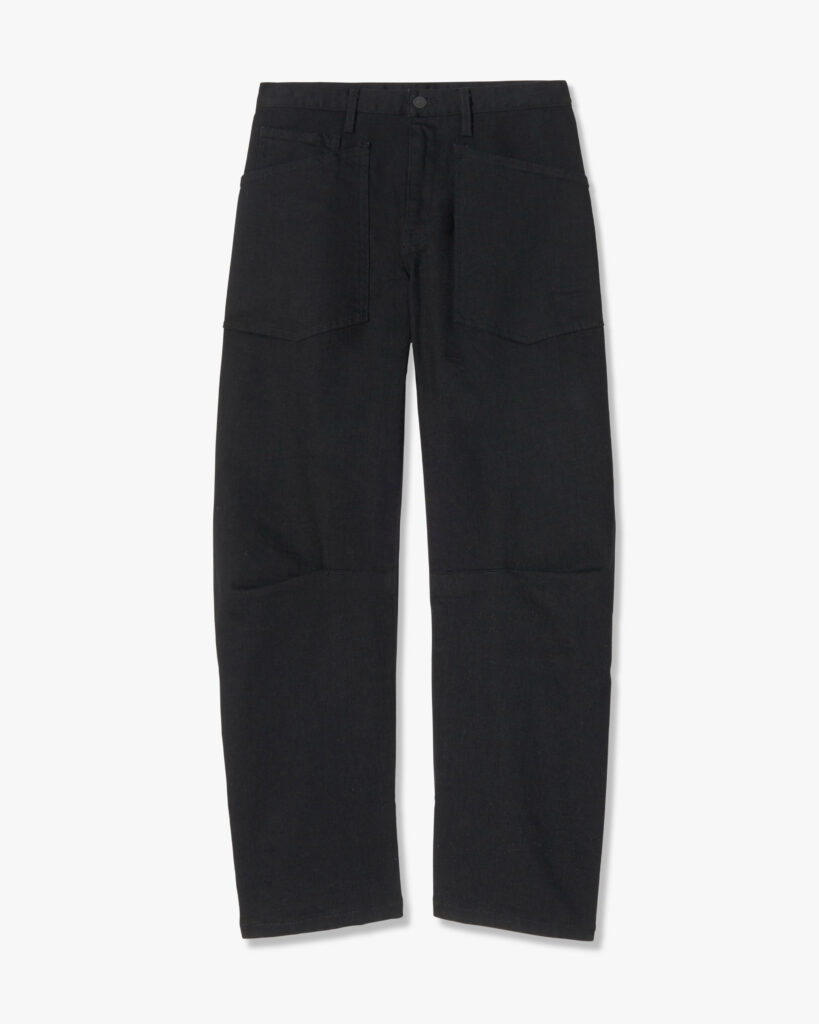
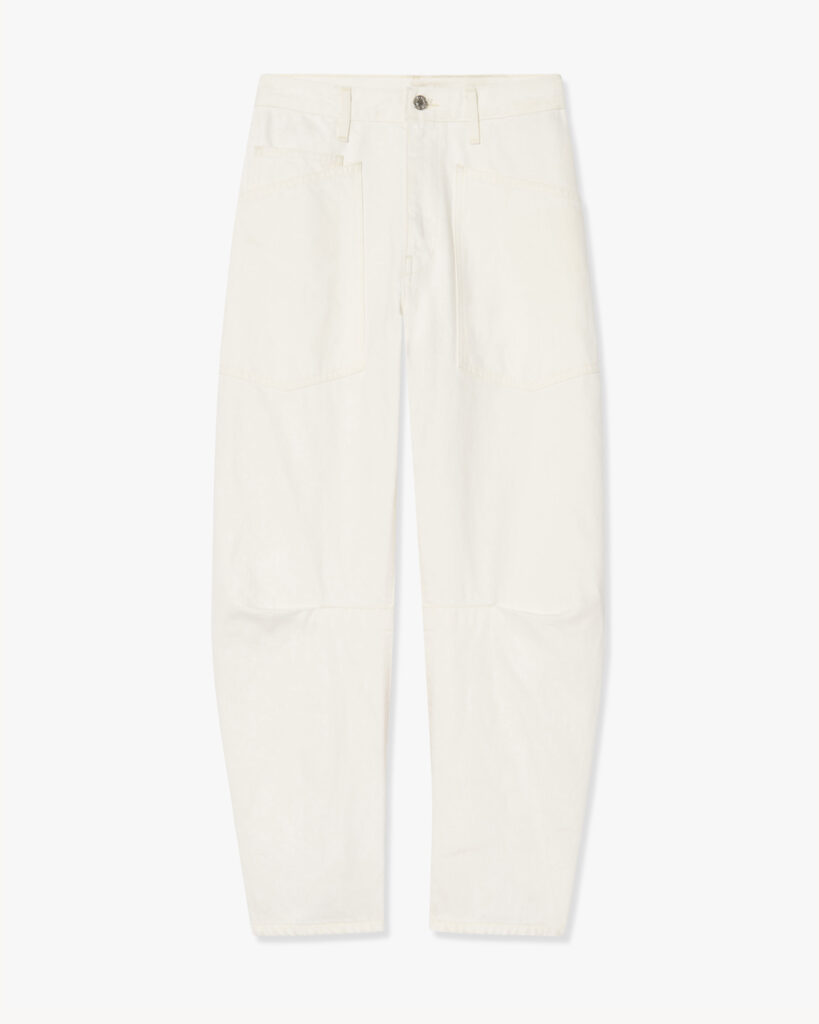
The models – named Celia, Shon or Mitchell – are not fashion statements, but cut proposals conceived as inhabitable structures. This approach takes shape at 183 Duane Street in New York, in a new concept store designed with the studio Objects of Common Interest. The space is designed to reflect the raw, utilitarian aspect of the material, far removed from the usual retail standards.
Images as dialogue
The current campaign, captured by Inez & Vinoodh, features Lou Doillon and Stéphane Manel. In front of the Maison’s flagship store, the image doesn’t seek to sell a product, but to document an attitude inherited from the 70s, where clothes take a back seat to personality. Here, luxury lies not in the outward sign, but in the coherence between a rigorous canvas and everyday use.
Technical details The Japanese denim fabric used by the Maison is renowned for its depth of dyeing and mechanical resistance. Washing, carried out by immersion and controlled abrasion in California, aims to stabilize the fiber while revealing the subtle nuances of the indigo pigment without altering the tension of the original weave.
The opening of this place dedicated to denim underlines a change in the market: the shift from the consumption of “novelties” to the quest for a personal heritage that we build, fold by fold, in the cotton of our own existence.



Cette publication est également disponible en :

