
On February 19, 2026, Defender unveils the seven international winners of the first Defender Awards. Behind the announcement, a clear strategy: to anchor the automotive brand in a story of concrete utility, by supporting humanitarian and eco-conservation projects on a local scale.
Each winner receives a grant of one hundred and twenty thousand euros, expert support and the use of a Defender vehicle for two years. The total commitment amounts to one million pounds. The scheme is therefore not limited to one-off funding; it includes a logistical tool designed as an operational extension of the projects supported.
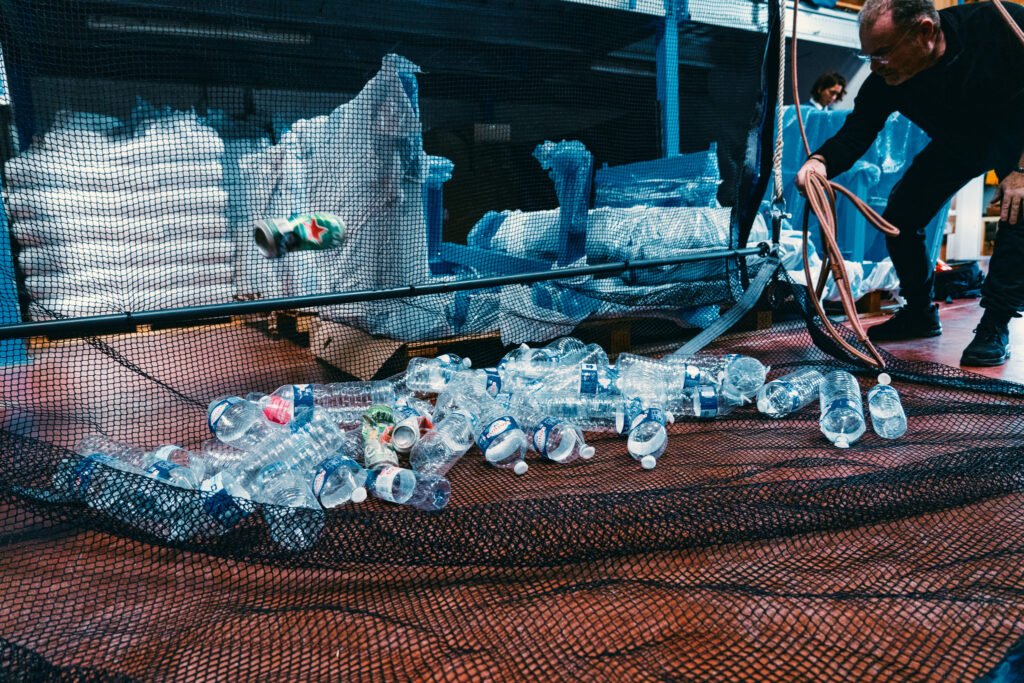
In France, the Blue Odyssey Initiative won an award for PolluSub . The findings are clear: every minute, the equivalent of a garbage truckload of plastic is dumped into the ocean, while ninety percent of macro-waste ends up on the seabed. This is the blind spot for public policy: the shallow coastal waters, a transit zone where recovery is still possible.
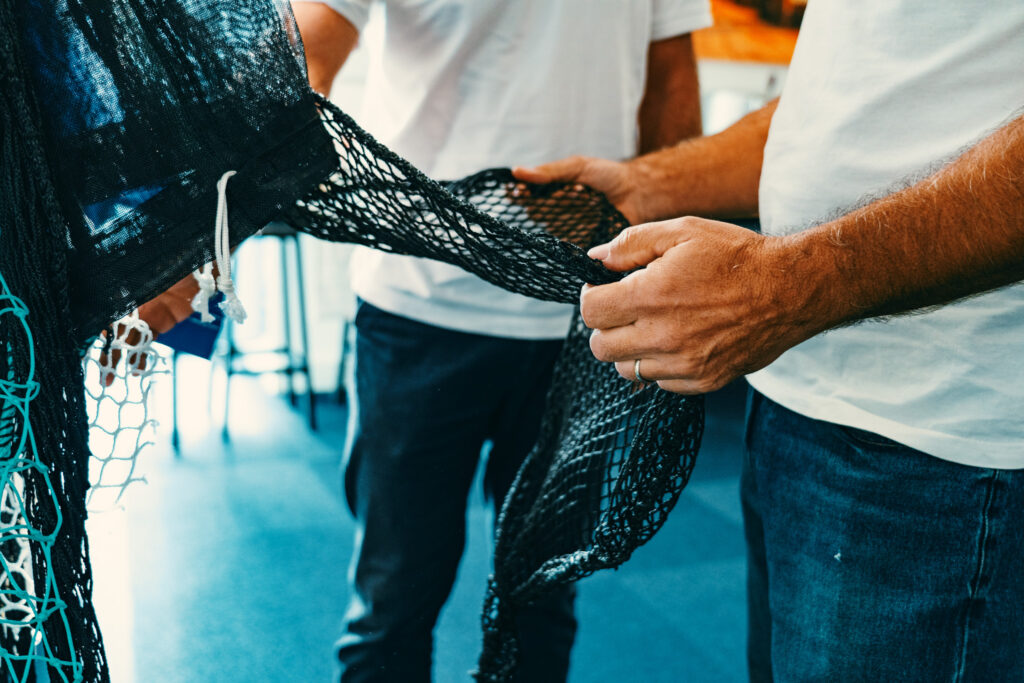
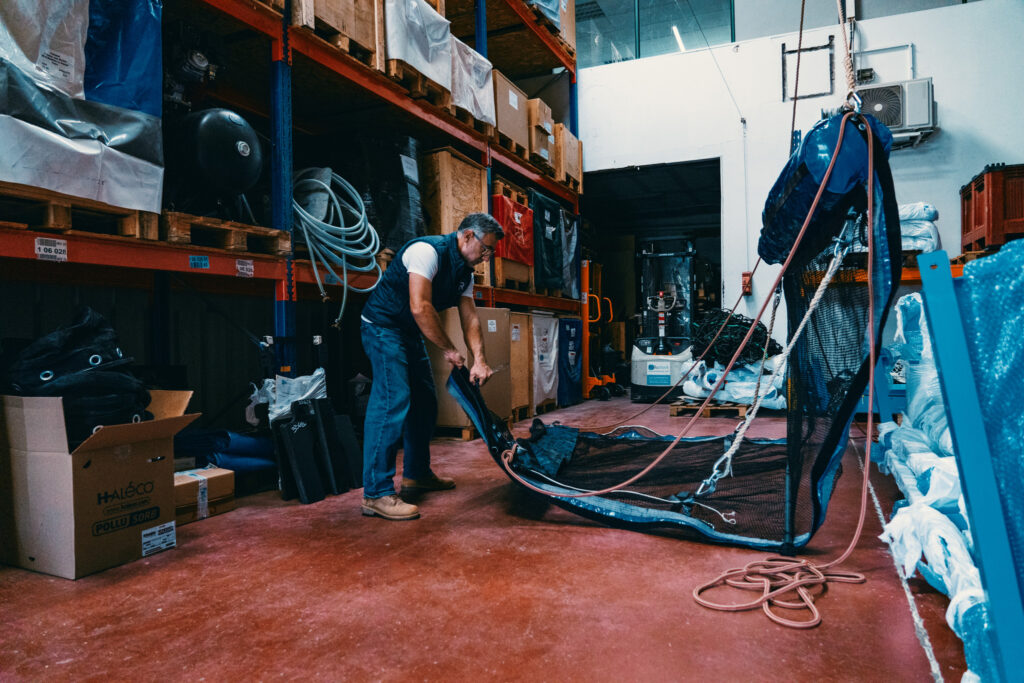
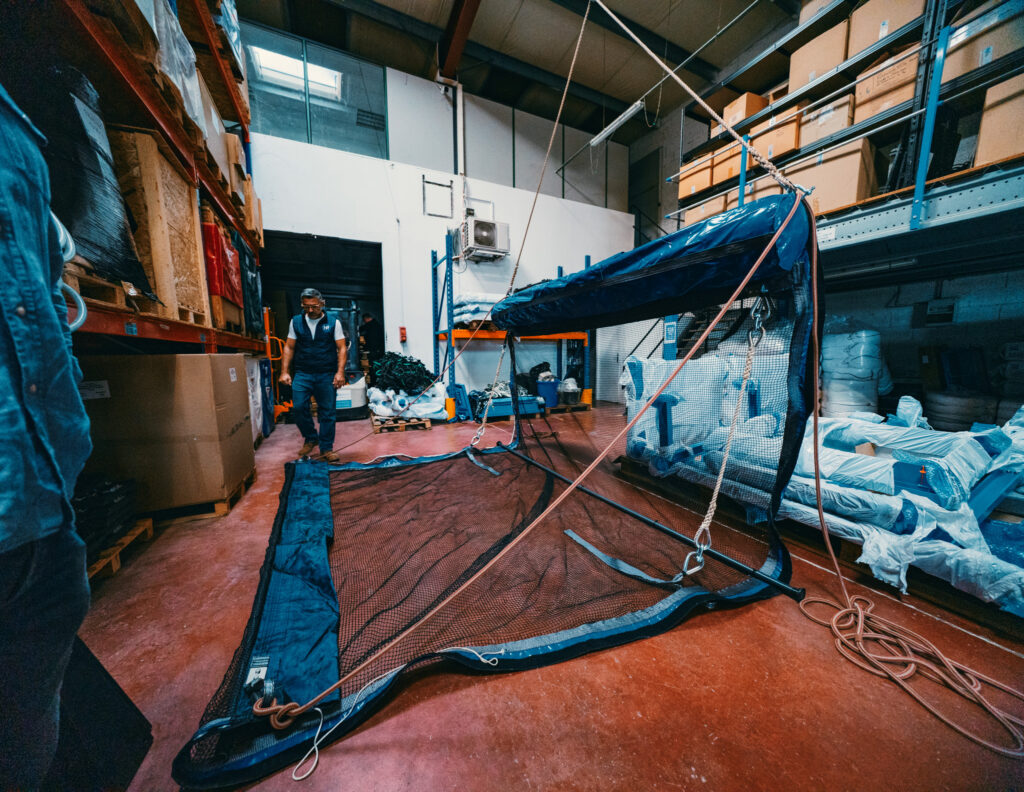
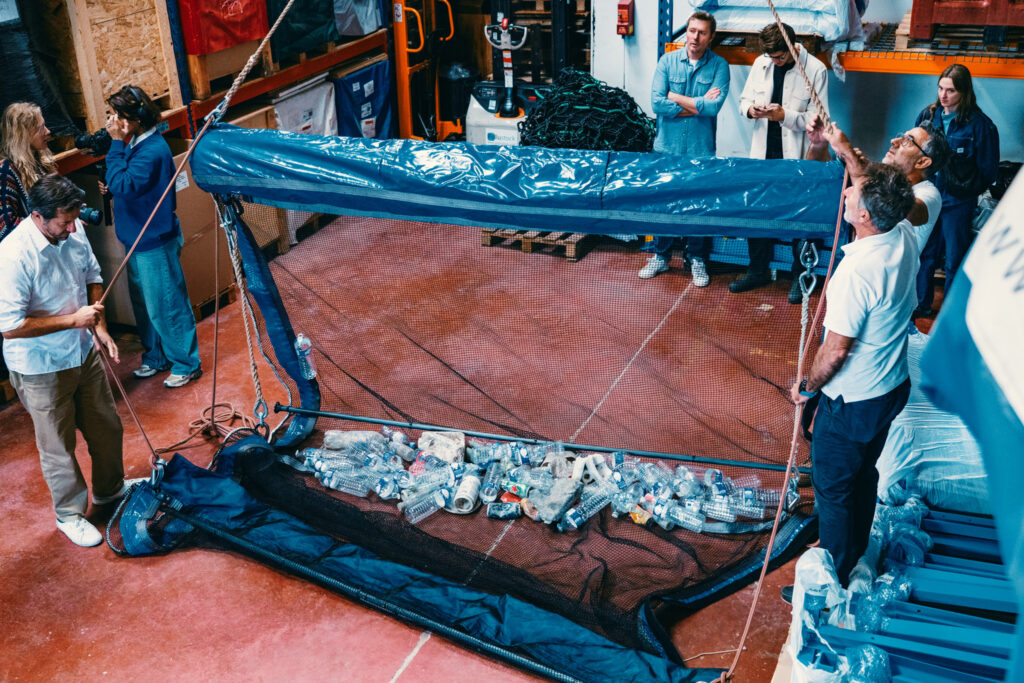
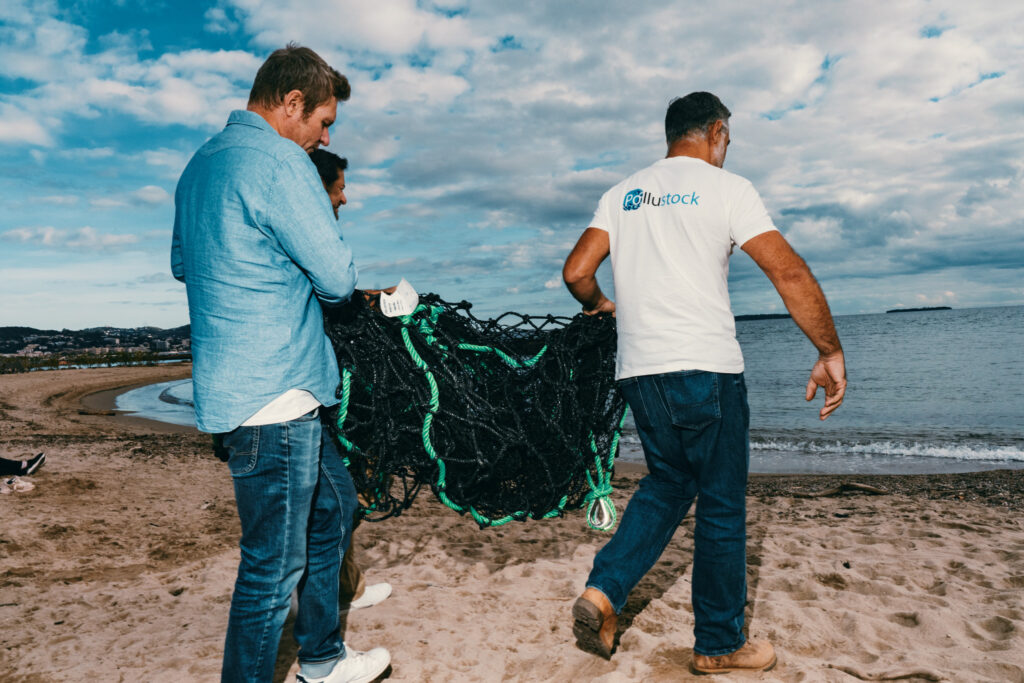
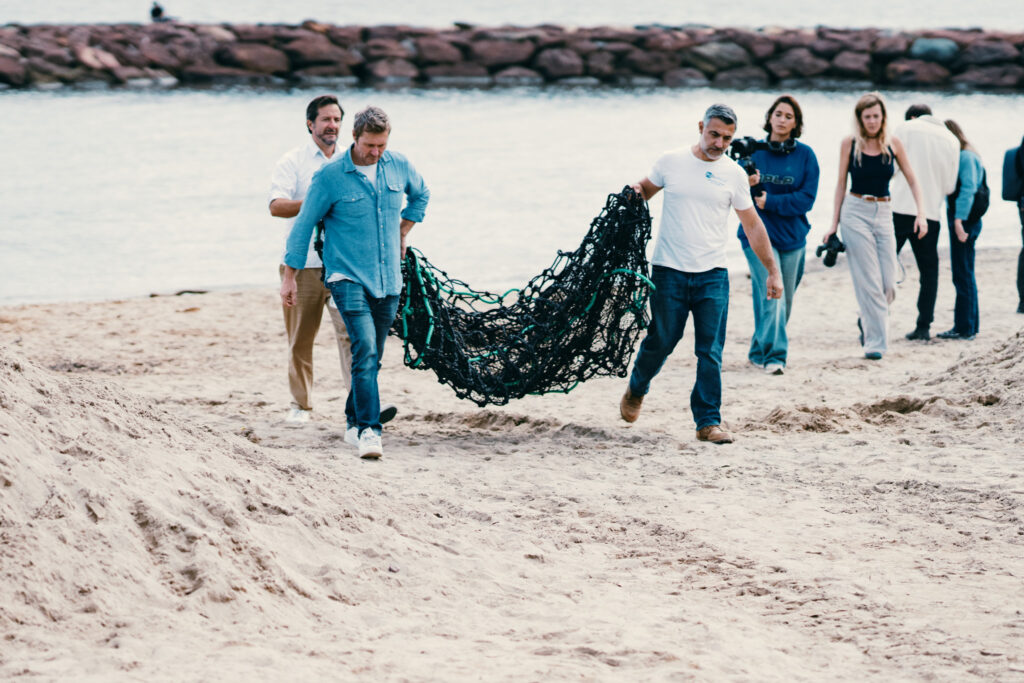
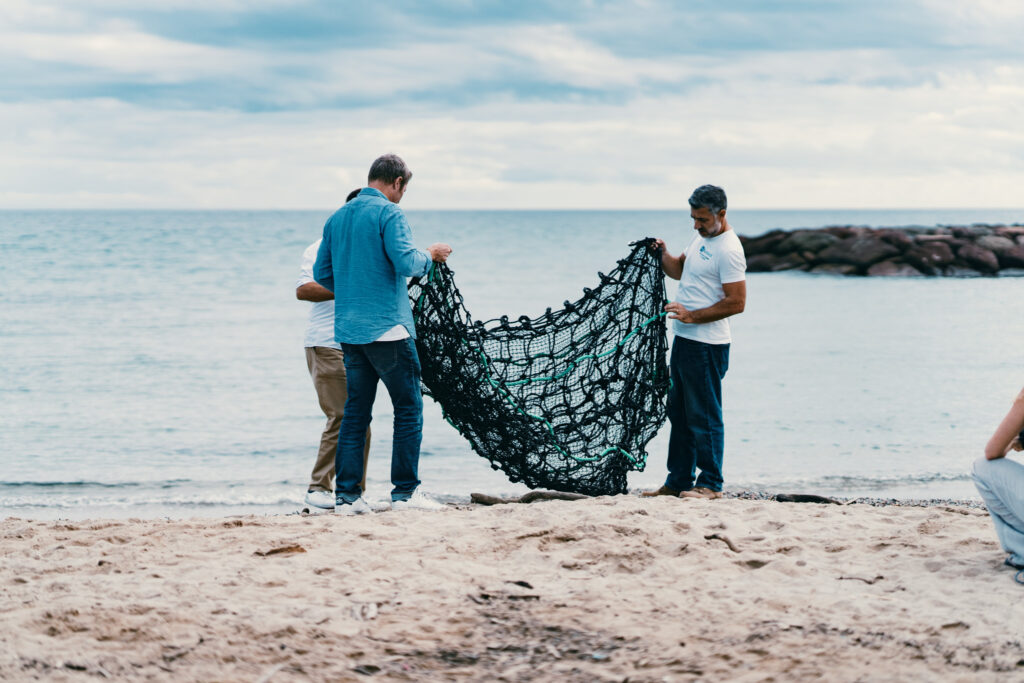
PolluSub proposes a passive, non-intrusive net, installed on the seabed, capable of intercepting waste transported by river and coastal currents. The year 2026 will be structured around three axes: scientific mapping of transit zones in partnership with Echos d’Océans (drones, dives, fixed HD cameras), 3D design and prototyping with Pollustock, followed by the deployment of one to three pilot sites. The stated aim is to establish the first French repository for underwater pollution of shallow coastal waters.
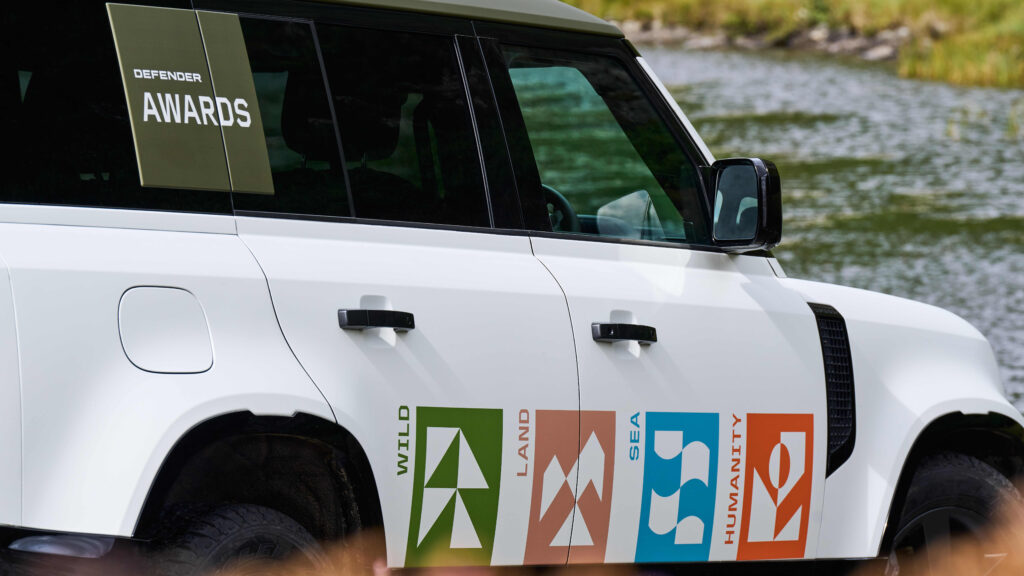
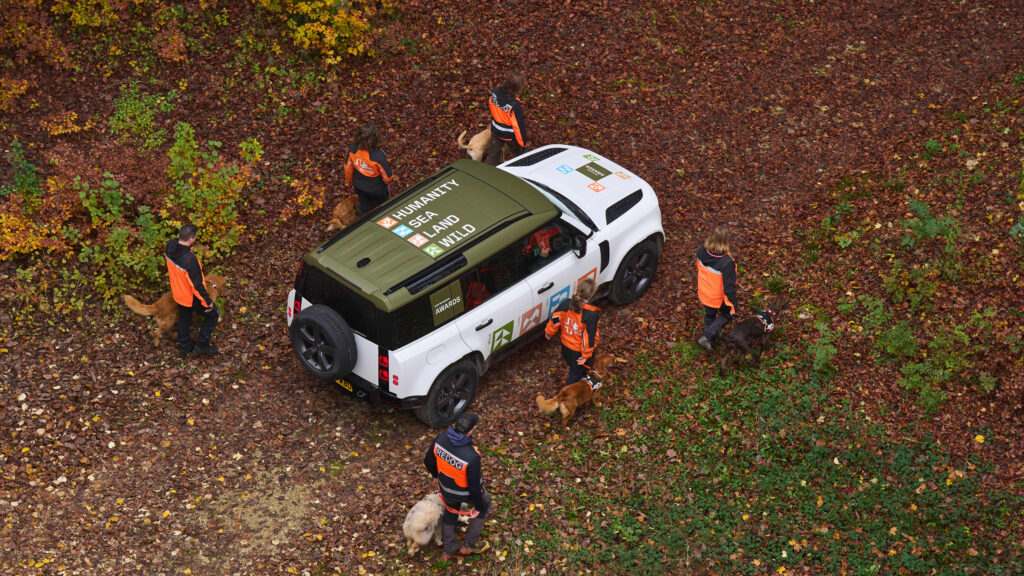
The Defender vehicle is no abstract symbol. It becomes a mobile base, a tool for transporting scientific equipment and a means of access to difficult coastal areas. Consistency is the watchword: the brand recalls its historic support for the British Red Cross over the past seventy years, and for the NGO Tusk in Africa over the past two decades.
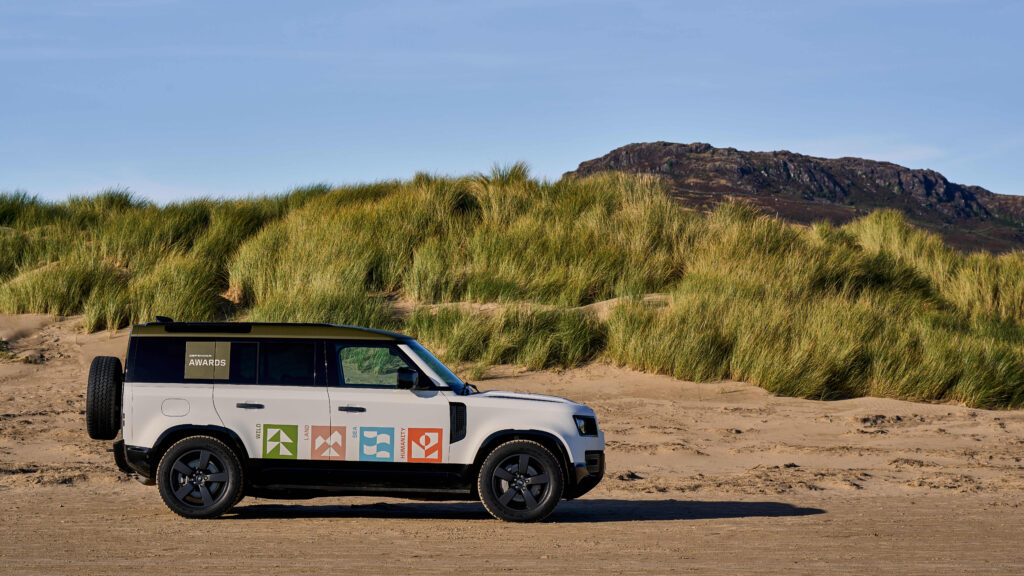
Internationally, the winners cover three areas: Land, Wild, Humanity and Sea. In the UK, Thousand Year Trust aims to restore four thousand hectares of Bodmin Moor and plant 1.28 million trees. In Italy, Salviamo l’Orso protects the Marsican brown bear, whose population is close to sixty individuals . In Australia, Skin Check Champions has carried out over twenty-five thousand skin screenings, detecting over six hundred melanomas . In South Africa, The Litterboom Project intercepts nearly five tons of waste per month in several rivers .
Presided over by Defender director Mark Cameron and conservation biologist Dr Moreangels Mbizah, the jury also includes profiles such as Bertrand Piccard for France. The choice of personalities underlines the environmental and exploratory orientation of the program.
Beyond sponsorship, Defender is working on its positioning: that of an emblem of mobility at the service of local causes. At a time when the automotive industry is under pressure to justify its footprint, a commitment to measurable, localized projects is a strategic response.
It remains to be seen how sustainable these initiatives will be. Environmental impact is not measured by announcements, but by the persistence of the measures in the field. PolluSub, if it succeeds in structuring a national scientific frame of reference, could become more than a pilot project: it could become a replicable model.


Cette publication est également disponible en :

