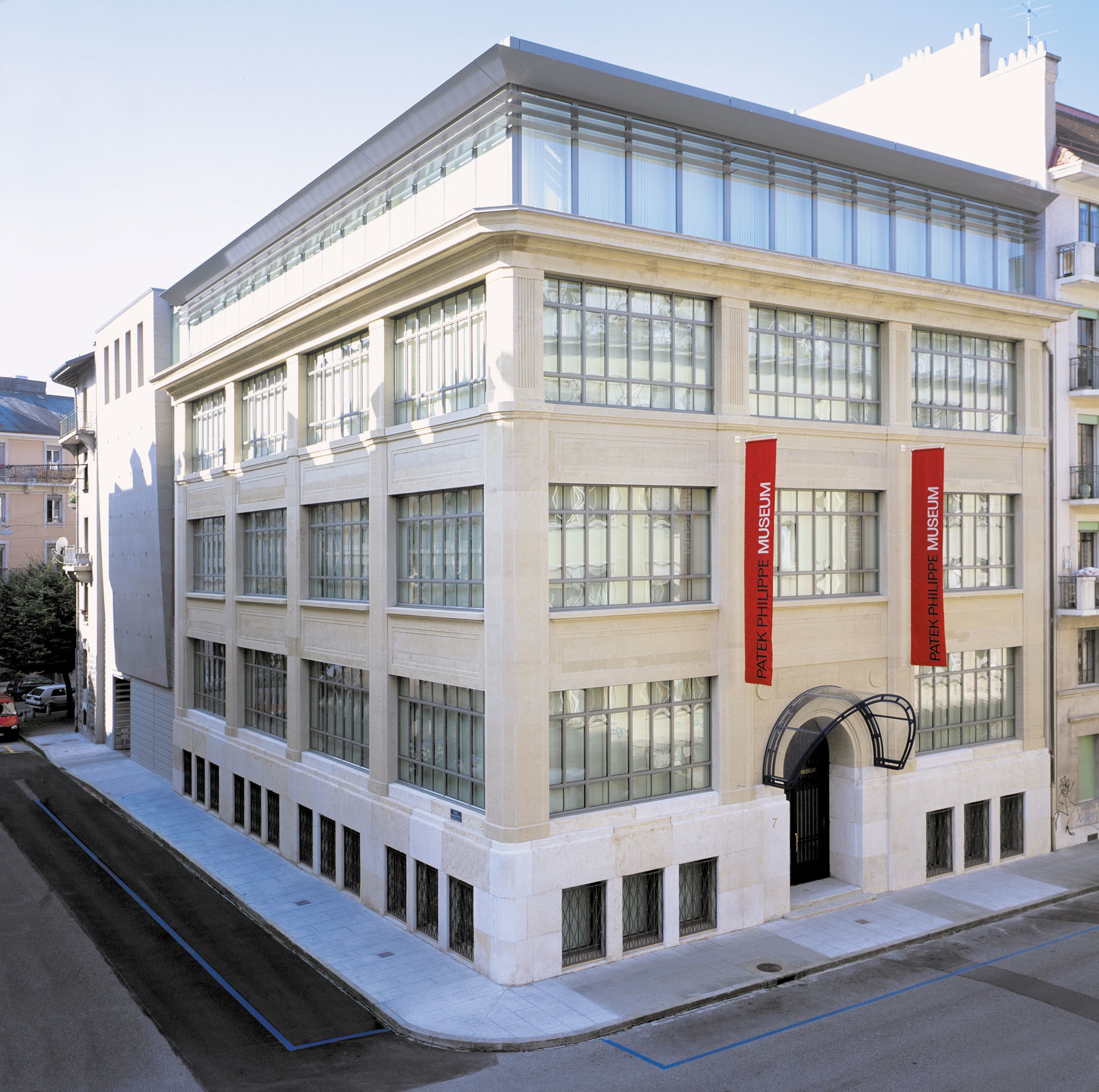
In Geneva, a must for watch lovers: the Patek Philippe Museum. Like a jewel box in the heart of the Plainpalais district, it is the ideal place to understand how the city became the cradle of watchmaking, and to admire some of the most beautiful pieces that have earned this art its letters of nobility.
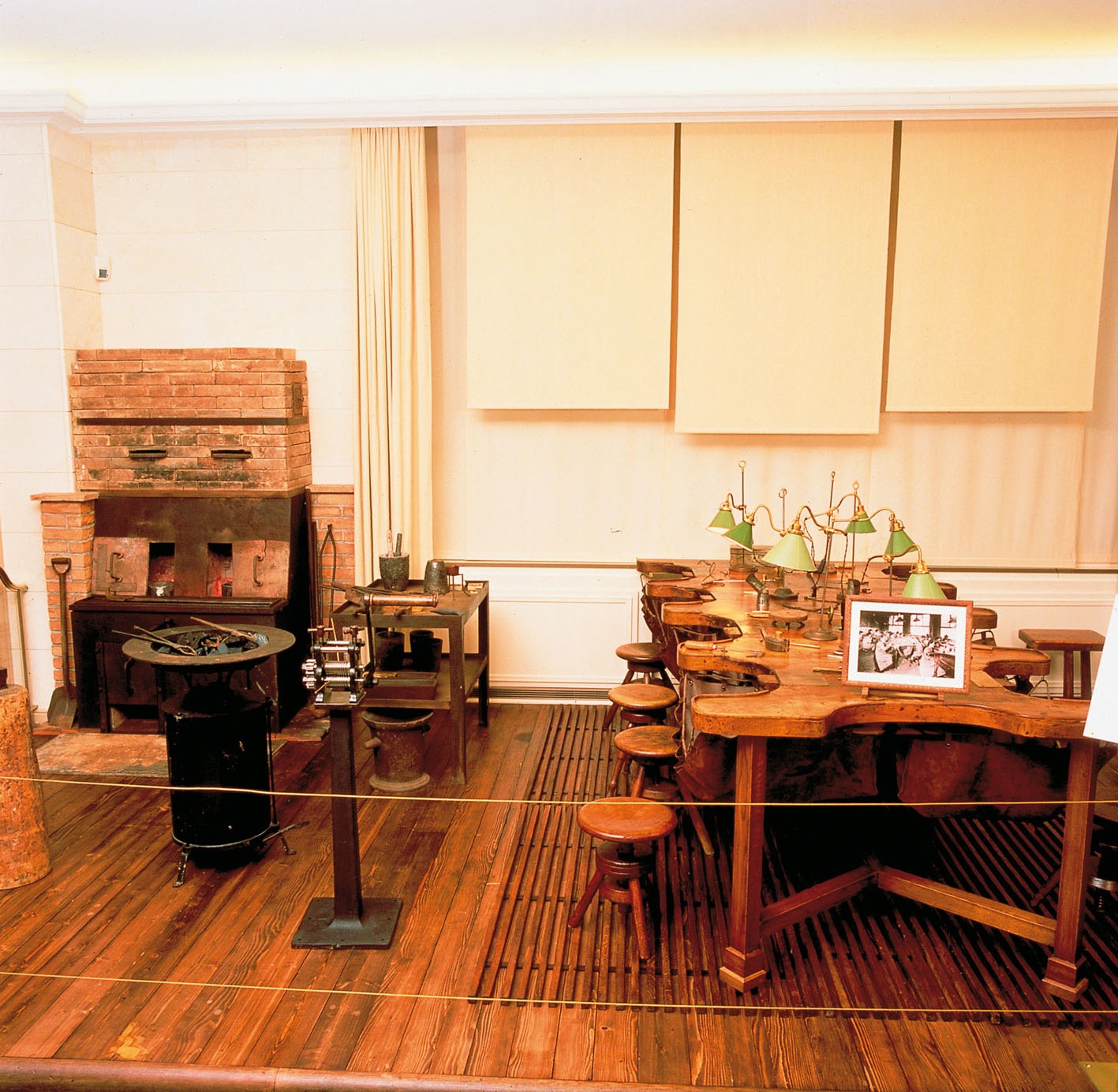
The relatively cold exterior of the Art Deco building gives way, as soon as you walk through the door of the museum, to a luxurious but welcoming atmosphere. On the first floor, old watchmaking, jewelry, engraving and enameling workbenches allow you to imagine the atmosphere of traditional workshops. One then goes directly up to the third floor, which presents Patek Philippe archive documents as well as a library of rare books dedicated towatchmaking.
It is in the second part that we really get into the heart of the matter. In a hushed and private setting, one discovers clocks and antique watches from the Geneva and European heritage. Very elaborate models created between the 16th and 19th centuries, which bear witness to an era when timepieces were above all a way of showing off one’s wealth. But the watch is not yet worn on the wrist. For men, it is incorporated into a brooch or suspended from a chatelaine for women.
The development of watchmaking in Geneva in the 16th century was largely due to the wave of
of French Protestants – including many craftsmen – having taken refuge in the city of Lake Geneva, which thus benefited from precious know-how. Goldsmithing and enamel painting are put to the benefit of watchmaking, which never ceases to amaze. The collections presented here allow to appreciate an impressive variety of watches, as such or associated with various objects of the everyday life: ladies’ sets, fans, knives…
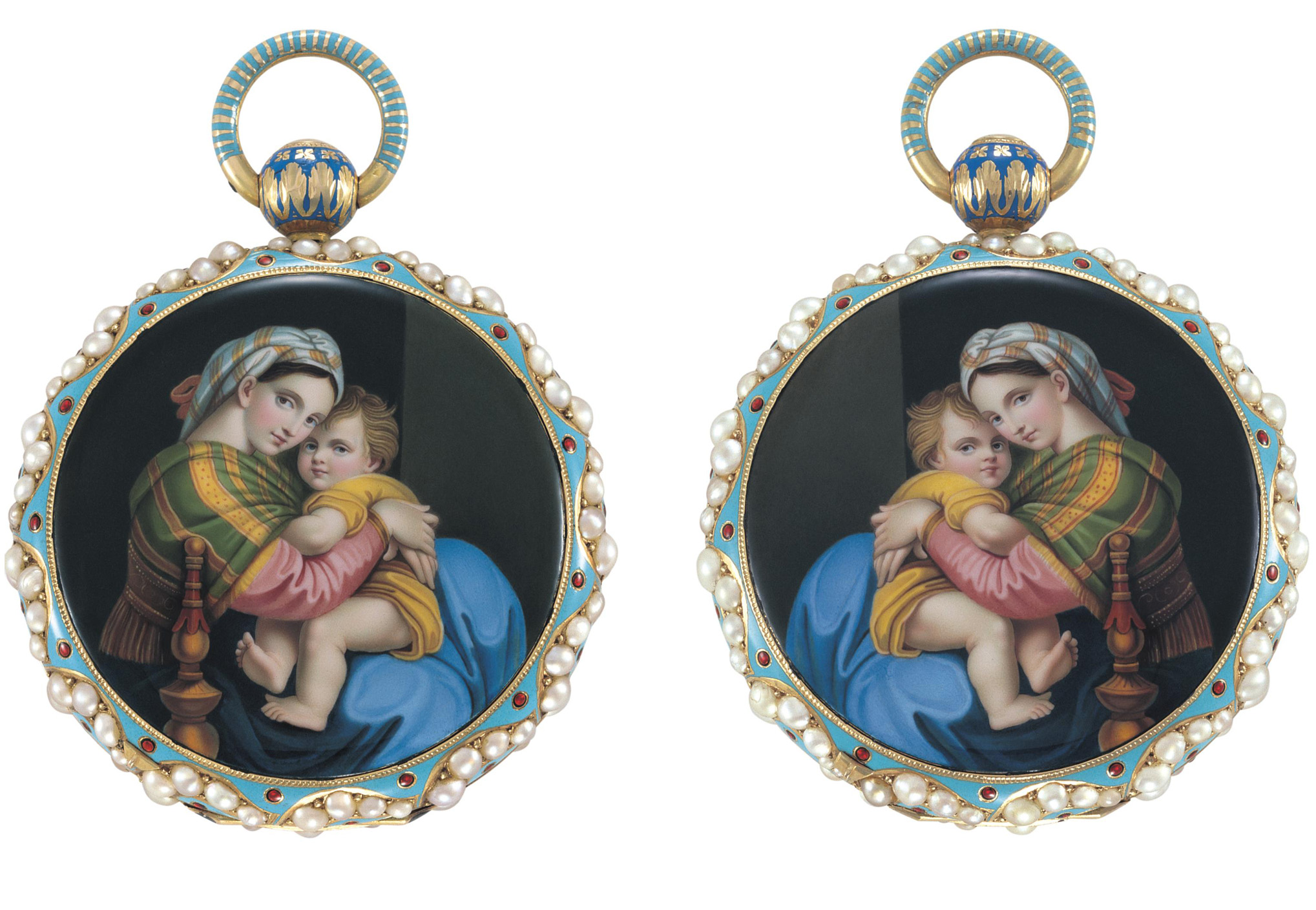
The viewer discovers little by little how the art of watchmaking also becomes science, how technical perfection is joined to aesthetic perfection. This exceptional mastery of watchmaking was exported to Turkey and then to China at the end of the 17th century. Several examples of Chinese watches, created in pairs according to the Taoist philosophy of jing and yang, are presented.
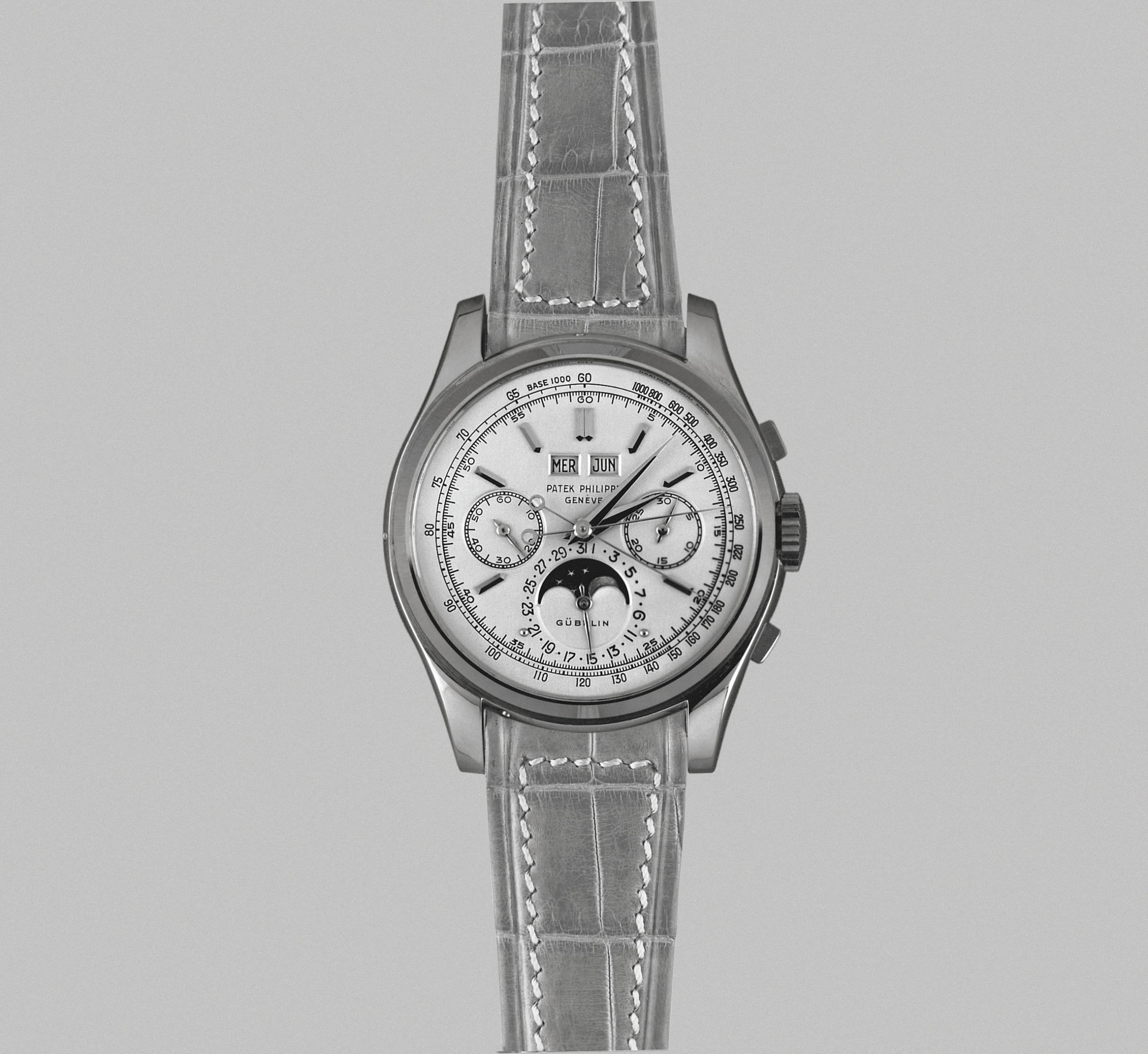
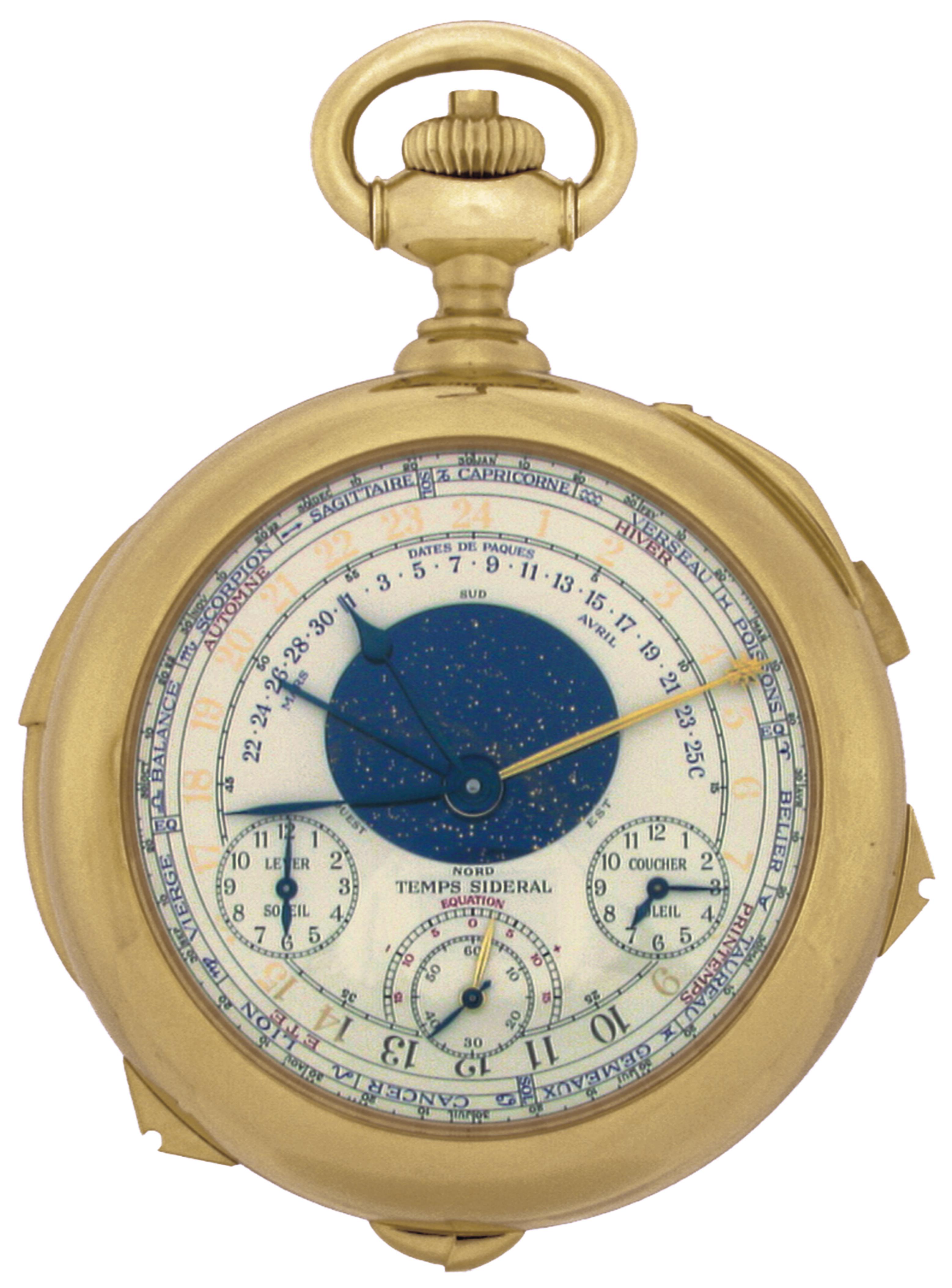
The visit ends on the second floor, where we finally discover the Patek Philippe models, from the very first ones of 1839 to those of today. One can admire Art Nouveau, Art Deco, world time models and of course a wide range of wristwatches, which became essential from the 1940s. We also discover models that testify to the importance that Patek Philippe attaches to the art of craftsmanship, including some decorated by Suzanne Rohr, one of the last miniaturists on enamel who works exclusively for Patek Philippe (and unfortunately does not wish to transmit her knowledge). A very nice proof of the proximity between craftsmanship and luxury.
Patek Philippe Museum
7, rue des Vieux Grenadiers,
1205 Geneva
Tuesday to Friday, from 2pm to 6pm. Saturday, from 10am to 6pm. Closed on public holidays.
Guided tour every Saturday at 2pm and by appointment.
Isabelle Huber
-

- The Madonna della Sedia after Raphael (1483-1520). Pair of Chinese watches. Triggering of automatons and music at the passage of the hour or on demand – Piguet & Meylan, Geneva. Enamel attributed to Jean-Abraham Lissignol, Geneva – circa 1820.

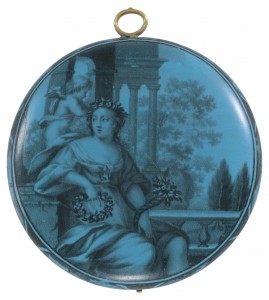
- Flora and Cupid. Bassin watch in “grisaille” on a dying blue background – Henry Grendon, London. Enamel attributed to a Huguenot workshop established in London – circa 1645-50.

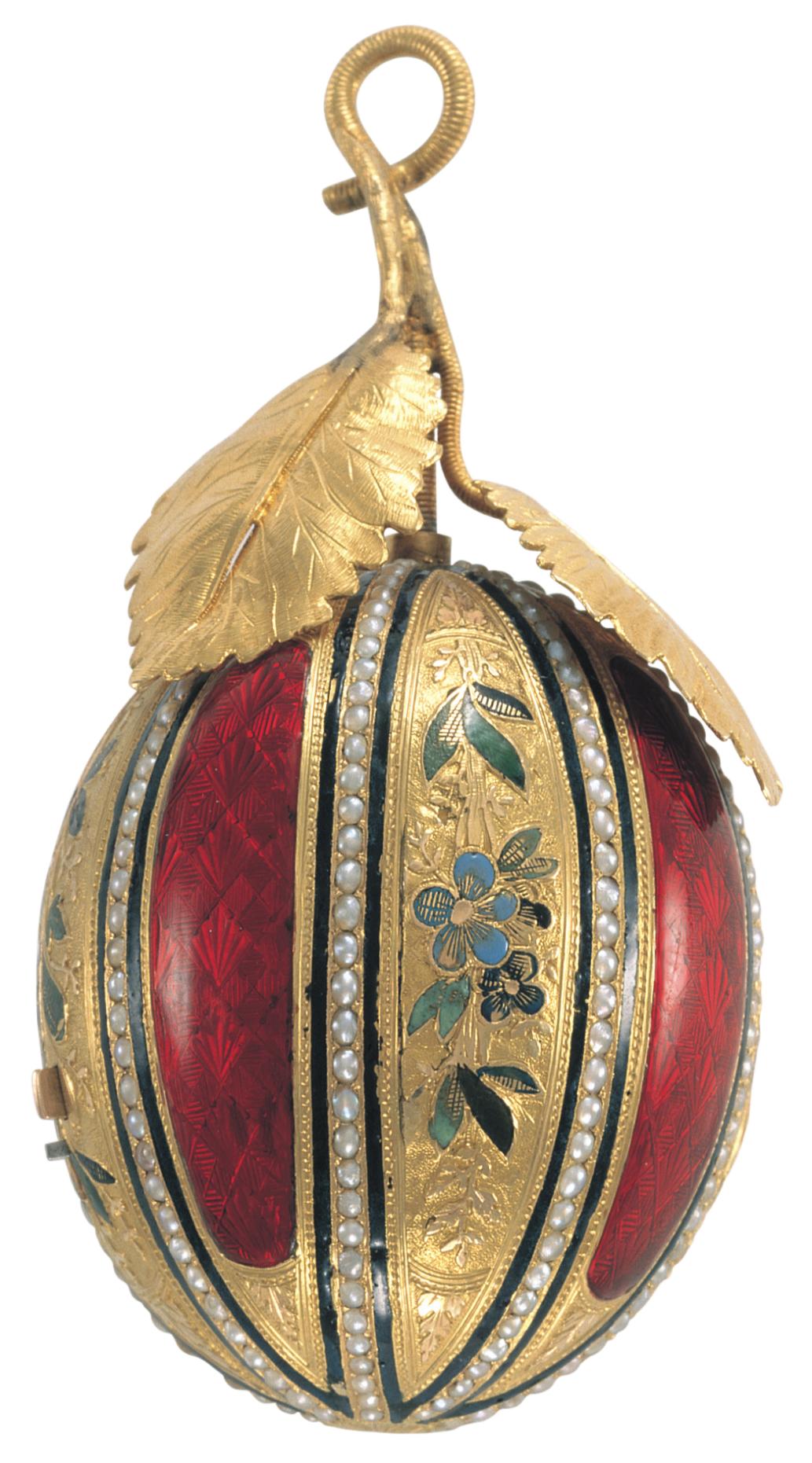
- The Melon. Pendant watch with automata and music – Piguet & Capt, Geneva – circa 1810.

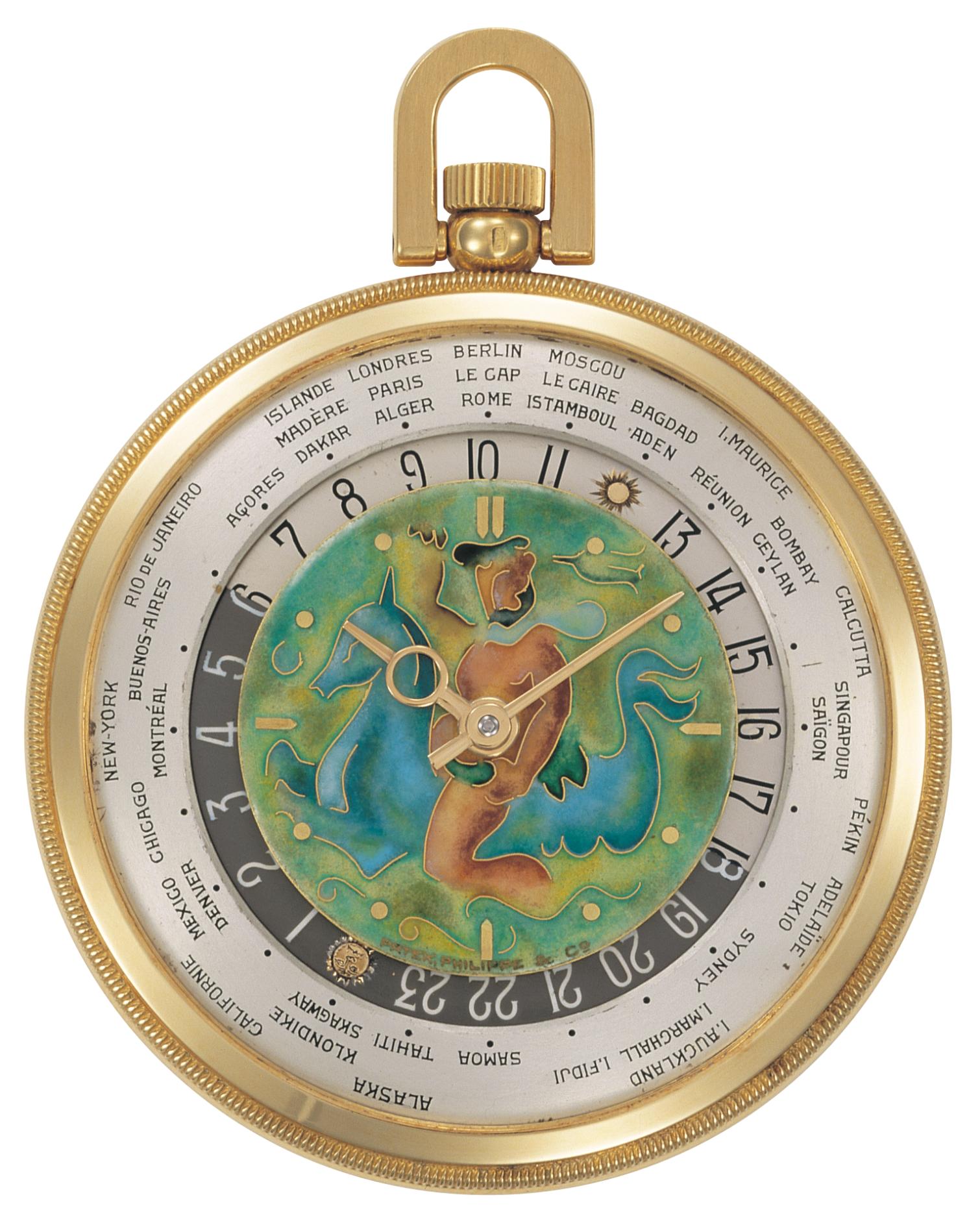
- Patek Philippe & Cie, Geneva. Suit watch of the discovery type with pendant winding and Universal Hours indicating the names of 42 cities, regions or countries of the world with polychrome cloisonné enamel dial representing Neptune riding a seahorse – 1945. Issued on 14 November 1945 to Th. Beyer, Zurich (Switzerland).
Cette publication est également disponible en :