

A few days ago, Luxsure set off to discover the vins de pays of Charente, a region best known for its cognac, but which is now gaining recognition for its quality wine. Over the course of two days, we met some passionate and demanding winemakers, and some astonishing wines to be discovered as a matter of urgency.
Here are the highlights of our visit:
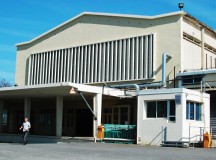
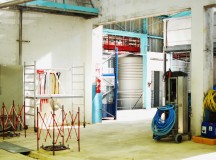
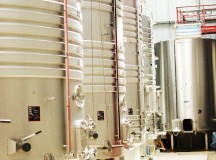
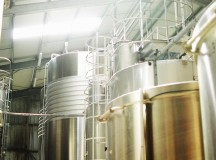
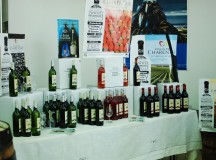
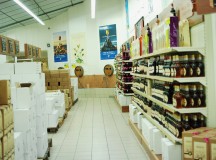
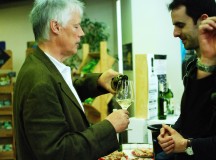
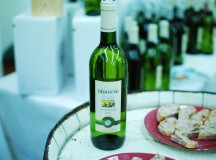
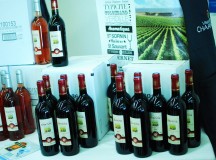
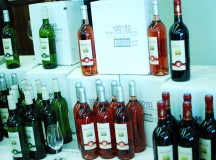
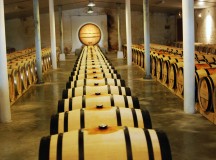
Visit to the Cave Coopérative Charente Alliance in Saint Sulpice de Royan



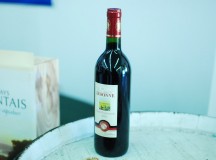
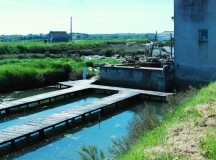
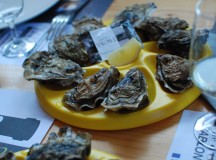
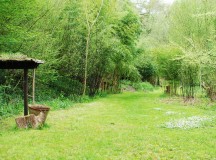
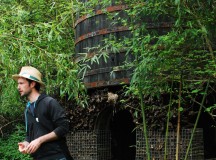
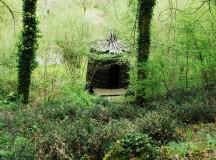
Unusual lunch at the Cabane Buissonière
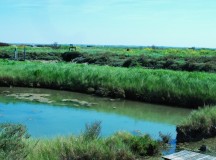
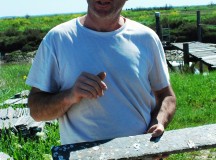
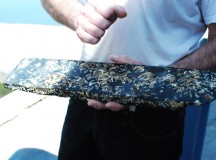
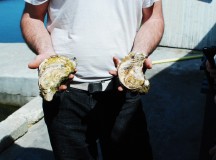
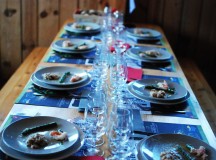
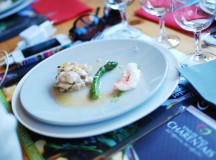
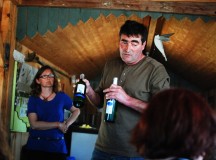
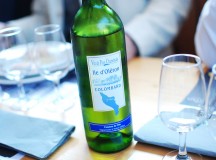

Meet Stéphane CAZULET, winemaker

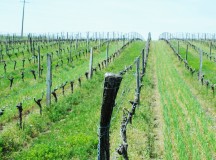
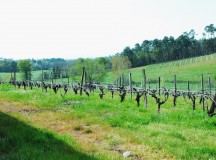

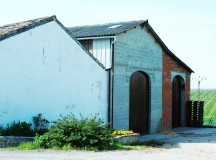
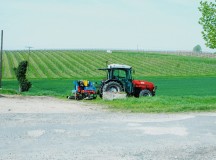
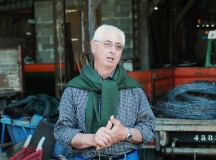
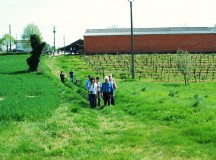
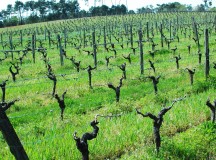

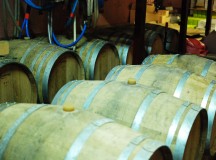
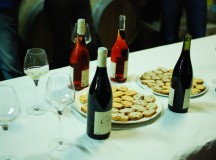
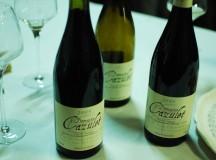
Visit to Caroline and Mathieu QUERE-JELINEAU’s estate
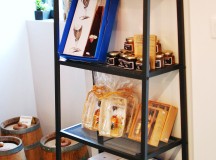
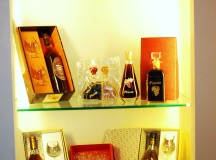
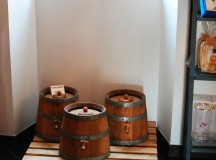
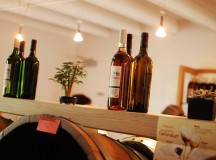
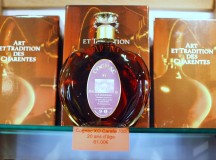
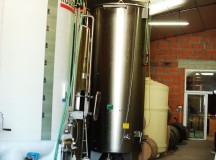

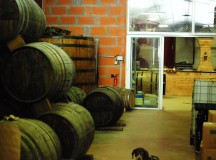
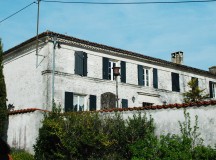
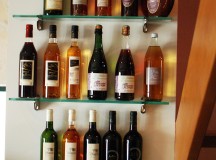
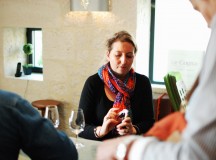
Meeting at the Domaine MERLET bottling center
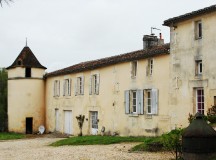
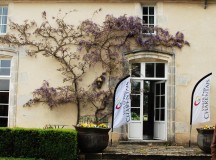


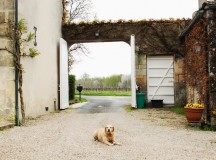
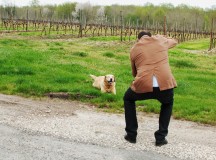
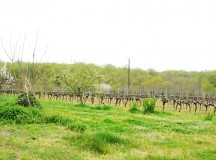


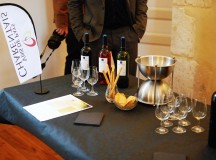


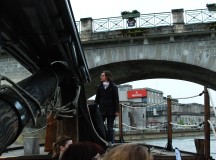
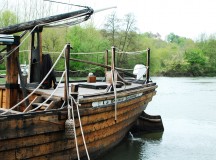
Journey along the water, aboard a Gabare
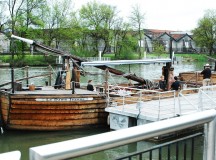
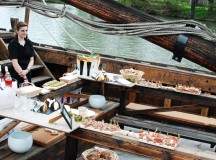

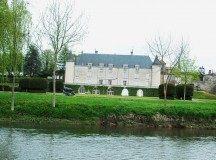
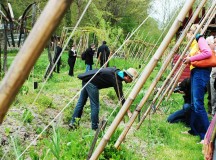
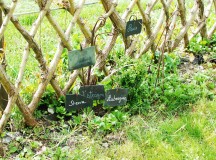
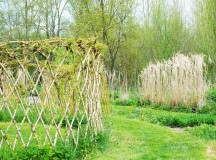
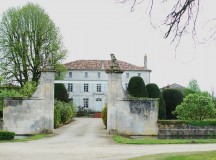
Château de l’Yeuse: Discover the Respectful Gardens
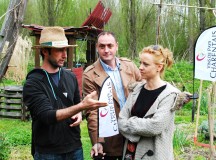
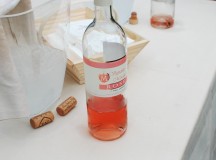
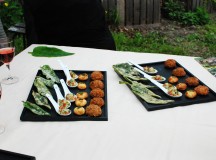


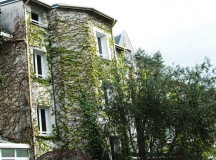
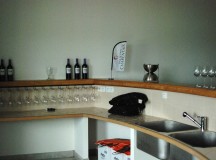
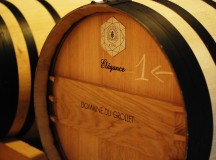
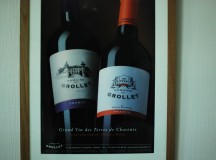
Wine tasting at Domaine du Grollet


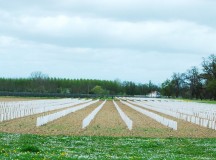
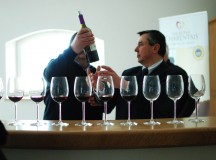
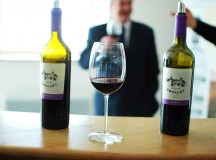
A little history.
The first traces of a vineyard for the production of still wines in the Charentes region probably date back to the end of the 3rd century, when the Gauls were granted the privilege of owning vines and producing wine. Gradually, and especially from the end of the 20th century, the Charente became a cognac-producing region. However, economic difficulties from 1973 onwards meant that Cognac production was restricted, prompting winegrowers to diversify. From then on, they invested in the production of higher quality still wines, recognized by decree as “Vin de Pays Charentais” in 1981. That same year, 2,000 hectares of vines were allocated to the production of “Vins de Pays Charentais”.
Initially, the winemakers concentrated on vinifying the most widespread white grape varieties, such as Ugni Blanc B and Colombard B, but soon moved on to a selection of more aromatic varieties, already established locally, such as Sauvignon B, Chardonnay B and Chenin B. By 1985, “Vins de Pays Charentais” were being produced in all three colors. This expansion in red wine production was also accompanied by a choice of more “noble” grape varieties, such as Merlot N, Cabernet-Sauvignon N, Cabernet-Franc N, Gamay N and Pinot Noir N.
This selection of grape varieties is part of a more global approach to quality, which includes the selection of more suitable rootstocks, more rational vine planting and the acquisition of new winemaking skills by winegrowers, who then benefit from technical support from local professional agricultural organizations.
Red, white and rosé!
Reds – Racy and full-bodied!
They have the aroma of noble grape varieties: Cabernet Franc, Cabernet Sauvignon, Gamay, Merlot and sometimes Pinot Noir. A generous partner for meals with family or friends, they reveal all their finesse after six to twelve months’ bottle ageing.
Enjoy at the ideal temperature of 16°C.
Suggested food matches: cold meats, red meats, savoury tarts, cheeses.
Rosés – Nuanced & delicate!
They are appreciated by gourmets who like a fresh, fruity wine on their table that combines pleasure and elegance.
Rosés are best enjoyed chilled.
Suggested accompaniments: salads, grilled meats, exotic dishes and fruit cups.
Whites – Dry, light & subtly perfumed.
They are made from Chardonnay, Colombard and Sauvignon grapes.
Whites can be enjoyed chilled with meals or as an aperitif.
Suggested accompaniments: fish, seafood, white meats, goat’s cheese, sweet tarts.
Its features
The geographical area of the “Charentais” Protected Geographical Indication covers the whole of the Charente and Charente-Maritime departments.
It is the northern terminus of the Aquitaine basin, lying between the Gironde estuary to the south, the Atlantic Ocean to the west, the Poitevin marshes to the north and the foothills of the Massif Central to the east. The Charente River flows through the region, which takes the form of a succession of plains with little relief. The geological substratum consists mainly of sedimentary rocks accumulated on the seabed during the Secondary Era.
The most frequently encountered soils are clayey-limestone on limestone, as in the Saint-Sornin area, but can vary according to their degree of decarbonation and clay content. Sandier soils can be found in coastal areas and on the islands of Ré and Oléron.
The “Charentais” Protected Geographical Indication, initially recognized as “Vin de Pays Charentais” by the decree of March 5, 1981, is the subject of a specification which sets out the following production conditions:
the name of the protected geographical indication
additional indications and geographical units
the production area: territory of Charente and Charente-Maritime
yield per hectare: 90 hl/ha maximum
vine training methods: planting density
wine analysis conditions: wine degree and acidity, for example
grape varieties authorized for the production of Vins de Pays Charentais.
Cette publication est également disponible en :

