

For just one day, the Mayenne region has deployed all its know-how to seduce weekend cultural and gastronomic enthusiasts. Ste Suzanne, about an hour by train from Paris, is a superb medieval village. On this Sunday, the village was decked out for an incredible event. In front of the château museum, Michelin-starred chefs concocted a delicious and surprising picnic. 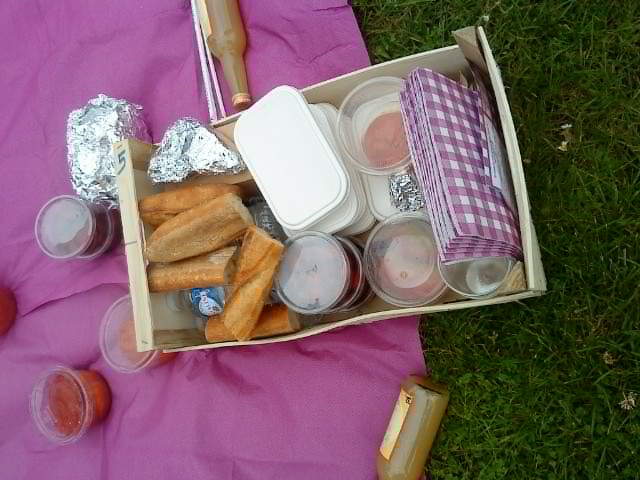
Sylvain Fouilleul (Le Bistro de Paris-Laval), Pascal Favre d’Anne (Le Favre d’Anne- Angers), Eric Guérin (La Mare aux oiseaux- St Joachim), Jean-Yves Herman (La Maison d’Elise-Le mans), temporarily left their respective restaurant kitchens to prepare some particularly tasty dishes. For the modest sum of 5 euros, it was possible to enjoy a very pleasant packed lunch. Five dishes were included. A Club Sandwich with smoked trout from Parné-Sur-Roc offered an introduction to local fish farming. Cooked by S. Fouilleul, the trout revealed delicate flavors. The flesh was soft and flavorful. This was followed by a Tomate cœur de Bœuf confite au Citron Vert, revealing Eric Guérin’s dexterity in using lime as a condiment. The supreme of Poulet de Loué and its vinaigrette was succulent. Jean-Yves Herman highlighted the quality of this poultry. The dessert, a strawberry Bijane, was a surprise. This cold soup made from sweet red wine was an interesting proposal for a summer meal. Pascal Favre d’Anne perfectly combined the red wine with the delicacy of the fruit. 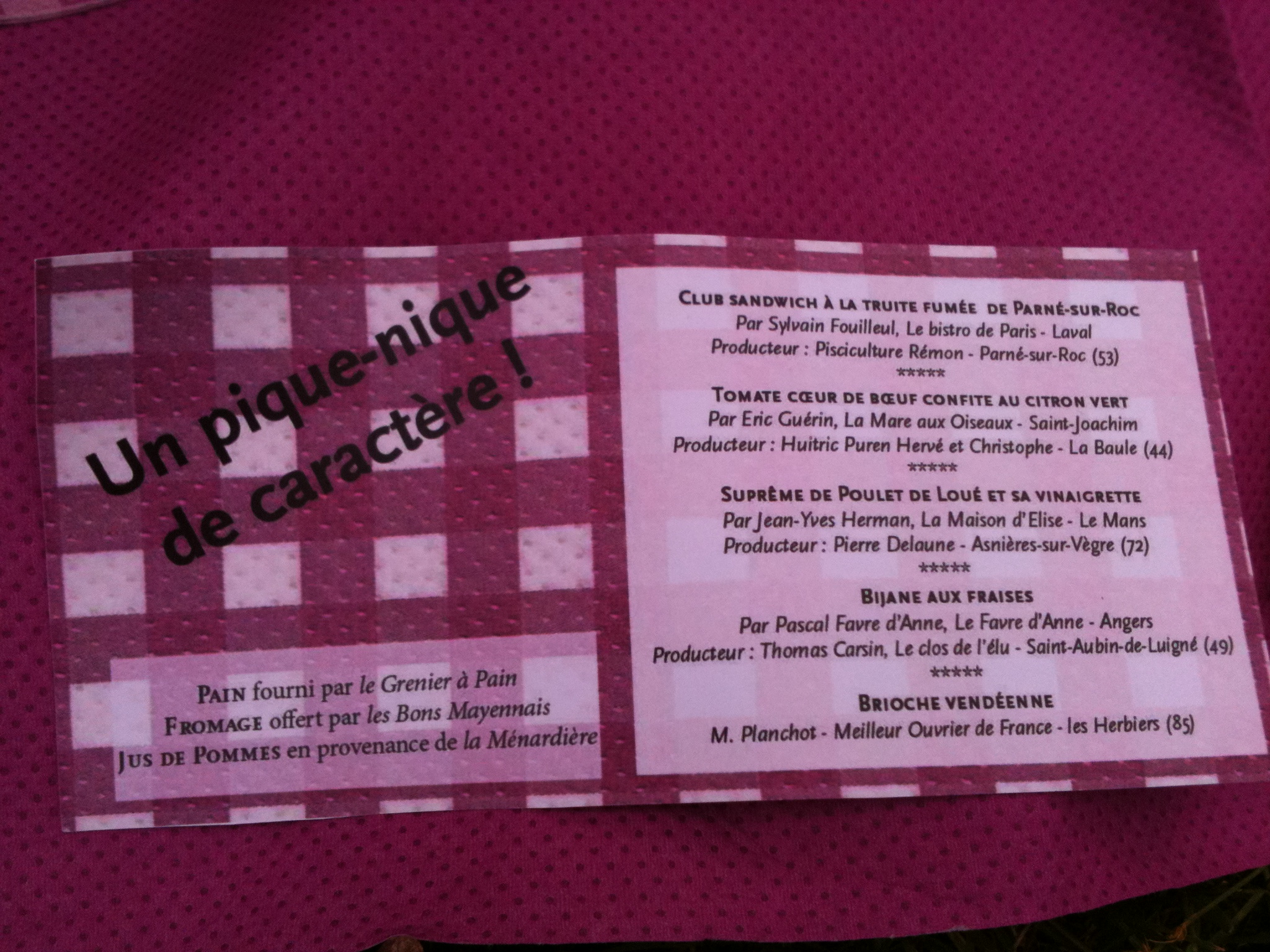
A Cointreau-based cocktail, Cointreaupolitan, gave the aperitif a playful twist. A French version of the Cosmopolitan, it offered a glimpse of the nuances of the French spirit made from orange peel.
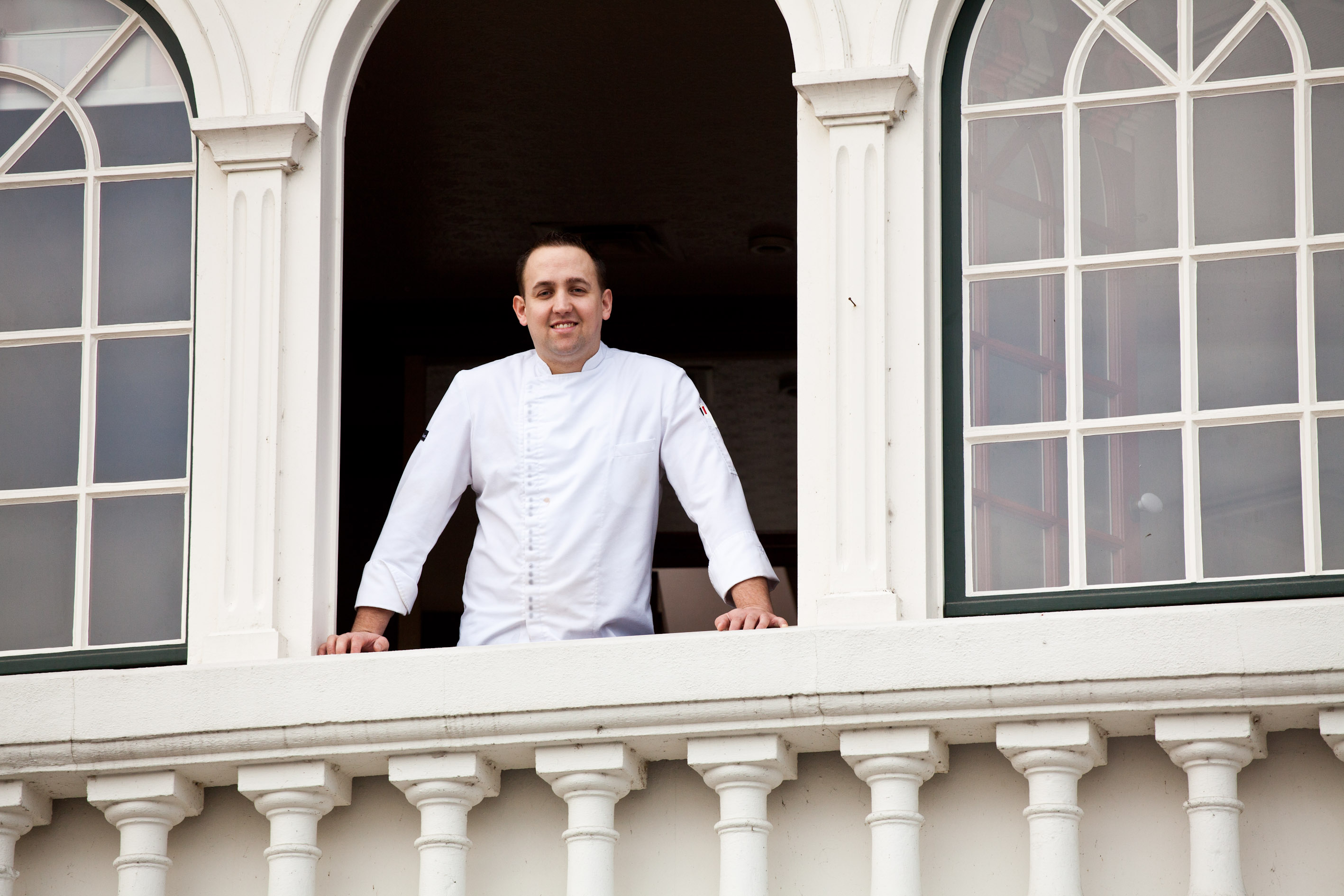
Photographer Jean-Philippe Berlose has paid tribute to the talent of the various chefs. Portrait by portrait, he reveals the facets of each of them. 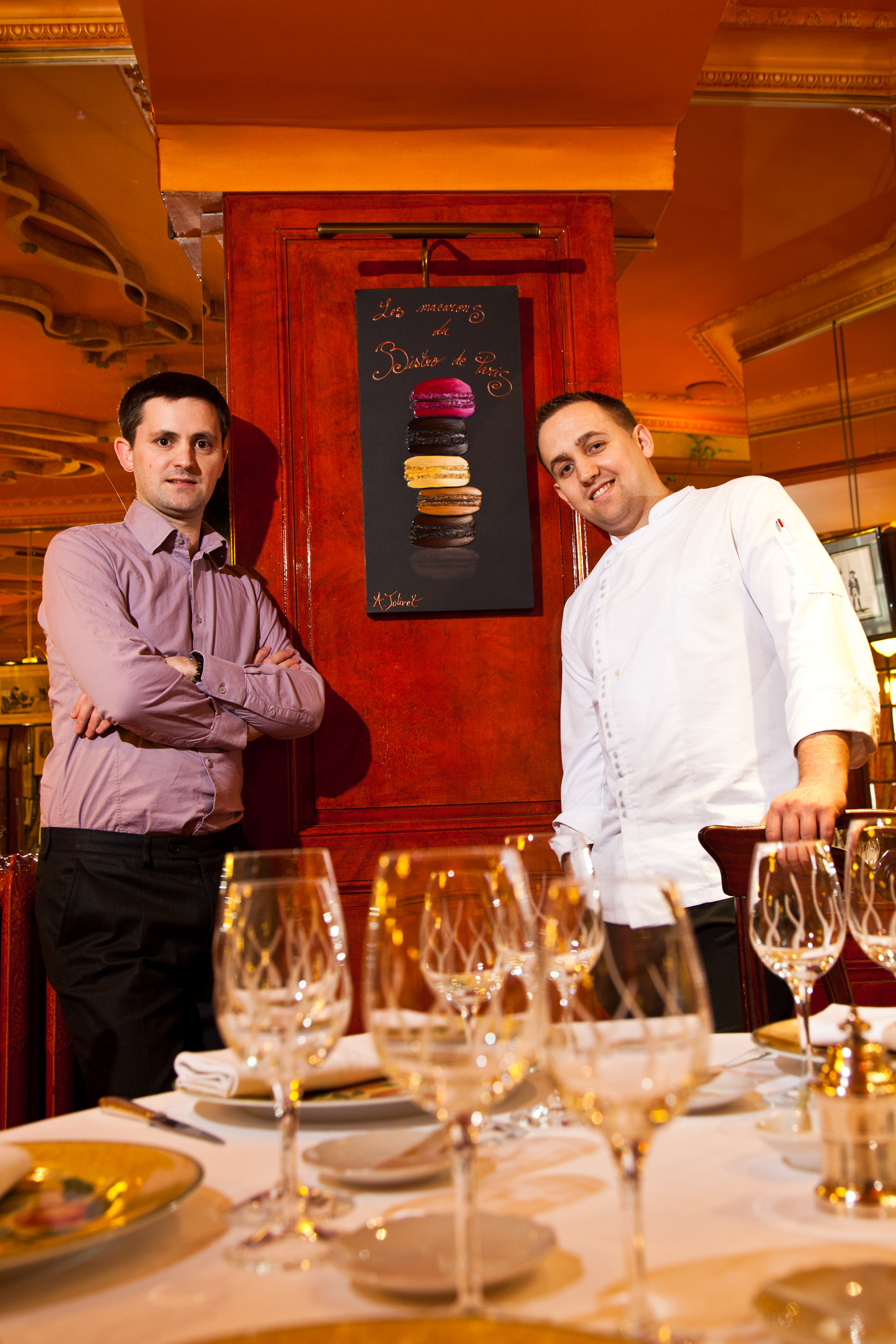
Inside the ramparts, a village of local producers was very attractive. Gourmets were able to sample their products. Every stand was of interest. Cheesemakers, winemakers, etc., all demonstrated the interest of such products for French gastronomy. The diversity of the cheeses was particularly noteworthy. Ferme La Grande Chouannière offered fresh goat’s curds, as well as the cendrés so characteristic of the region. Marieke de Kam, a native of the Netherlands who has lived in the region for 17 years, showed off the subtlety of her goudas. Made from raw cow’s milk, each one was unique. The plain ones were very interesting, but the flavored ones were even more so. Nettle gave one of them an extraordinary finesse. Another, with mustard, also whetted the appetite. Marketed under the name Le Petit Marie, the various mustards deserve their due recognition. Far more than mere variations, each ‘version’ is justified. 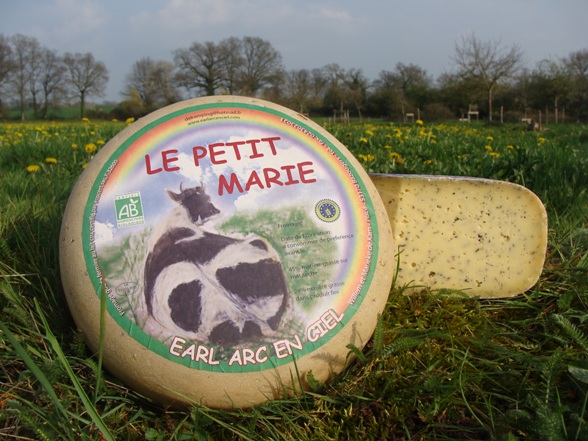
Entrammes is a recent creation. However, it is still made according to the traditional methods used in Mayenne. Made from raw cow’s milk, it is a pressed, uncooked cheese. Its fruity taste lingers on the palate.
Bons Mayennais dairy and cheese products were part of the adventure. This brand, created in 1912 by Mr Le Masne de Brosne, collects milk directly from Mayenne producers. This pasteurized milk is used to make a range of products, from butter to a variety of cheeses. (Coulommiers, Camembert, etc.). Very close to the local terroir, it has decided to celebrate its 100 years of existence with a competition. Organized in partnership with Mayenne Tourisme, the prize is 100 weekends in Mayenne. To enter, participants must take a creative photograph of themselves in possession of one of the cheeses in the range. Full details at http://www.faitesmoivoyager.com/
Further on, to vary the pleasures, a craftsman introduced the Pied Bleu, a wild mushroom usually found in undergrowth in winter. Packaged in jars, natural or cooked, the plant is characterized by a powerful taste and dense flesh. Champi Bleu’s expertise preserves its full flavour potential.
Various wineries were also present. Two of them stood out: Alain Gripon’s Manoir de la Mottrie and Domaine de la Morinière, owned by young entrepreneurs.
Craft professionals from the Mayenne region presented their creations. These had to relate to the world of gastronomy and the art of the table. For example, Mr Gandon and his wife encouraged visitors to discover ‘medieval eating’. In a playful way, they conveyed an otherworldliness so perceptible in this medieval city.
Workshops were organized in various locations. The afternoon was punctuated by encounters with experts in the fields of gastronomy, tableware and viticulture. Of particular note was that of Noel Lahay-Morin, market gardener and great lover of ancient plants. 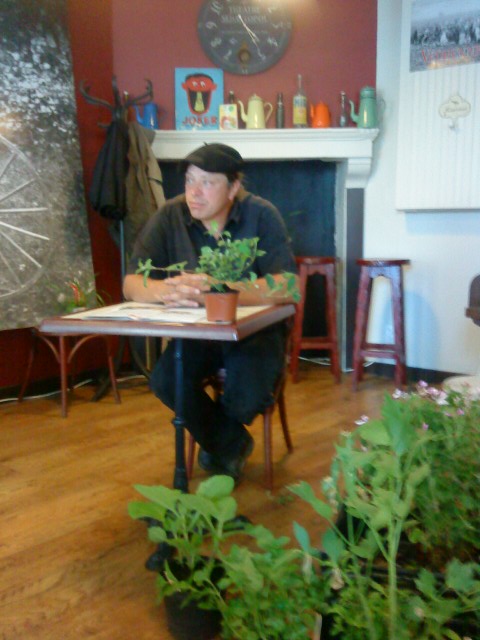 Building his audience’s confidence, he allowed everyone to discover extraordinary plants. Making the audience aware of their unusual scents and shapes, he aroused everyone’s curiosity. The mention of his partnership with INRA, his friendships with Alain Passart and Sylvain Picard, the latter’s gardening collaborator, raised hopes of a new gastronomy.
For this very first edition, the focus was on quality.
Other events will punctuate the summer. On July 23, 28 and 30, a treasure hunt will set the pace in Ste Suzanne. On July 26, a picnic will be held at the château from 7:30 to 9:30 pm. It would be a shame to miss out on such a delightful stroll. For a day, a weekend or even longer, this little detour is a must. Various types of accommodation are available, some of them highly original. Lovers of the region can enjoy living in a dungeon, and project themselves for a moment into other customs and traditions.
For details (contact details of producers, accommodation), contact [email protected]
For upcoming activities, call the château on 02 43 58 13 00.
Interview with two chefs, Pascal Favre d’Anne and Eric Guérin
What interest do you see in taking part in this type of event?
PFA This allows us to combine heritage with local products. It’s possible at any time to showcase a local producer.
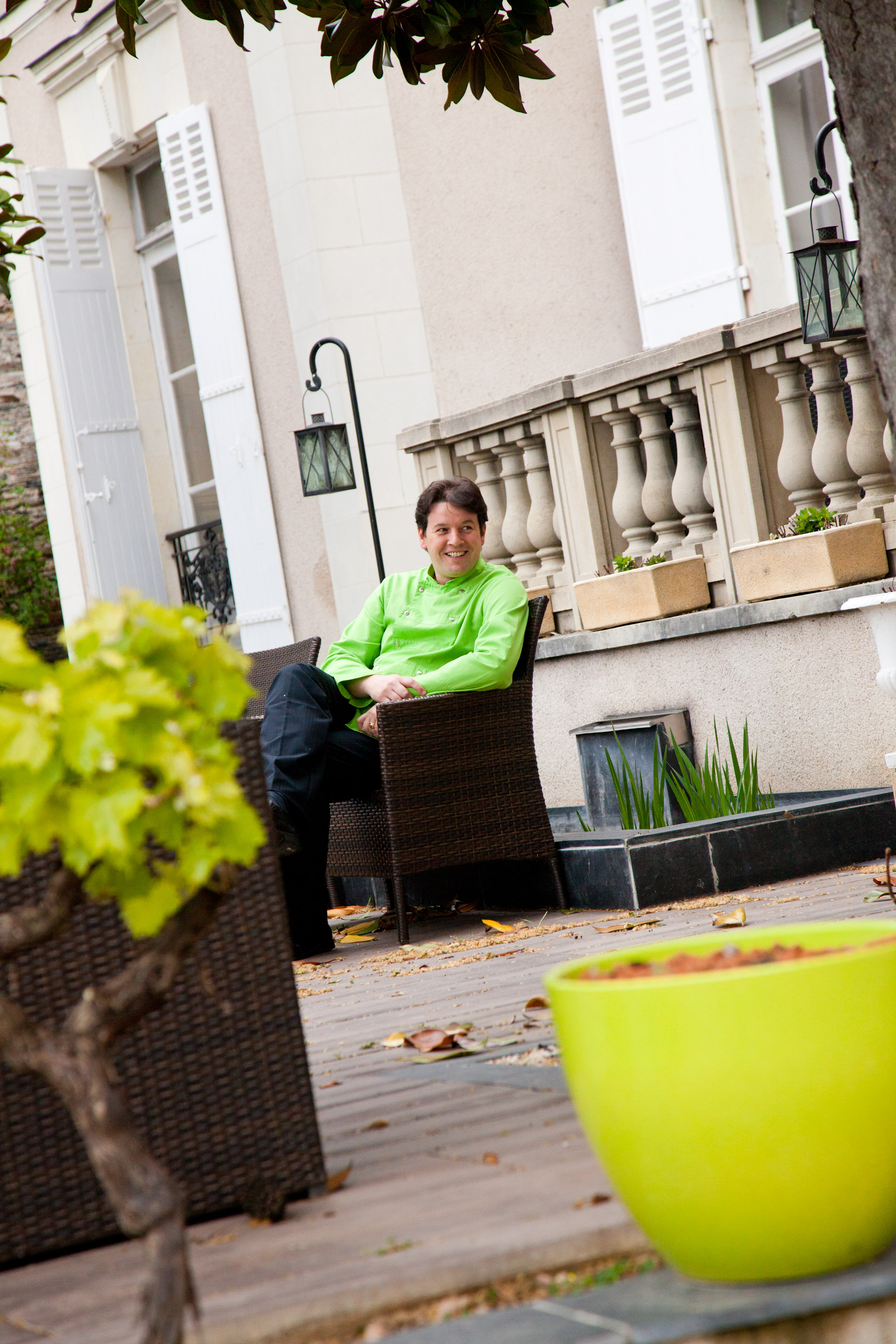
EG This way, I can promote the region and feel part of it. This is important, because I chose to settle here as a chef. I saw this place as really conducive to gastronomy. I like the idea of this event, the meeting of a population with the local gastronomy.
Are you thinking of local products in particular?
PFA There is a wealth of resources in this region. The Loire River provides a source of fish, quality producers can grow vegetables, winegrowers are present, etc., …
EG In this region, you can find a wide variety of products (cheeses, farm beef from Maine, etc.). Globalization exists, it can’t be denied, but personally I like to work locally. We’re forging links between producers and ourselves. This creates a kind of balance. 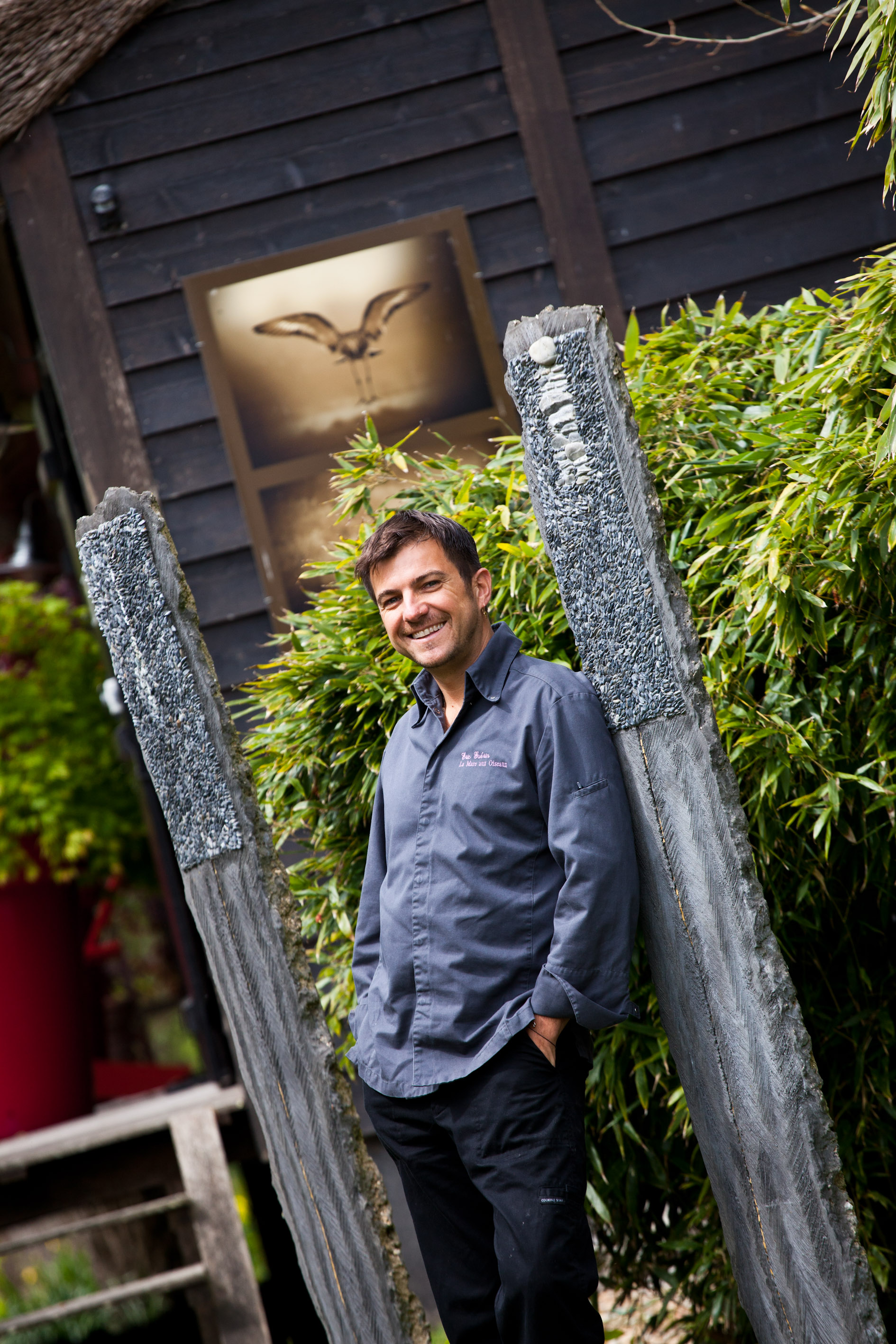 Respectively, we can value our work and help each other. This is where we can create a counterweight to globalization and all the disadvantages it can generate.
Do you have any suggestions for promoting the Mayenne region even more?
PFA The region is focusing more and more on the notion of quality. This notion of terroir and proximity is increasingly perceptible. Other activities should also be highlighted.
EG It would be more efficient if everyone in the region felt involved. Sometimes politicians are less enthusiastic than we are, …
Cette publication est également disponible en :

