

Rodin, flesh and marble
JUNE 8, 2012 – MARCH 3, 2013
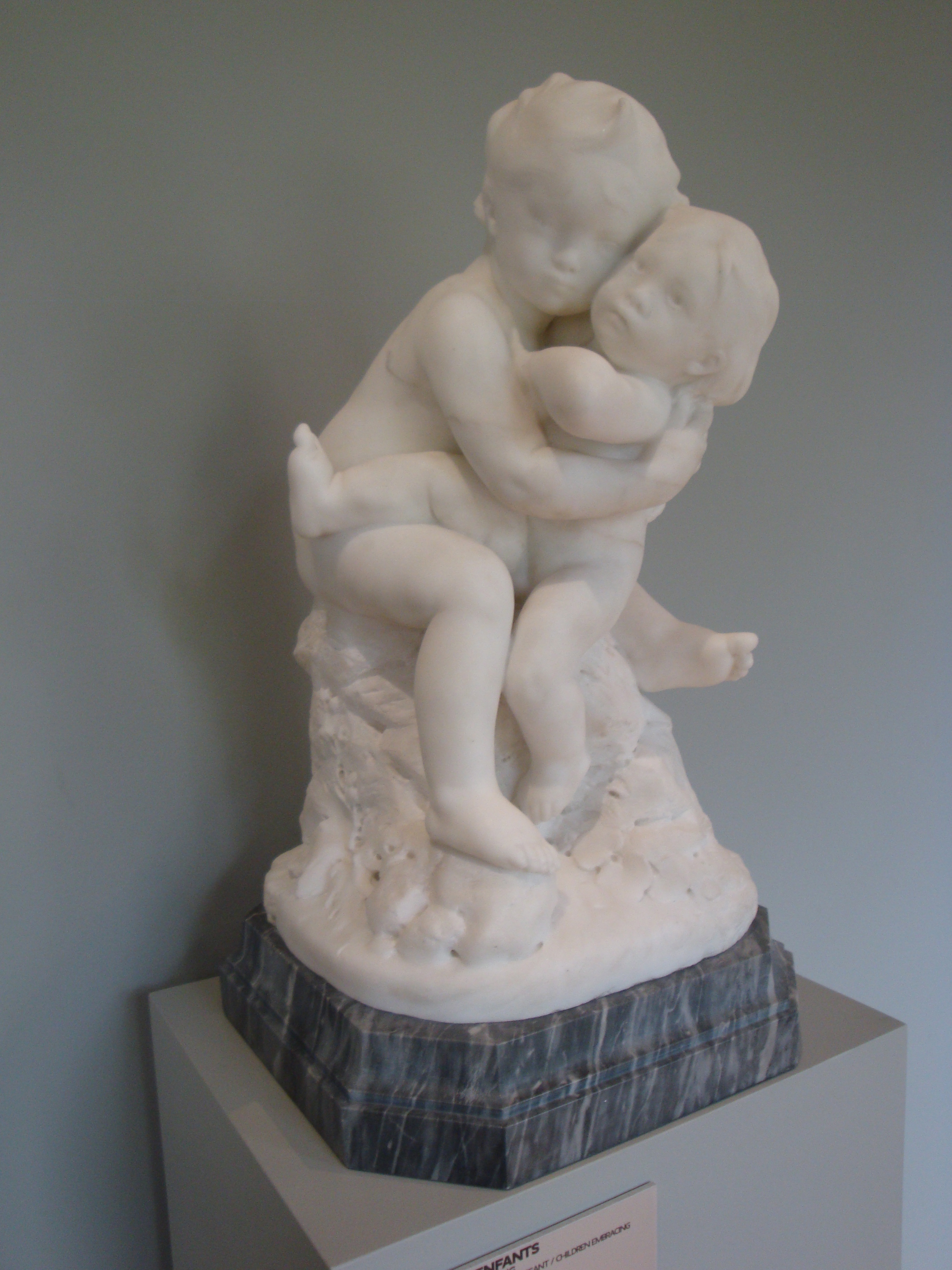
The Rodin Museum is hosting a new exhibition until early March. We discover major works but also an intimate side of Rodin. The exhibition reveals the sculptor’s creative process.
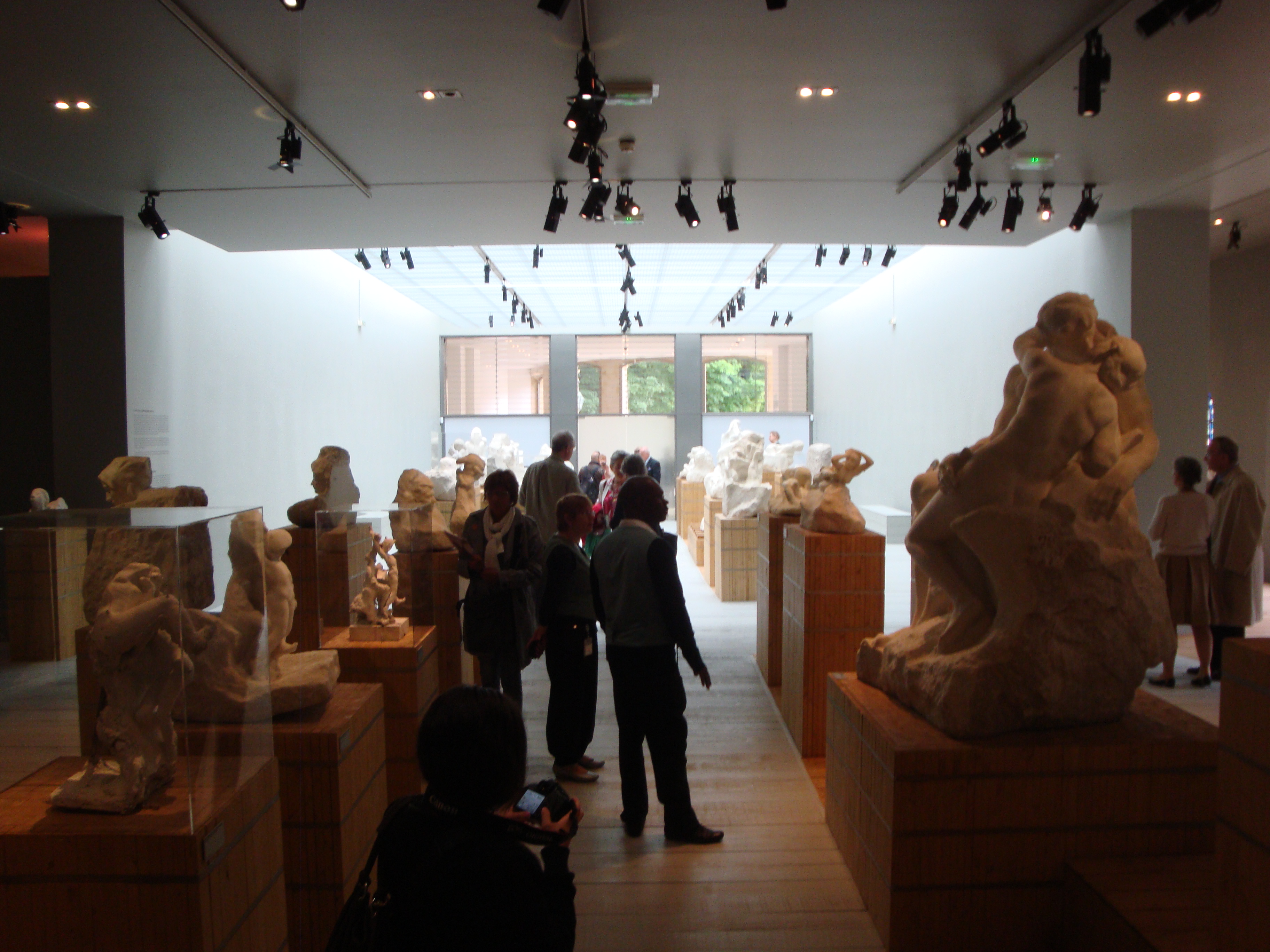
Some fifty marbles and a dozen models in terracotta or plaster will be on display, testifying to the importance of this material and its treatment in Rodin’s work.
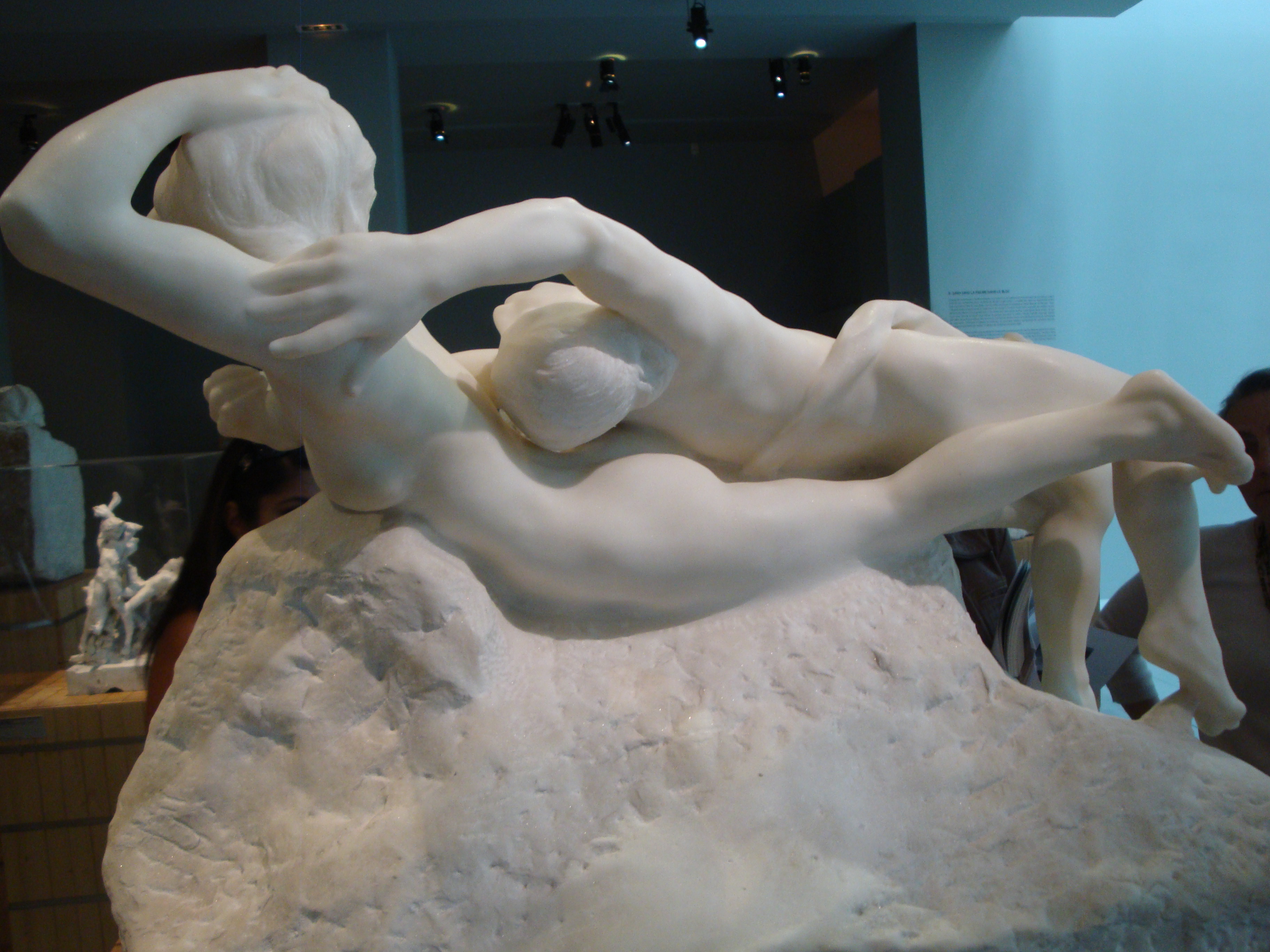
While modern critics have focused on Rodin as a modeler and plasterer, his contemporaries saw him as the master of stone before whom “marble trembles”. Contrary to popular belief, Rodin’s marbles, far from being conventional, according to these same critics, give life and form to the modern soul, “that dislocated psyche, brutal and delicate, fiery and weary, negating and fervent”. Not content with his sense of plastic synthesis, Rodin knew how to animate a classical material destined, a priori, to immobility. Flesh, which sculptors have endeavored to represent since Antiquity, becomes more alive than ever with him.
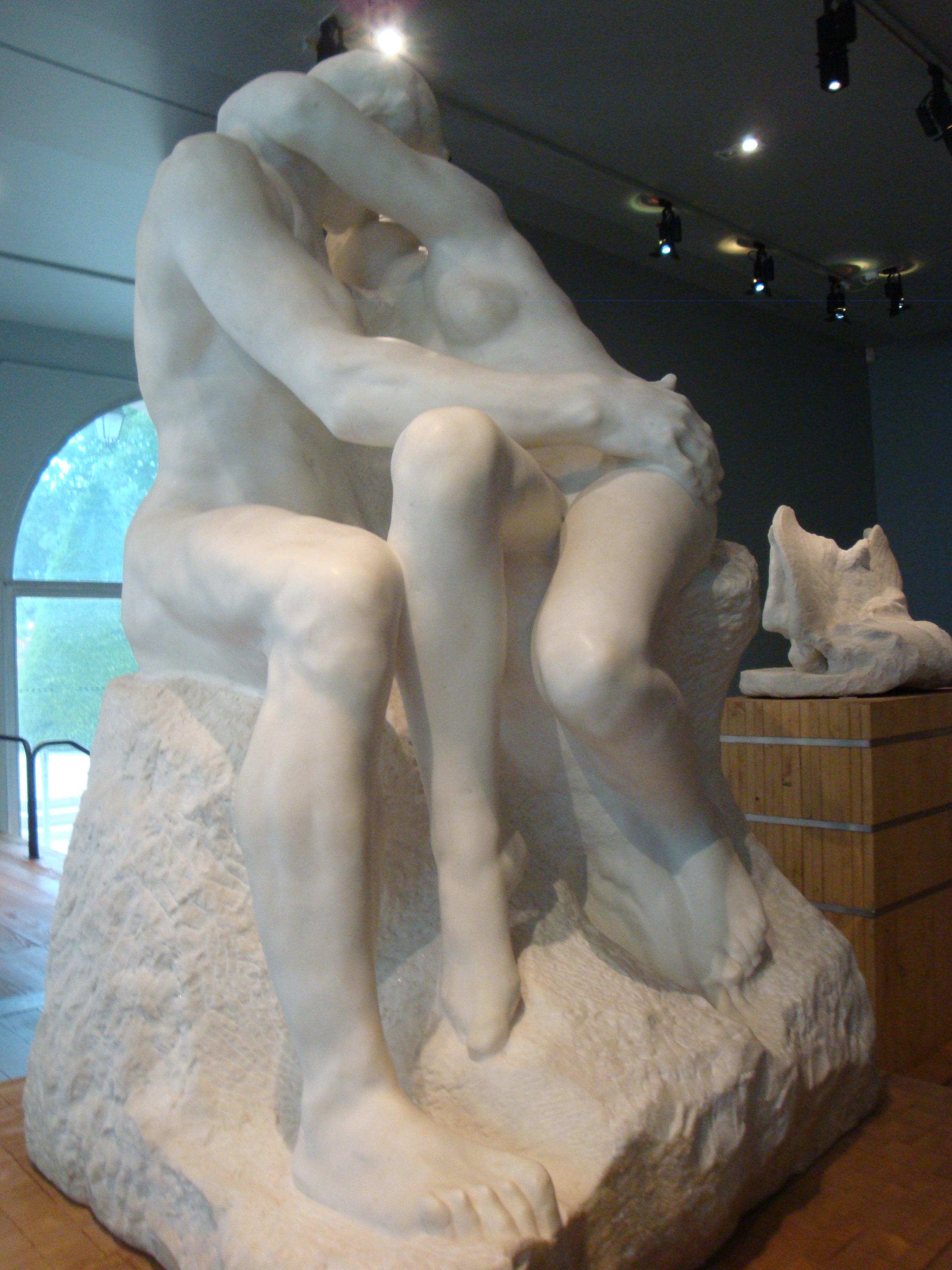
The question of materials in art is not simply a technical or aesthetic matter. There’s a strong symbolic dimension to it: marble, for example, refers to Antiquity, to the myth of Ancient Greece, and to Renaissance Italy through the figure of Michelangelo. Marble is also considered the material closest to flesh: hard and cold, it must acquire suppleness and warmth as it transmutes under the artist’s chisel, thus demonstrating his virtuosity and ability to transform matter. However, like most of his contemporaries, Rodin called on the services of practitioners from the start of his career, yet his marbles are clearly identifiable and his “style”, in particular his use of the non finito, is a trademark imitated by other artists. What’s more, he worked at a time when people were turning away from “practice” and returning to direct carving. Long devalued by critics for historical and aesthetic reasons, the marbles are nonetheless a very important part of Rodin’s art, and it seemed worthwhile to examine their place in the artist’s career on the occasion of this exhibition. Few works have been devoted to Rodin’s marbles, and the exhibition catalog fills an important gap by revealing the marble factory (suppliers, practitioners, etc.) from a hitherto little-studied angle.
Cette publication est également disponible en :

