

THE MEETING OF TWO MASTERS
What do a 17th-century painter and Marithé + François Girbaud have in common? Jeans!
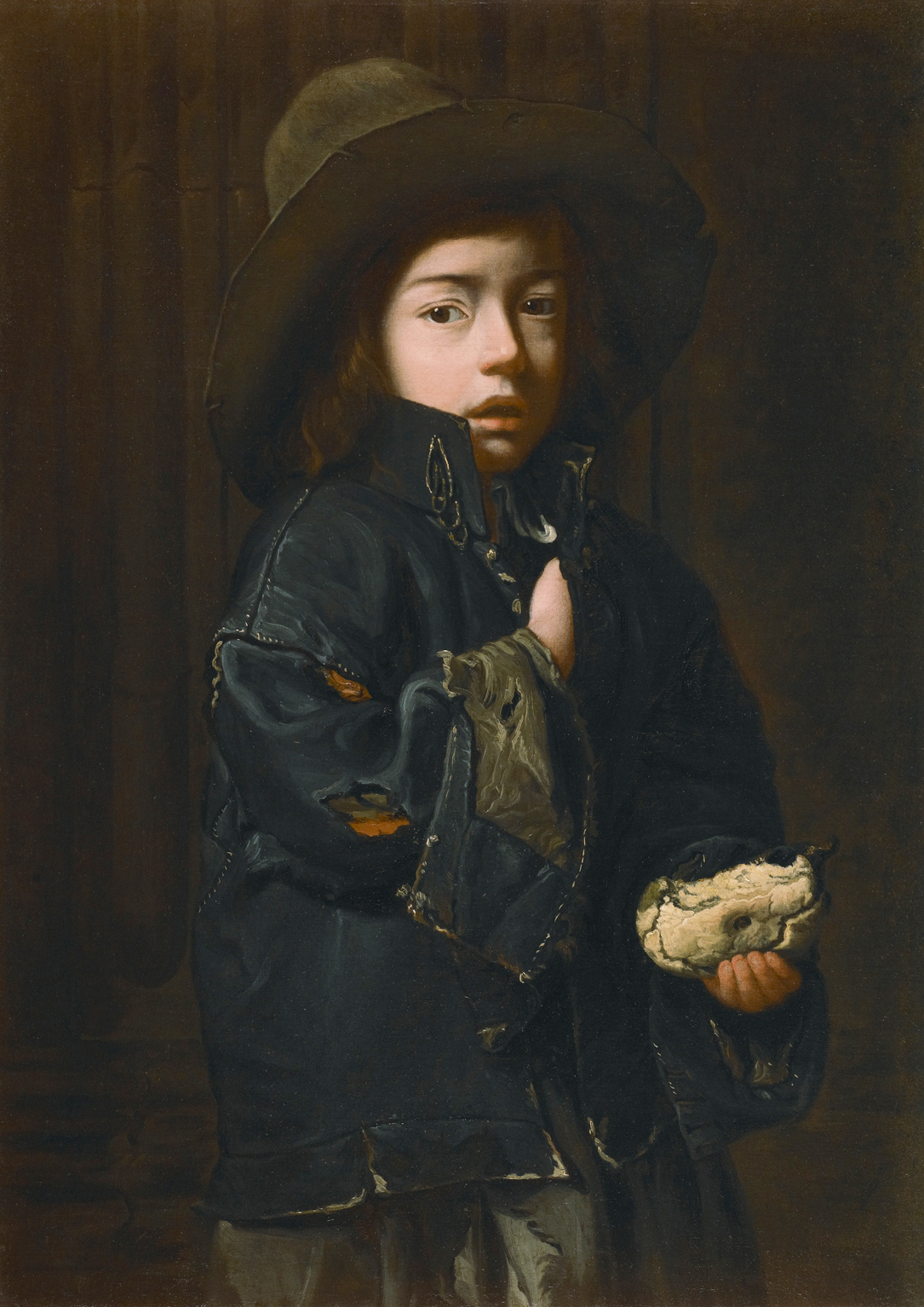
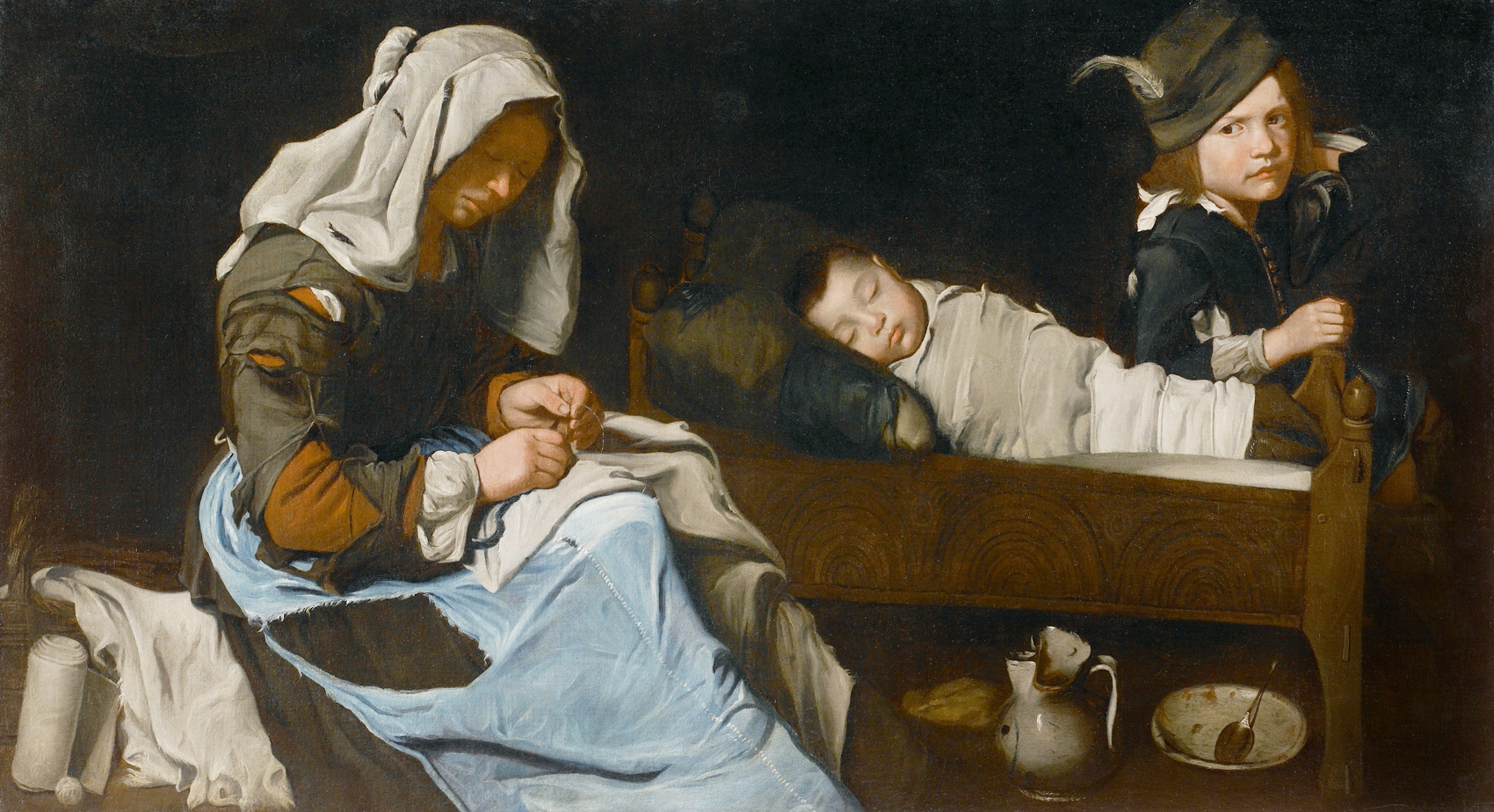
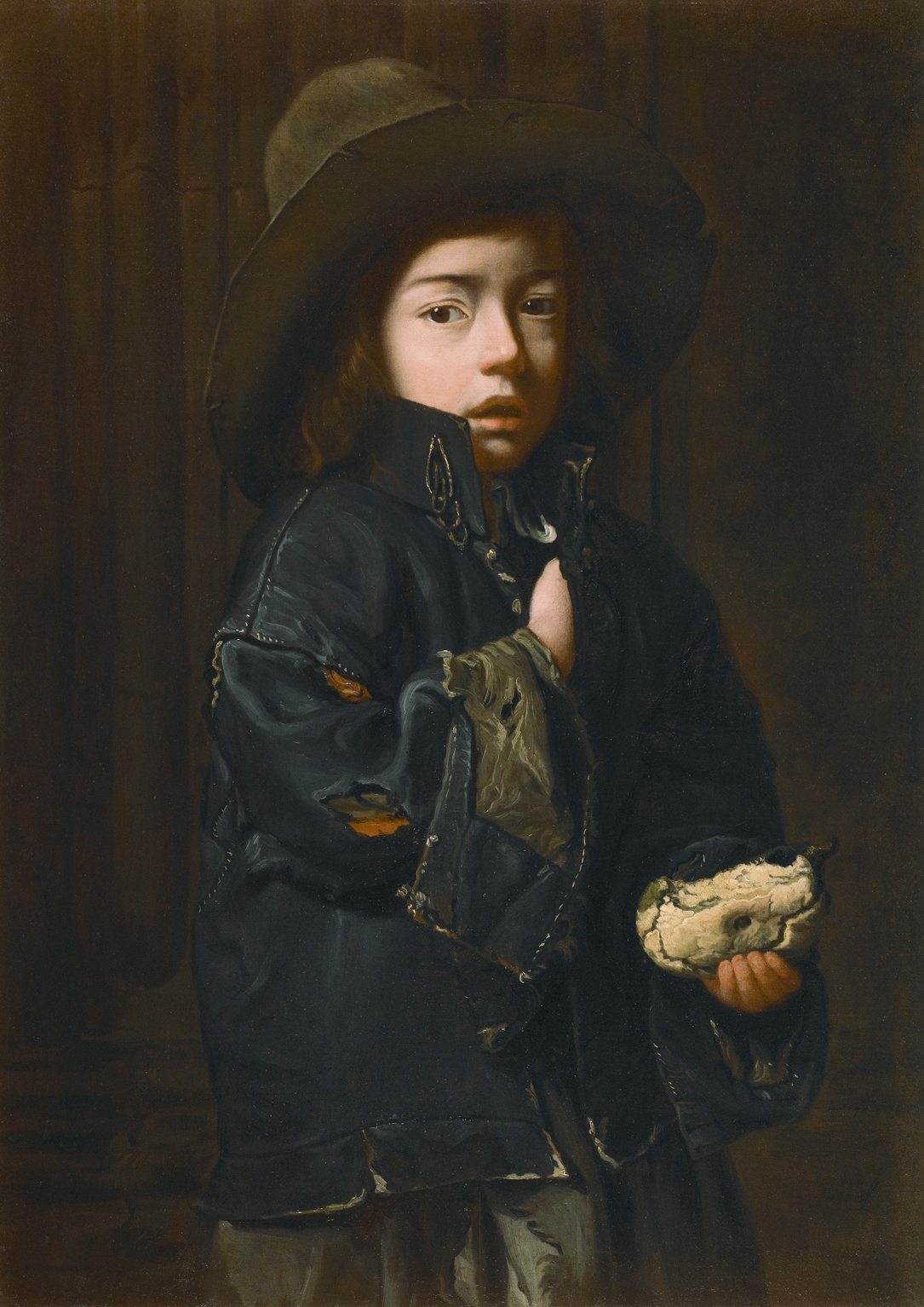
This autumn, from September 16 to November 8, to coincide with the Biennale des Antiquaires, Galerie Canesso is inaugurating an unusual exhibition previewing paintings by the « Maestro della tela jeans ». Under this name, which may seem anachronistic, lies an anonymous 17th-century Italian painter who has just been discovered. Gerlind Gruber, the exhibition’s curator, has given the name an incisive, hard-hitting title. The exhibition will feature 8 paintings in which a blue fabric with a weft of white thread recurs in the typical structure of Genoa futaine, now known as jeans. A discovery that calls into question the history of denim, clearly showing that jeans, a symbol of modern times, were appreciated well before the 19th century.
An artistic testimony to which the designers Marithé + François Girbaud, world-renowned French denim pioneers, could not be insensitive.
AN ÉVIDENTE COLLABORATION
When Maurizio Canesso, founder of the gallery, discovered the canvases of this Italian painter, he immediately wanted to link ancient painting with a contemporary creator. Collaborating with Marithé + François Girbaud, who have always been at the forefront of this field, was an obvious choice. For the past 40 years, Marithé + François Girbaud have been leaders of various movements whose influence and imprint on the textile market is unquestionable. Winners of numerous awards (Fil d’Or, Bobine d’Or, Clefs de villes…), they are notably credited with the invention of Stonewash, the contribution of sportswear, the worldwide launch of stretch, the « Metamorphojean » concept, the birth of « Spqrcity »… Marithé + François Girbaud stand out for their boundless creativity, combined with cutting-edge technology. In 2010, they are creating a stir by presenting for this exhibition a new technical process that uses lasers to work jeans in a cutting-edge, environmentally-friendly way: WattWashtm.
ART AND FASHION LINKED BY MATERIAL
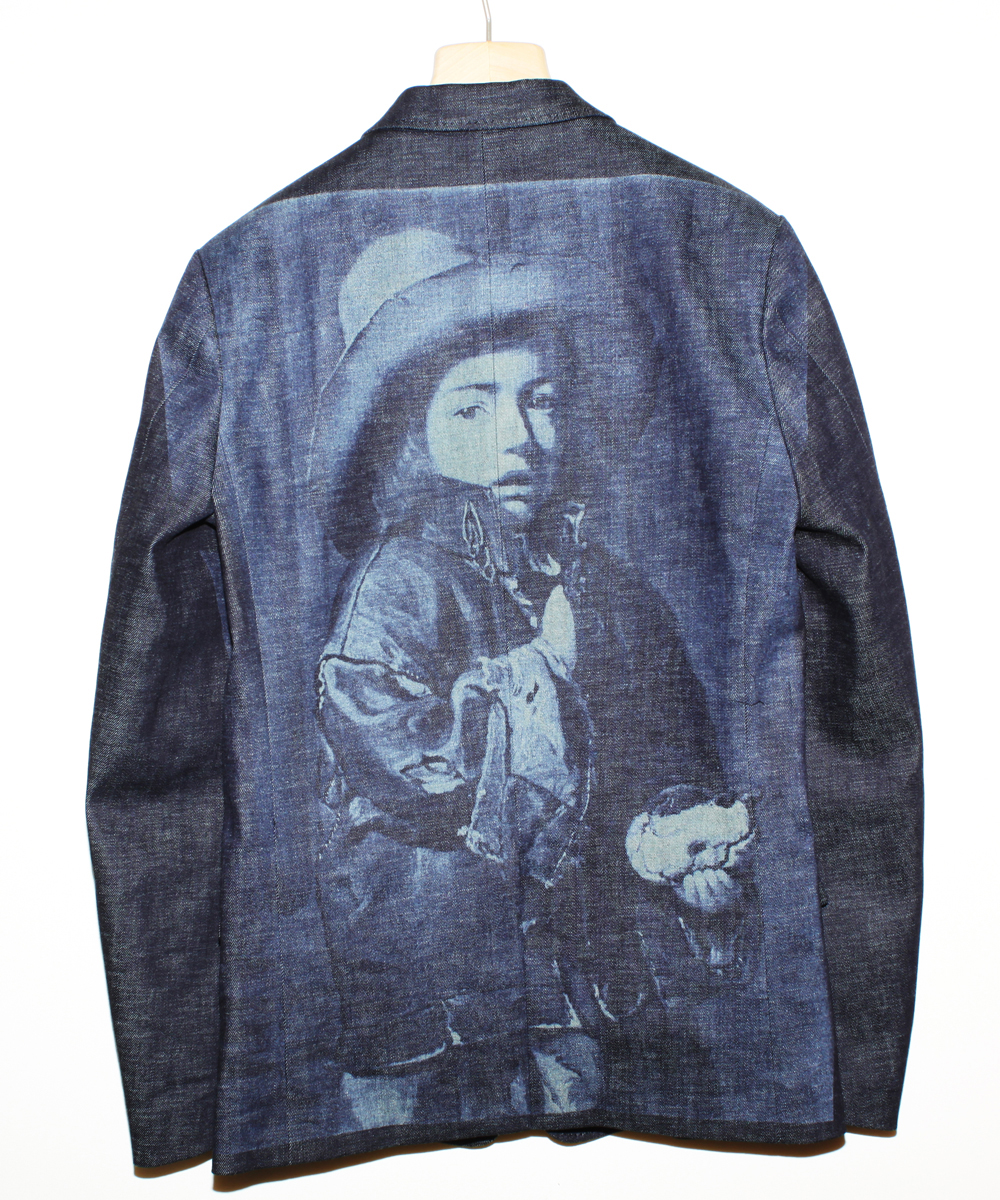
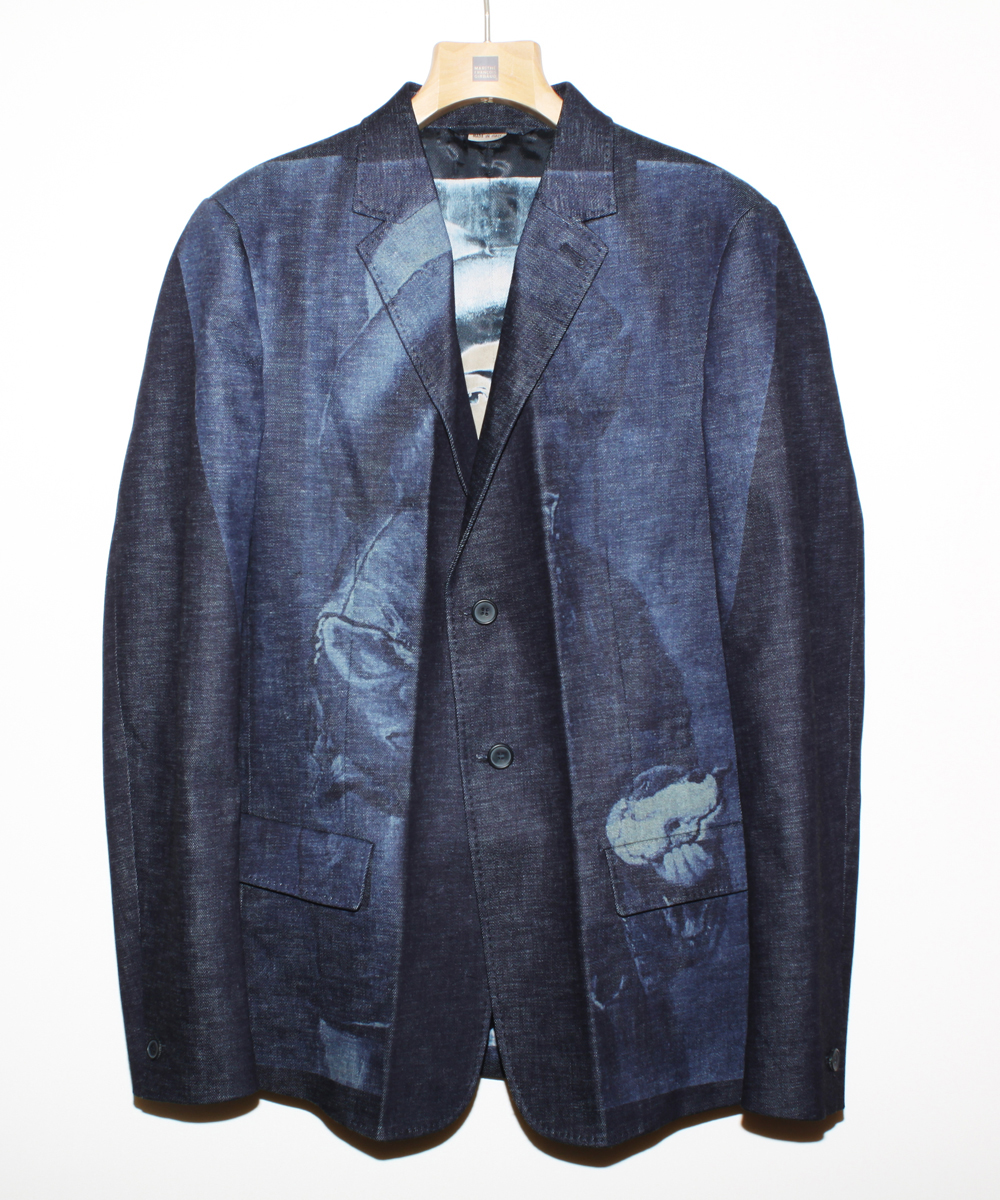
The idea of laser-engraving a 17th-century canvas into 21st-century denim came to François Girbaud. Denim has entered the works of this Italian painter, and today, thanks to WattWashtm technology, the work is engraved in the denim canvas. « Four centuries separate us, but today we are linked by the material, » confides François Girbaud. The material is in the canvas, the canvas is in the material.
WATTWASHtm REVOLUTIONIZES JEAN
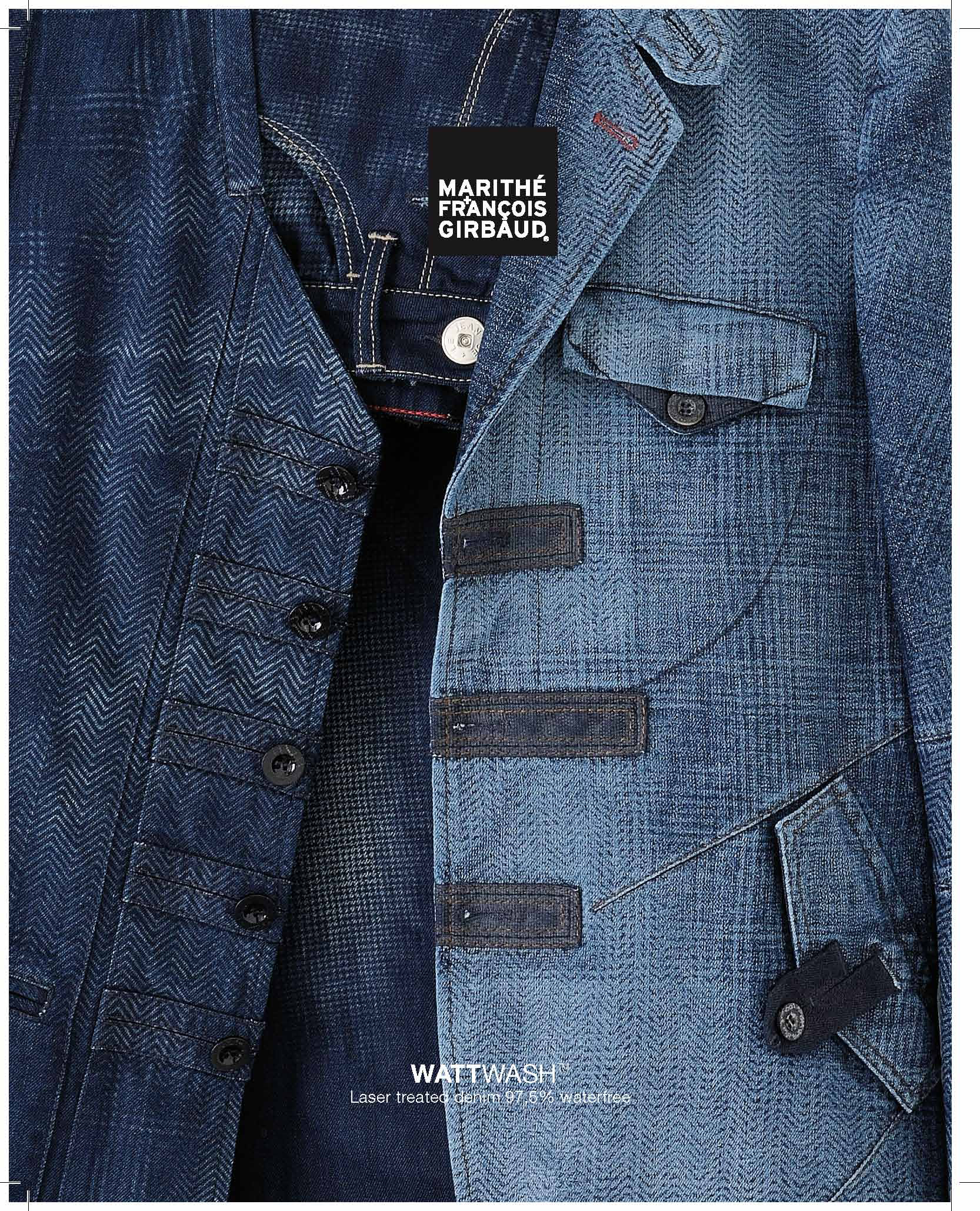
This new technology, at the heart of the development of denim work at Marithé + François Girbaud, responds to the concerns of our time, to the awareness of the disproportionate consumption of water by the denim industry. It’s a real revolution, since it saves 97.5% water: 5 liters of water are used with this treatment, whereas it takes 30 times more to treat a basic pair of jeans.
How does it work? The energy of light etches the material, washing it out and offering a myriad of effects, including the reproduction of various classic weaves such as herringbone, houndstooth or Prince of Wales… Playing with the technical constraints of weaving, Marithé et François Girbaud are renewing the traditional image of the men’s suit. By switching from Stonewash to WattWashTM, Marithé et François Girbaud have gone from stone to light with this revolutionary process that overturns the transformations of denim.
THE SACRE OF A BLUE INDIGO CLOTH
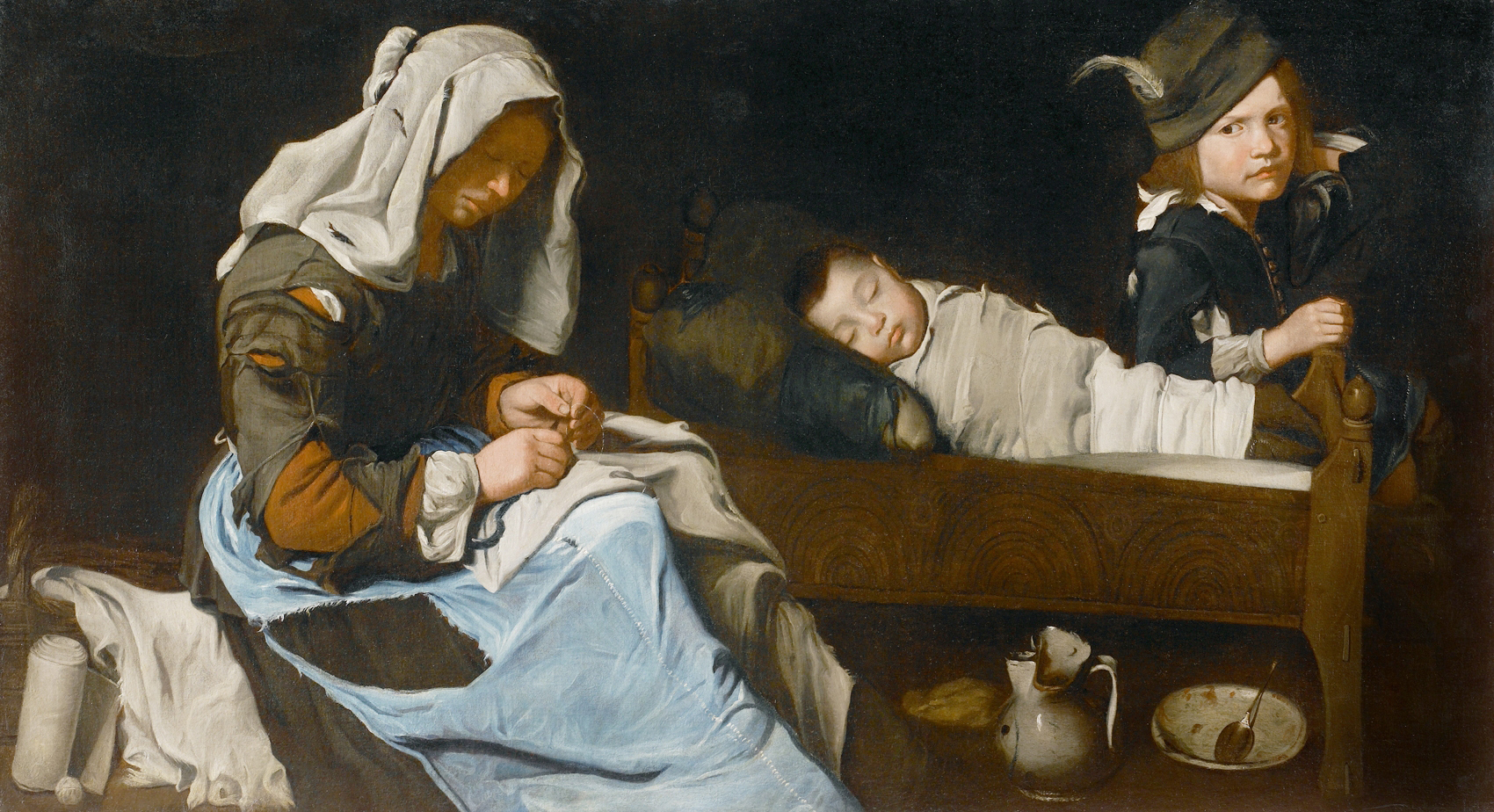
In the group of paintings by the »Maestro della tela jeans », the blue cloth worn by various characters in scenes of popular life, such as the torn apron of a Mother sewing with two children, or the jacket of a Little Beggar, appears recurrently. The aim of this exhibition is to understand the context in which the highly original art of this newly-discovered painter developed. His paintings already evoke the names of Velazquez, La Tour, the Le Nain brothers and Sweerts, while the solemnity and dignity of the human being distinguish this artist from his predecessors.
GALERIE CANESSO
Founded in Paris in 1994 by Maurizio Canesso, who has been active in the field of early Italian painting since 1980. Its activity is focused exclusively on paintings executed between the 15th and 18th centuries by Italian or foreign artists who lived in Italy. Galerie Canesso organizes in-house exhibitions accompanied by self-published catalogs, and participates in two prestigious fairs: Tefaf in Maastricht and the Biennale des Antiquaires in Paris.
HISTORY OF THE DISCOVERY OF THE « MAÎTRE DE LA TOILE DE JEANS »
In 2006, Gerlinde Gruber, curator at Vienna’s Kunsthistorisches Museum and in charge of the exhibition at Galerie Canesso (September 16-October 6, 2010), proposed a convenient, apparently anachronistic yet incisive name for this anonymous artist: « Maestro della tela Jeans ». In the group of paintings attributed to him, there is a recurring depiction of a blue fabric (more or less blue) whose weft, composed of white threads, shows the typical structure of Genoa cloth (in 17th-century English: Geanes). In 2010, the Canesso Gallery commissioned an analysis of the blue pigments in the paintings, which turned out to be indigo, a pigment in common use in the 17th century and, incidentally, a plant-based pigment also used to dye cottons of the period – in particular, the denim we’re more directly interested in here. This technical analysis and the stylistic characteristics of these compositions, studied and published by Gerlinde Gruber, fully support a dating to the late 17th century.
The painter made his first appearance as such in 1998, on the occasion of the exhibition « da Caravaggio a Ceruti. La scena di genere e l’immagine dei pitocchi nella pittura italiana » (Brescia, Museo di Santa Giulia, November 28 – February 28, 1999, p. 219, no. 90, as an anonymous painter, active in Lombardy in the 2nd half of the 17th century). Around the painting in the Ghent Museum of Fine Arts,
« The Frugal Meal », purchased in 1905 by the Society of Friends of the Ghent Museum (like Velasquez), other paintings by this same hand have gradually been grouped together, of which there are now 10 (8 will be exhibited at the Canesso Gallery, the one in the Ghent Museum cannot leave the museum, and it has unfortunately not been possible to locate the last one, known from a b/w photograph taken in the 1950s; the painting was then in a private collection in Novara).
This artist now has his place in the great European movement of 17th-century reality painting, alongside better-known names such as Diego Velasquez, Les Le nain, Georges de La Tour, Pietro Bellotti and, later in the 18th century, Giacomo Ceruti.
PRACTICAL INFO:
« Il maestro della tela Jeans », from September 16 to November 6.
Galerie Canesso, 26, rue Lafitte – 75009 Paris. Open Monday to Friday, 10 a.m. to 6 p.m. or by appointment.
Access: Metro: Richelieu-Drouot – lines 8 and 9 / Parking: Chauchat Drouot, 12, rue de Chauchat – 75009 Paris.